Pouch Packaging vs Boxes vs Jars: Pros & Cons
-

- Published Updated
- 9,024 views
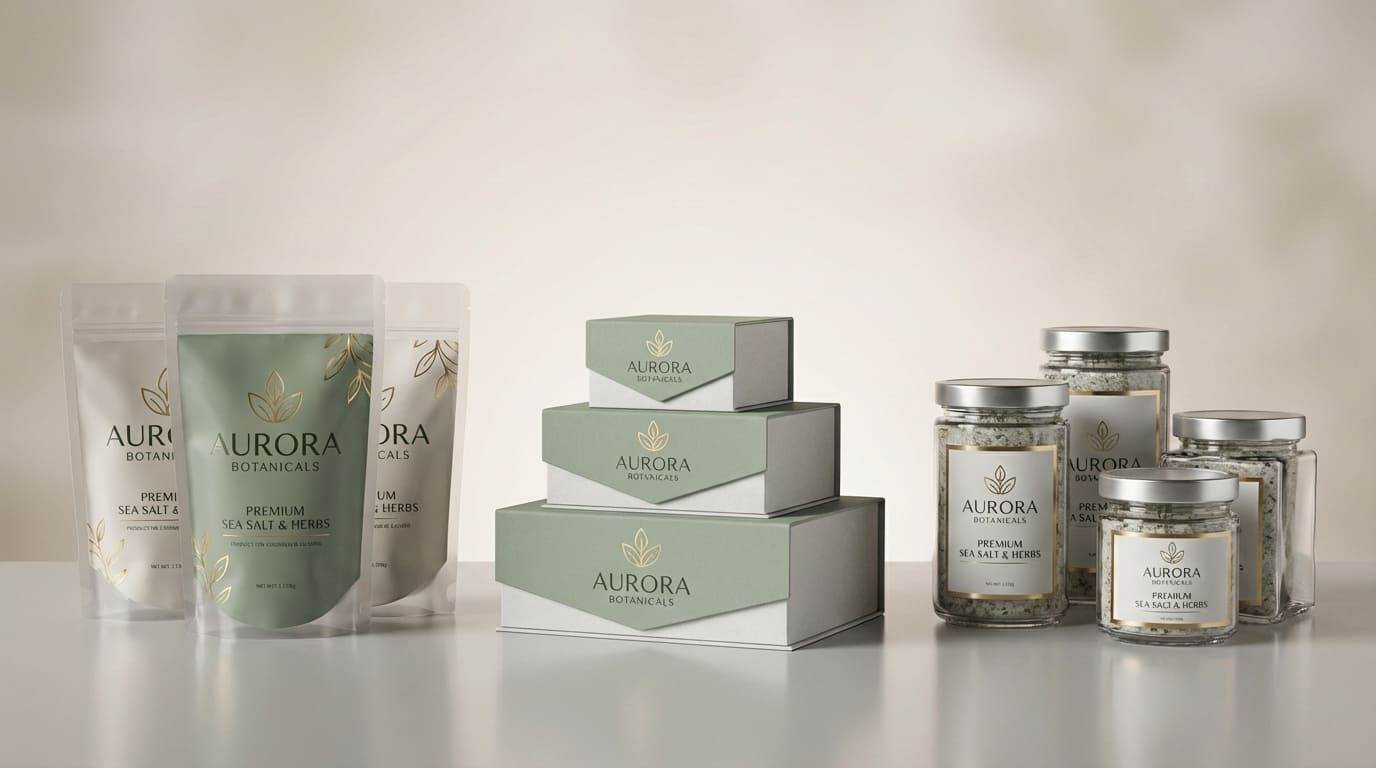
Choosing the right packaging is more than just a design decision—it directly impacts product safety, shelf life, shipping costs, branding, and customer experience. Whether you're in food, cosmetics, pharmaceuticals, or retail, understanding the differences between pouch packaging, boxes, and jars can help you make a smarter, more cost-effective choice.
In this guide, we’ll break down the pros and cons of each packaging type so you can determine which one best fits your product and business goals.
What Is Pouch Packaging?
Pouch packaging refers to flexible packaging made from materials like plastic films, aluminum foil, or laminates. These pouches are lightweight, customizable, and often used for products like snacks, liquids, powders, and pet food.
Pros of Pouch Packaging
- Lightweight & Cost-Effective: Lower shipping and storage costs compared to rigid packaging.
- Space Efficient: Takes up less shelf and warehouse space.
- Excellent Barrier Protection: Protects against moisture, oxygen, and light.
- Customizable Design: High-quality printing enhances branding.
- Convenience Features: Resealable zippers, spouts, and tear notches improve usability.
Cons of Pouch Packaging
- Structural Strength: Not ideal for heavy or fragile items.
- Recycling Challenges: Multi-layer materials can be harder to recycle.
- Perceived Value: Sometimes seen as less premium compared to rigid packaging.
What Are Boxes?
Boxes are typically made from cardboard or corrugated materials and are widely used in eCommerce, retail packaging, and shipping.
Pros of Boxes
- Strong & Protective: Great for fragile and bulky products.
- Easy to Stack & Store: Ideal for logistics and transportation.
- Eco-Friendly Options: Often recyclable and biodegradable.
- Custom Branding: Easy to print, emboss, and design for a premium look.
Cons of Boxes
- Higher Shipping Costs: Bulkier and heavier than pouches.
- More Storage Space Required: Takes up more room in warehouses.
- Limited Barrier Protection: Not suitable for products needing airtight or moisture protection unless combined with inner packaging.
What Are Jars?
Jars are rigid containers usually made of glass or plastic, commonly used for food, cosmetics, and pharmaceuticals.
Pros of Jars
- Premium Appearance: Enhances perceived product value.
- Reusable & Recyclable: Especially glass jars, which are eco-friendly.
- Excellent Product Visibility: Transparent jars showcase the product.
- Strong Protection: Ideal for liquids, creams, and fragile contents.
Cons of Jars
- Heavy & Expensive to Ship: Increases logistics costs.
- Breakability (Glass): Risk of damage during transit.
- Storage Inefficiency: Takes up more space compared to flexible packaging.
- Higher Production Costs: More expensive than pouches and some box options.
Pouch Packaging vs Boxes vs Jars: Key Comparisons
Compare pouches, boxes, and jars to find the best packaging for your product.
1. Cost Efficiency
- Best: Pouch Packaging
- Moderate: Boxes
- Highest Cost: Jars
Pouches win due to lower material usage and reduced shipping weight.
2. Product Protection
- Best: Jars (for liquids & fragile goods)
- Good: Boxes (for external protection)
- Very Good: Pouches (for barrier protection)
Each option excels in different areas depending on product type.
3. Sustainability
- Best: Boxes (recyclable, biodegradable)
- Good: Glass Jars (reusable, recyclable)
- Challenging: Pouches (multi-layer recycling issues, but improving with eco-friendly materials)
4. Branding & Shelf Appeal
- Best: Pouches (vibrant printing & modern look)
- Premium Feel: Jars
- Classic Branding: Boxes
5. Convenience & User Experience
- Best: Pouches (resealable, portable)
- Good: Jars (easy access, reusable)
- Moderate: Boxes (depends on design)
When Should You Use Each?
Choose the right packaging based on product type, volume, and storage needs.
Choose Pouch Packaging If:
- You want cost-effective, lightweight packaging
- Your product requires strong barrier protection
- You need flexible, space-saving solutions
Choose Boxes If:
- You’re shipping fragile or bulky products
- Sustainability is a priority
- You need structured packaging for retail display
Choose Jars If:
- You want a premium or luxury feel
- Your product is liquid, cream-based, or fragile
- Product visibility is important
Conclusion
There is no one-size-fits-all packaging solution. Pouch packaging stands out for cost efficiency and convenience, boxes excel in protection and sustainability, while jars offer premium appeal and durability.
The right choice depends on your product type, budget, brand positioning, and logistics requirements. By understanding the strengths and limitations of each option, you can select packaging that not only protects your product but also enhances your brand and customer experience.
Choose Smarter Packaging Today
Ready to upgrade your packaging strategy? Explore innovative, cost-effective solutions that protect your product, boost your brand, and reduce costs—start with the right packaging choice today.
FAQs
Q1: Which packaging is best for food products?
Flexible pouches are ideal for snacks and powders, jars for sauces or creams, and boxes for dry or fragile foods requiring extra protection.
Q2: Are pouches recyclable?
Multi-layer pouches can be harder to recycle, but many brands now use eco-friendly recyclable materials.
Q3: Do jars increase shipping costs?
Yes, especially glass jars, due to weight and breakage risks.
Q4: Can boxes be used for liquids?
Boxes alone aren’t suitable for liquids; inner pouches or bottles are required for leak protection.
Q5: Which packaging looks most premium?
Jars give a luxurious feel, pouches can look modern and attractive with high-quality printing, and boxes can feel classic or high-end depending on design.