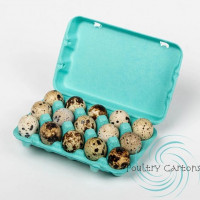
Poultry Cartons: Flexible, Sustainable Packaging for Meat and Eggs
-
- February 23rd, 2026
- 1,131 views

👉 Best IPTV Services 2026 – 10,000+ Channels, 4K Quality – Start Free Trial Now
Poultry cartons are a common packaging type for meat, eggs, and poultry products; they combine material flexibility with food-safety requirements and evolving sustainability features. This article explains materials, environmental attributes, regulatory considerations, and practical disposal guidance to help retailers, packers, and consumers understand the lifecycle and uses of poultry cartons.
- Poultry cartons are made from paperboard, molded pulp, or fiber-based composites tailored for food contact and transport.
- Designs balance protection, moisture resistance, and stackability while considering recyclability and compostability.
- End-of-life options include recycling, industrial composting, or energy recovery depending on material and contamination.
- Regulations for food contact and labeling involve agencies such as the USDA and, for packaging materials, the FDA; environmental guidance is informed by organizations including the EPA.
Poultry cartons: materials, design, and common uses
Materials and construction
Many poultry cartons are produced from paper-based materials such as paperboard or molded pulp created from cellulose fibers. Paperboard cartons can be single- or multi-ply and are often coated or laminated with moisture barriers to resist grease and liquid. Molded pulp cartons are formed from recycled paper fibers and can be engineered for cushioning and breathability. Some cartons incorporate minimal plastic components, barrier coatings, or grease-resistant treatments to meet shelf-life and handling requirements.
Design features for safety and handling
Carton design focuses on protecting product integrity during transport and display. Typical features include secure closures, stackable shapes, venting for whole poultry or eggs, and flat surfaces for labeling. Structural strength, puncture resistance, and moisture management are important for preventing contamination and spoilage. Material choices and construction also affect weight, cost, and compatibility with automated packing lines.
Environmental attributes and end-of-life options
Recyclability and compostability
Paper-based poultry cartons can be recyclable when clean and free of food residue, inks, or non-paper coatings. Locally accepted recycling streams vary; contamination from blood or grease can render a carton non-recyclable. Certified compostable cartons designed for industrial composting use compostable coatings and adhesives; these require appropriate facilities to break down properly. When assessing end-of-life options, review local municipal guidelines and separation requirements.
Lifecycle and sustainability considerations
Life cycle assessment (LCA) studies compare impacts such as greenhouse gas emissions, water use, and energy consumption across different packaging options. Fiber-based cartons often score well on renewability and recyclability but may require coatings that complicate recycling. Reductions in material weight, use of recycled content, and improved collection systems can reduce overall environmental footprint. Industry standards and certifications, along with guidance from environmental agencies, support transparency in sustainability claims.
Regulatory and food-safety considerations
Food-contact materials and labeling
Materials intended for direct contact with meat and poultry are subject to regulatory oversight. In the United States, the Food and Drug Administration (FDA) sets requirements for food-contact substances, while the United States Department of Agriculture (USDA) Food Safety and Inspection Service (FSIS) regulates labeling and handling of meat and poultry products. Compliance with sanitary packaging practices and appropriate labeling for storage instructions and safe handling is necessary to protect consumers.
Standards, testing, and certification
Testing for barrier performance, migration of substances, and mechanical durability follows recognized protocols such as ASTM and ISO standards. Third-party certifications for compostability or recycled content can help clarify environmental attributes, but verification through standardized testing and chain-of-custody documentation contributes to trustworthiness of claims.
Practical guidance: choosing and disposing of poultry cartons
Retail and supply-chain best practices
Retailers and packers should select carton types that match product shelf-life, shipping conditions, and equipment compatibility. Choosing cartons with higher recycled content, minimal coatings, and a clear end-of-life pathway supports circularity. Collaboration with waste management partners and participation in extended producer responsibility programs can improve collection and recycling outcomes.
Consumer disposal tips
Consumers should follow local recycling and composting rules. When possible, remove excess food residue and separate any non-paper components (such as plastic windows) before placing cartons in a recycling bin. Soiled cartons contaminated with blood or heavy grease are often better suited for composting (if certified and accepted) or general waste where recycling is not available. Local solid waste authorities and recycling programs can provide specific instructions.
Resources and authoritative guidance
Environmental guidance on recycling rates, material recovery, and municipal programs is available from official agencies. For general recycling information and local program guidance, refer to the Environmental Protection Agency's recycling resources: EPA recycling. Regulatory information on meat and poultry labeling and inspection is available from the USDA Food Safety and Inspection Service, while food-contact material requirements can be reviewed through the FDA.
Frequently asked questions
Are poultry cartons recyclable?
Many poultry cartons made from uncoated paperboard or lightly coated paper are recyclable if clean and free of significant food contamination; local recycling rules determine acceptance. Cartons with plastic windows, heavy grease, or non-paper laminates may not be accepted.
What materials are commonly used in poultry cartons?
Common materials include paperboard, molded pulp made from recycled fibers, and occasionally thin plastic films or coatings for moisture resistance. Choices depend on required barrier properties, cost, and end-of-life considerations.
Can poultry cartons be composted at home?
Only cartons certified for home composting should be added to a home compost system; most certified compostable packaging is intended for industrial composting facilities. Check product labeling and local composting facility guidelines before composting.
How do regulations affect poultry cartons?
Packaging for meat and poultry must meet food-contact safety standards and labeling requirements. Agencies involved include the USDA FSIS for meat and poultry inspection and the FDA for many food-contact materials; industry standards such as ASTM and ISO guide testing and performance assessment.
What factors improve the environmental performance of poultry cartons?
Using recycled content, minimizing coatings that impede recycling, designing for lightweighting, and ensuring compatibility with local recycling or composting systems improve environmental performance. Collection infrastructure and consumer sorting behavior also significantly influence outcomes.