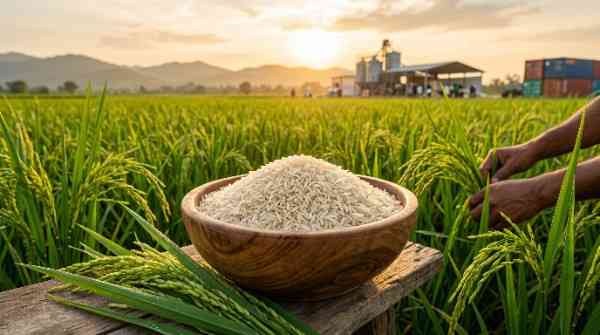
Bajra Farming in India: From Sowing to Harvesting
-

- Published Updated
- 8,281 views
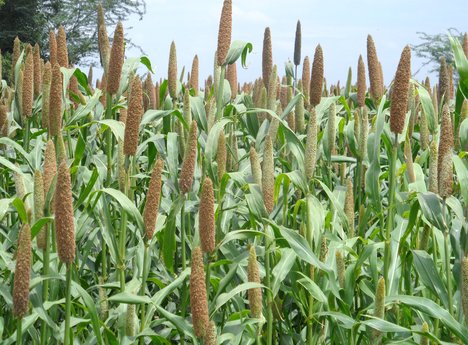
Bajra is one of the most important crops grown in India; it is also known as pearl millet. Also, bajra is widely grown in Rajasthan, Haryana, Gujarat, and Uttar Pradesh. The reason for the popularity of the crop is that it can be easily grown in dry and low-rainfall areas. Bajra farming is not only economical but also sustainable, making it a convenient choice for Indian agriculture.
The demand for nutritious grains is increasing in the market; thus, the bajra cultivation is boosting among farmers. Also, to achieve a good yield of bajra, farmers are adopting advanced machinery. A tractor is one of the most efficient and primary machinery that is used in agriculture. It alone takes the responsibility of several tasks, such as plowing, planting, harvesting, etc. For Bajra cultivation, medium-range tractors are suitable, such as Sonalika 745, John Deere, etc.
Step-by-Step Procedure of Bajra Farming
This blog contains the complete procedure of Bajra farming. Also, it explains the steps and tasks included from sowing to harvesting.
Importance of Climate & Soil
Bajra is known for its high tolerance to heat and drought-like conditions. Thus, pearl millet is considered ideal for semi-arid regions. It grows in temperatures that lie between 25 degrees Celsius and 35 degrees Celsius. Also, the crop can tolerate low rainfall conditions. Most of the cultivation is done during the Kharif season.
Ideal Soil for Bajra Farming
Sandy loam or light soils
Well-drained fields (avoid waterlogging)
Soil pH between 6.5 and 7.5
Preparation of Land
Land preparation is always necessary for the cultivation of any crop. Before sowing the Bajra seeds, the farmer is required to deep plough the soil and break the clods. Then, they need to harrow the land twice or thrice. Also, the levelling of the seed improves the quality of the soil to hold water for longer.
A well-prepared land always ensures the best germination and root development. Modern tractors help farmers perform land preparation efficiently and save time. A properly prepared seedbed allows the crop to establish strong roots and improves overall yield.
Sowing of Bajra Seeds
The best time for sowing Bajra on the land is at the beginning of the monsoon. The crop is sown during the monsoon for proper germination, but it survives later dry conditions due to its drought tolerance. In central India, the best months to sow pear millet are between June and July.
At the time of sowing the seeds, farmers need to maintain the appropriate space between rows and seeds. Check out the sowing method for bajra:
Row spacing: 30–40 cm
Seed rate: 10–12 kg per hectare
Depth: 2.5–3 cm
The seeds can be sown by both methods, either it can be by using seed drills or traditional methods. The benefit of proper spacing is giving better plant growth and reducing competition for nutrients.
Irrigation and Water Management of Bajra
One of the biggest advantages of bajra farming is its low water requirement. In most cases, rainfall is sufficient for crop growth. However, irrigation can be required during the long dry spells, at the growing stage of flowering, and when needed. Farmers should ensure that the over irrigation should be avoided, because it will lead to poor crop performance.
Supply of Nutrients
Balanced fertilisation is important for achieving a good yield in bajra farming. There are some recommended pesticides for Bajra, such as manure, phosphorus, and nitrogen.
Check out the nutrients required at different stages of Bajra cultivation:
Put organic manure at the time of land preparation.
Use nitrogen, phosphorus, and potassium fertilizers in balanced quantities at the time of sowing the seeds.
Split application of nitrogen at the time of initiation of the flower head to boost the formation of tillers.
Control of Weed, Pest, and Disease
Weed control is important during the early stages of crop growth. Weeds compete for nutrients, water, and sunlight. The methods of controlling weeds are manual weeding and the use of herbicides. Pests like stem borers and diseases like downy mildew can affect the crop. Regular field monitoring and timely treatment help in minimizing losses.
Bajra Harvesting
It can be identified if the bajra crop is ready to harvest or not by examining the condition of the crop. Harvesting should be conducted when the grains become hard, leaves start drying, and panicles lose their green color. Harvesting is usually done between September and October, depending on the sowing time. The timing is an important factor while doing harvesting because delay can lead to grain loss due to shattering or bird damage.
Post-Harvesting
The post-harvesting stage of bajra has two important processes: separating grains from the crop and collecting the crop at one place, such as a warehouse. A thresher is used for removing the grain from the crop. In addition, for collecting the crop at one place or taking the crop to the market, farmers need a tractor with good haulage power.
Yield & Profitability
Bajra farming is counted as a profitable crop, because the investment in the farming is minimal and it needs low input costs. Also, with proper practices, farmers can achieve a good yield per hectare. Some of the factors that directly affect the yield, quality of seeds, timely sowing, proper nutrient management, and pest control are: Since bajra requires fewer inputs and grows well in dry conditions, it offers a stable income even in demanding environments.
Conclusion
Bajra farming in India is profitable and gives good returns, too. Also, this crop is considered one of the best for regions with low rainfall. From proper land preparation and timely sowing to efficient harvesting and threshing, each step plays an important role in achieving a good yield.
With the support of modern farming equipment and improved techniques, farmers can enhance productivity and reduce labour efforts. Bajra not only ensures food security but also contributes to better soil health and long-term agricultural sustainability.
Related Articles