Power Tools Market Challenges Shape Product Costs, Technology Adoption, Supply Chains, Safety, and Competitive
-

- Published Updated
- 3,955 views
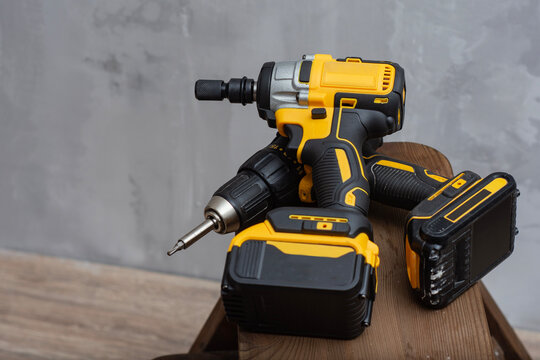
The power tools industry is undergoing significant transformation as cordless platforms, advanced batteries, brushless motors, connected equipment, and smart controls become increasingly common. Demand from construction, manufacturing, automotive, infrastructure, maintenance, woodworking, and home improvement continues to create opportunities for manufacturers.
However, the industry also faces several challenges that can influence product development, pricing, distribution, customer adoption, and profitability. Manufacturers must manage technological change while maintaining reliability and affordability. They also need to respond to supply chain uncertainty, safety expectations, environmental concerns, and increasingly demanding professional users.
The power tools market challenges are therefore connected to both traditional manufacturing pressures and emerging technological requirements.
Managing Rising Production Costs
Manufacturing modern power tools requires a combination of metals, plastics, electronic components, batteries, motors, sensors, and other specialized parts.
Fluctuations in raw material and component prices can increase production costs. Manufacturers may struggle to maintain competitive prices when input expenses rise.
Passing higher costs to customers can reduce demand among price-sensitive buyers, while absorbing them can reduce profit margins.
Improving manufacturing efficiency and optimizing procurement will remain important for controlling costs.
Battery Performance and Cost
The transition toward cordless tools creates both opportunities and challenges.
Professional users expect batteries to provide long operating times, rapid charging, consistent power, and long service life.
High-performance batteries can increase product costs and overall ownership expenses.
Heavy-duty applications may also require multiple batteries to maintain continuous operations.
Manufacturers must continue improving battery technology while ensuring that charging systems and replacement batteries remain practical for customers.
Managing Technological Complexity
Power tools are becoming more technologically advanced.
Brushless motors, sensors, electronic controls, wireless communication, mobile applications, and digital fleet-management systems can improve performance, but they also increase product complexity.
Manufacturers must ensure that new technologies provide clear practical benefits rather than unnecessary features.
Greater complexity can also increase maintenance requirements and make troubleshooting more difficult for users who are accustomed to conventional equipment.
Rapid Product Innovation
The pace of technological development creates pressure on manufacturers to update their product portfolios frequently.
Companies that delay innovation may lose customers to competitors offering better batteries, improved ergonomics, connected functionality, or higher performance.
At the same time, investing heavily in every emerging technology can create financial risks if customers do not adopt new features quickly.
Successful product development requires careful evaluation of customer requirements and long-term technology value.
Supply Chain Reliability
Global supply chains remain a major operational challenge.
Power tool manufacturers depend on reliable supplies of metals, electronic components, batteries, motors, packaging materials, and specialized parts.
Transportation delays, supplier disruptions, shortages, and unexpected demand changes can affect production schedules.
Diversifying suppliers can reduce risk, but maintaining multiple sources may increase procurement and quality-control costs.
Manufacturers need flexible supply networks that can respond quickly to disruptions.
Safety and Compliance Requirements
Power tools can involve risks related to rotating components, cutting surfaces, vibration, noise, heat, and accidental activation.
Manufacturers must design products that meet relevant safety standards and performance requirements.
Testing, certification, documentation, and compliance processes can increase development expenses.
Safety features also need to be integrated without making tools unnecessarily heavy, expensive, or difficult to use.
Skilled Labor and Training
Advanced tools can require users to understand electronic controls, torque settings, battery management, and specialized operating procedures.
A shortage of skilled workers can make it harder for businesses to take full advantage of advanced equipment.
Manufacturers and distributors may need to provide training, product demonstrations, digital tutorials, and technical support.
Proper training is particularly important in construction and industrial environments where incorrect tool operation can affect both productivity and workplace safety.
Intense Competitive Environment
The power tools industry includes established global manufacturers, regional companies, specialized brands, and lower-cost suppliers.
Competition can create pressure on prices, distribution, marketing, innovation, and customer service.
Large companies may have advantages in research capabilities, brand recognition, and dealer networks.
Smaller manufacturers may compete through specialization, customization, or lower prices.
Maintaining differentiation is becoming increasingly difficult as technologies and product features spread across the industry.
Counterfeit Products and Unauthorized Distribution
Counterfeit and unauthorized products can create problems for legitimate manufacturers.
Low-priced imitation equipment can compete directly with branded products and potentially damage consumer trust.
Poor-quality counterfeit tools may also create safety concerns.
Manufacturers need effective authentication systems, authorized distribution networks, customer awareness campaigns, and brand-protection measures to address this issue.
Sustainability and Environmental Expectations
Environmental concerns are increasingly influencing product development and purchasing decisions.
Manufacturers face pressure to improve energy efficiency, reduce packaging, use recyclable materials, extend product lifecycles, and support battery recycling.
Implementing sustainable manufacturing practices can require significant investment.
Battery disposal is especially important for cordless equipment because end-of-life batteries require appropriate collection and recycling processes.
Evolving Customer Expectations
Customers are becoming more informed and demanding.
Professional users increasingly evaluate tools based on performance, battery runtime, durability, ergonomics, warranty coverage, service availability, and total ownership costs.
Consumers may prioritize affordability, ease of use, portability, and compatibility with existing battery platforms.
Manufacturers must understand these differences and develop products for specific customer groups.
Distribution and Inventory Management
Power tools are sold through hardware stores, professional distributors, specialized dealers, online platforms, and direct sales channels.
Managing inventory across multiple channels can be challenging.
Too much inventory increases storage costs and may require discounting, while insufficient stock can result in lost sales.
The large number of tool models, accessories, battery options, and regional specifications adds further complexity.
Better demand planning and integrated inventory systems can help reduce these risks.
Digital Connectivity and Cybersecurity
Connected tools create new opportunities but also introduce cybersecurity challenges.
Smart equipment may exchange information with mobile devices, cloud platforms, or enterprise systems.
Manufacturers must protect communication channels and user data from unauthorized access.
Software updates, authentication systems, and secure device management require ongoing investment.
Companies must also ensure that digital features remain reliable throughout the product's operating life.
Economic Uncertainty
The power tools industry is influenced by construction activity, industrial production, infrastructure spending, automotive manufacturing, and consumer confidence.
Economic slowdowns can cause businesses to delay capital purchases and extend the life of existing equipment.
Consumers may also postpone home improvement and renovation projects.
Manufacturers need flexible product portfolios and cost structures that can adapt to changing economic conditions.
Long Replacement Cycles
Durable power tools can remain operational for many years.
This creates value for customers but can reduce replacement frequency.
Manufacturers must provide compelling reasons for customers to upgrade existing equipment.
Better battery performance, improved safety, lower weight, higher productivity, connected capabilities, and ergonomic improvements can encourage replacement when they deliver measurable benefits.
Competition From Alternative Equipment
Power tools compete with other technologies in selected applications.
Pneumatic, hydraulic, manual, and automated equipment can remain preferable in specific working environments.
Customers evaluate these options based on power requirements, infrastructure, maintenance, operating costs, and application suitability.
Manufacturers therefore need to demonstrate clear advantages rather than relying solely on brand familiarity.
Conclusion
The power tools market challenges extend across production, technology, supply chains, safety, sustainability, distribution, competition, and customer expectations.
Battery performance, rising manufacturing costs, technological complexity, regulatory requirements, skilled labor shortages, counterfeit products, and economic uncertainty can influence industry performance.
At the same time, digital connectivity and sustainability introduce new responsibilities for manufacturers.
Companies that prioritize efficient production, resilient supply networks, practical innovation, strong safety systems, effective training, and responsive customer service can address these challenges more effectively.
The industry's long-term competitiveness will depend on balancing advanced technology with affordability, reliability, durability, sustainability, and genuine user value.
Written as -https://www.pristinemarketinsights.com/power-tools-market-report