Complete Guide to PP Woven Bags: Materials, Uses, and Recycling
-
- Published Updated
- 1,584 views
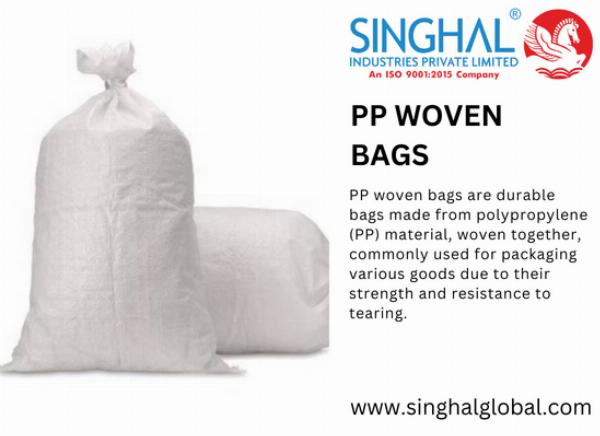
PP Woven Bags are durable, lightweight packaging solutions made from woven polypropylene, widely used for agricultural, industrial, and consumer products. This guide explains construction, common applications, performance metrics, and recycling considerations to help readers understand what these bags are and how they compare with other packaging options.
- PP woven bags are made from woven polypropylene fabric, often laminated for moisture resistance.
- Common uses include grain, feed, fertilizer, cement, and consumer packaging.
- Key properties: high tensile strength, tear resistance, low weight, and UV stabilization options.
- Recycling and reuse depend on local systems and whether bags are contaminated or laminated.
PP Woven Bags: Overview
PP Woven Bags (woven polypropylene bags) normally start as polypropylene resin pellets that are extruded into slit film tapes, woven into fabric, and converted into sacks. Variations include plain woven sacks, laminated woven sacks for enhanced moisture resistance, and printed or valve-style constructions for specific fill and discharge needs. These bags are often chosen for their cost-effectiveness, high strength-to-weight ratio, and adaptability to automated filling lines.
Materials and construction
Polypropylene resin and wafers
Primary material is polypropylene (PP), a thermoplastic polymer produced from propylene monomers. Polypropylene offers good chemical resistance, low moisture uptake, and can be compounded with additives such as UV stabilizers, antistatic agents, or colorants to meet performance requirements.
Weaving and lamination
PP film is slit into tapes and woven on looms to create fabric. Many manufacturers apply a polyethylene (PE) or BOPP (biaxially oriented polypropylene) lamination to one or both sides of the woven fabric to improve moisture barrier properties, printability, and abrasion resistance. Lamination affects recyclability and end-of-life options.
Types and common uses
Standard sack types
Typical formats include open-mouth sewn-top bags, valve bags (for automatic filling), and block bottom or center-fold styles for retail display. Sizes range from small retail packs to large sacks for industrial materials.
Applications
Common sectors using PP woven bags are agriculture (grain, seed, animal feed), construction (cement, sand), chemicals (fertilizers, powdered chemicals), and consumer goods (rice, sugar, pet food). Flexible Intermediate Bulk Containers (FIBCs) and big bags are related products used for higher-capacity bulk handling.
Performance characteristics and testing
Mechanical properties
Important performance metrics include tensile strength, tear resistance, burst strength, and seam strength. Tests often reference international standards such as ISO and ASTM methods for tensile and tear testing. UV-treated bags may have extended outdoor durability.
Barrier and contamination concerns
Lamination improves resistance to moisture and fine dust but can limit breathability. For food-contact uses, compliance with local food contact regulations should be verified. Regulators such as the U.S. Food and Drug Administration (FDA) publish guidance about food contact substances; consult official sources for details: FDA food contact guidance.
Sustainability and end-of-life options
Recycling and circularity
Polypropylene is technically recyclable where collection and sorting infrastructure exist. Unlaminated PP woven fabric has higher recycling potential than laminated or contaminated sacks. Reprocessing often requires cleaning and separation from contaminants; local municipal or industrial recycling programs determine feasibility.
Reuse and secondary uses
When safe and appropriate, PP woven bags may be reused for storage, temporary containment, or converted into new products. Reuse should consider contamination risk, especially for food or chemical residues.
Choosing and handling PP woven bags
Specifying for an application
Select bags based on required load capacity, moisture protection, UV exposure, print requirements, and compatibility with filling and sealing equipment. For regulated uses such as food packaging, request certificates of compliance and material safety data where available.
Safe handling and storage
Store bags in a dry, cool area away from direct sunlight to limit UV degradation. Avoid sharp edges during filling and transport to minimize punctures. Follow industry best practices for stacking and palletizing to maintain bag integrity and reduce risk of collapse.
Standards and regulatory considerations
Quality management systems such as ISO 9001 are commonly used by manufacturers. For food or pharmaceutical contact, regulatory frameworks differ by region; in the United States, the FDA provides guidance on food contact substances, while the European Food Safety Authority (EFSA) issues opinions relevant to the EU. Verify compliance documentation for specific end uses.
Frequently asked questions
Are PP Woven Bags safe for food contact?
PP woven bags can be suitable for food contact when made from food-grade polypropylene and when manufacturers provide appropriate compliance documentation. Regulations and acceptance criteria vary by jurisdiction; consult local regulatory guidance and supplier certificates before using bags for food packaging.
How are PP woven bags recycled?
Recycling depends on local sorting systems and whether bags are contaminated or laminated. Clean, unlaminated polypropylene fabric has the best chance of being recycled into pellets for reuse. Many regions lack dedicated collection for industrial sacks, so check local recycling facilities.
What is the difference between laminated and unlaminated PP woven bags?
Laminated bags have an additional film layer to improve moisture resistance and print quality, but lamination can reduce recyclability. Unlaminated bags are more breathable and easier to recycle but offer less protection from moisture.
Can PP woven bags be used outdoors?
Yes, when treated with UV stabilizers and designed for outdoor exposure. Even with UV protection, prolonged sunlight exposure will eventually degrade polypropylene, so storage and use duration should be considered.
How to check quality before buying?
Review technical data sheets that list fabric weight (gsm), yarn count, seam type, burst or tensile test results, and any certifications. Request samples for compatibility testing with filling equipment and product being packaged.
Sources referenced in this guide include standards organizations and regulatory authorities that publish testing and food-contact guidance. For official food contact information, consult the FDA resource linked above.