Effective PPC for Distributors: Advertising Strategies for Distribution Services
-

- February 23rd, 2026
- 1,531 views

FREE SEO Topical Map Generator: Find Your Next Content Ideas
PPC for distributors is a paid search approach that helps companies offering distribution services reach buyers, channel partners, and procurement teams at key moments of intent. Paid search campaigns can complement account-based marketing, trade show outreach, and reseller programs by delivering targeted visibility for product lines, logistics capabilities, and regional service offerings.
Distributors can use PPC to generate qualified leads, support product launches, and drive traffic to distributor pages. Core elements include selecting distribution-focused keywords, tailoring ad copy to buyers and resellers, building conversion-optimized landing pages, tracking offline and online leads, and aligning bids to margin and inventory. Measurement, compliance, and iterative testing are essential for long-term success.
PPC for distributors: Overview and goals
Paid search for distribution services typically targets commercial buyers, procurement managers, and downstream resellers rather than individual consumers. Campaign goals often include lead capture for large-volume orders, distributor registration, product availability requests, and routing inquiries to regional sales teams. Defining measurable goals—such as cost per lead (CPL), lead quality metrics, and average order value (AOV)—guides keyword choice, bidding, and creative strategy.
Choosing keywords and audience signals
Intent-focused keyword research
Prioritize keywords that indicate commercial intent: terms with phrases like "bulk", "wholesale", "distributor", "reseller", "supply", and specific product SKUs or part numbers. Combine broad industry categories (e.g., "industrial valves distributor") with long-tail queries that indicate purchase intent (e.g., "bulk stainless steel valve supplier 1,000+ units").
Using audience targeting and remarketing
Layer intent-based keywords with audience signals such as company size, industry sectors, or remarketing lists for previous site visitors. Account-based targeting and customer match lists help prioritize bids for known prospects and high-value accounts.
Ad formats, messaging, and creative for distribution services
Ad copy that converts commercial buyers
Emphasize attributes important to distribution buyers: minimum order quantities, lead times, regional stocking, technical support, certifications, and bulk pricing. Include clear calls to action like "Request Quote", "Download Spec Sheet", or "Request Distributor Account" to set expectations for the conversion path.
Extensions and local signals
Use ad extensions—callouts, structured snippets, sitelinks, and location extensions—to surface certifications, warehouse locations, and product categories. Click-to-call and lead form extensions can capture rapid inquiries from procurement teams on mobile devices.
Landing pages and conversion tracking
Designing landing pages for distributor leads
Landing pages should match the ad message, provide technical details or spec sheets, and include clear, low-friction contact methods. For distributor account applications, include forms that collect company name, annual purchase volume, tax ID, shipping regions, and primary contact to qualify leads early.
Tracking online and offline conversions
Implement conversion tracking for form submissions, downloads, calls, and chat interactions. Track downstream outcomes—such as quotes issued or orders placed—by integrating CRM data with ad platforms or using UTM parameters. Attribution models help determine which campaigns drove high-value accounts.
Budgeting, bidding, and measuring ROI
Aligning bids with margin and inventory
Set bid strategies based on product margins, stock availability, and customer lifetime value. For high-margin or scarce inventory SKUs, prioritize top positions. For commodity items, use more conservative bids and focus on efficiency metrics like cost per acquisition (CPA).
Key performance indicators
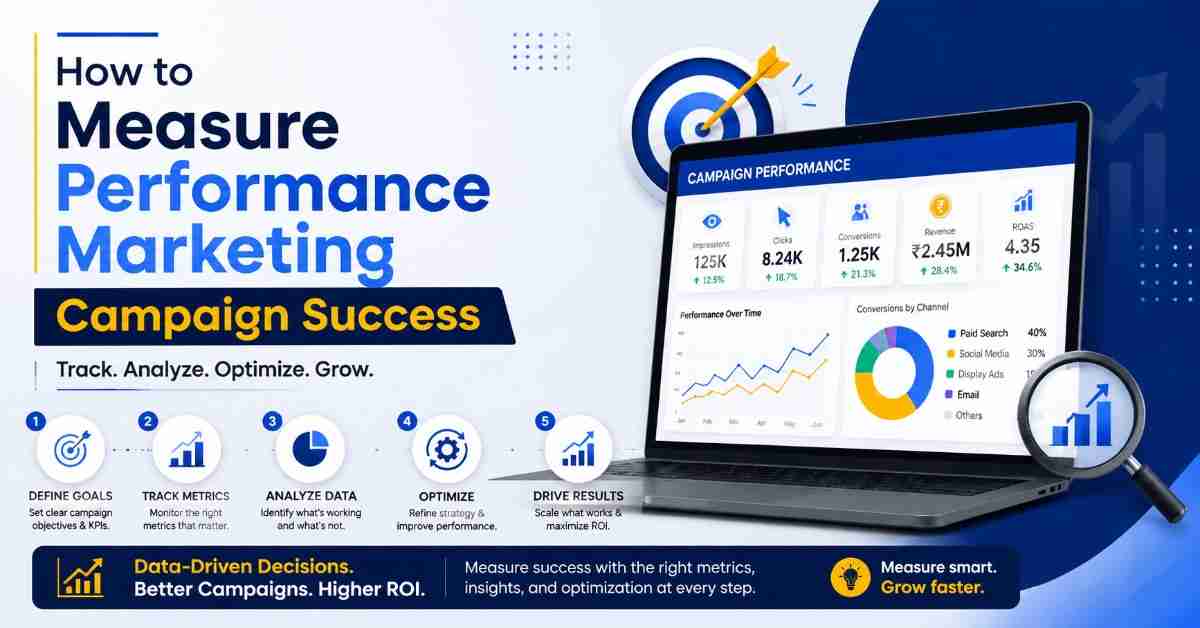
Monitor metrics such as click-through rate (CTR), conversion rate, cost per lead, lead quality, and return on ad spend (ROAS) where e-commerce applies. Use controlled A/B tests to evaluate ad copy, landing pages, and bid strategies.
Compliance, policy, and platform guidance
Ad policy and industry regulation
Ensure ads and landing pages comply with platform policies and any relevant industry regulations (for example, labeling or safety claims). Maintain accurate claims about certifications, warranties, and shipping capabilities.
Platform resources
Advertising platforms publish implementation and policy guidance for paid search and display campaigns. Consult official documentation from platform providers for requirements, best practices, and technical setup to reduce the risk of disapproved ads.
Optimization and scaling
Testing and iterative improvement
Run experiments on match types, ad copy variations, landing page elements, and bid algorithms. Prioritize tests that affect conversion rate and lead quality. Use automated rules and scripts sparingly to handle repetitive tasks while preserving flexibility for high-value accounts.
Scaling across regions and channels
Once core campaigns perform consistently, expand by language, region, product line, and channel—such as programmatic display or B2B social platforms—to widen the top of funnel and support sales enablement efforts.
Resources
For technical setup, conversion tracking, and policy details, refer to platform help centers and official guidance, such as the Google Ads Help Center for campaign setup and tracking basics: Google Ads Help - Campaigns.
Conclusion
PPC for distributors can deliver measurable leads and supply-chain visibility when campaigns are focused on commercial intent, built around accurate landing experiences, and measured against meaningful business metrics. Emphasize lead quality, integrate CRM and inventory signals, and run iterative tests to align paid search investment with distribution goals.
FAQ
What is PPC for distributors and how does it differ from consumer PPC?
PPC for distributors targets commercial queries, part numbers, bulk purchase intent, and reseller audiences rather than consumer shopping behavior. Campaigns prioritize lead forms, technical content, and account-based signals, and they use KPIs tied to order volume and account value.
How should keywords be structured for distribution services?
Organize keywords by product family, SKU, and buyer intent (e.g., "wholesale", "bulk", "distributor"). Group campaigns by category or region and use negative keywords to exclude consumer-focused traffic.
How to measure ROI from PPC campaigns for distribution advertising?
Measure ROI by tracking downstream outcomes in the CRM—quotes, orders, and average order value—and attributing those conversions to campaigns through UTM parameters or platform conversion imports. Track both short-term leads and longer sales cycles.
Can PPC campaigns support distributor recruitment and channel growth?
Yes. Use targeted landing pages and forms that collect reseller qualifications, highlight partnership benefits, and route qualified inquiries to channel managers for follow-up.
What platforms are recommended for PPC for distributors?
Search platforms with robust B2B intent signals are primary choices; complement search with retargeting and professional social channels for account-based outreach. Platform selection should reflect where procurement teams and resellers research suppliers.