Pre-Insulated Pipes Market Drivers Strengthen Demand Through Energy Efficiency, Urbanization, and Thermal Infrastructure
-

- Published Updated
- 4,287 views
Introduction
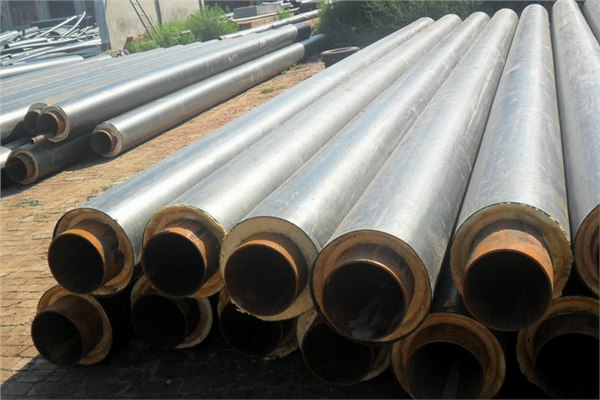
The pre-insulated pipes industry is gaining importance as governments, utilities, industries, and infrastructure developers seek more efficient methods of transporting thermal energy. These piping systems combine a service pipe, insulation layer, and protective outer casing to reduce heat transfer and provide reliable distribution of hot or chilled fluids.
The pre-insulated pipes market drivers are closely connected with energy efficiency, urbanization, district heating and cooling, industrial modernization, renewable energy integration, waste heat recovery, data center expansion, and infrastructure replacement. Increasing attention to lifecycle costs and sustainable construction is also encouraging organizations to consider higher-performance thermal distribution systems.
Growing Focus on Energy Efficiency
Energy efficiency is one of the strongest drivers supporting demand.
Thermal energy can be lost during transportation when conventional piping systems have inadequate insulation or deteriorating protective layers. These losses increase energy consumption and operating expenses.
Pre-insulated pipes are manufactured with integrated insulation designed to limit unwanted heat transfer.
For district energy systems and industrial facilities operating over long distances, reducing thermal losses can contribute to improved overall system efficiency.
As energy costs and efficiency expectations rise, infrastructure developers are increasingly evaluating piping solutions according to their long-term performance rather than only their initial purchase price.
Expansion of District Heating Networks
District heating development is another major driver.
Centralized heating networks distribute thermal energy from a production facility to multiple residential, commercial, or industrial users.
Many cities are modernizing older networks to improve efficiency and accommodate alternative heat sources such as heat pumps, geothermal energy, biomass, thermal storage, and recovered industrial heat.
Pre-insulated pipes provide an efficient means of connecting these energy sources with consumers.
Expansion of new networks and replacement of aging infrastructure can therefore create sustained demand.
Rising Demand for District Cooling
Cooling requirements are increasing across many urban and commercial environments.
District cooling systems can supply chilled water from centralized plants to multiple buildings.
Pre-insulated pipes can reduce unwanted heat gain while transporting chilled fluids.
Hospitals, airports, universities, hotels, shopping centers, office complexes, and residential developments can benefit from centralized cooling infrastructure.
As urbanization increases and cooling requirements become more demanding, district cooling can become an important application area for pre-insulated piping.
Urbanization and Infrastructure Development
Rapid urban development is creating new requirements for efficient thermal infrastructure.
New residential communities, commercial districts, industrial parks, hospitals, airports, and mixed-use developments often require heating and cooling systems from the beginning of construction.
Installing integrated thermal distribution networks can help developers manage energy requirements across large sites.
Pre-insulated pipes can support underground distribution while reducing thermal losses and maintaining system reliability.
Urban infrastructure investment is therefore an important long-term demand driver.
Industrial Modernization
Industrial facilities require reliable thermal energy for production processes, heating, cooling, cleaning, storage, and environmental control.
Manufacturing industries are increasingly modernizing facilities to improve productivity and energy efficiency.
Pre-insulated piping can support the transportation of steam, hot water, chilled water, and other thermal fluids across industrial sites.
Industries such as food processing, pharmaceuticals, chemicals, petrochemicals, and advanced manufacturing can provide opportunities for specialized piping systems.
Renewable Energy Integration
The transition toward cleaner energy is creating new thermal infrastructure requirements.
Geothermal systems, solar thermal installations, biomass facilities, and heat pump networks depend on efficient fluid transportation.
Pre-insulated pipes can connect renewable energy sources with buildings, storage systems, and district networks.
As renewable thermal technologies become more integrated into energy systems, demand for efficient distribution infrastructure can increase.
Waste Heat Recovery
Waste heat recovery is emerging as another important driver.
Industrial plants, data centers, and energy-intensive facilities can generate large quantities of excess heat.
Instead of allowing this energy to escape, recovery systems can transport it to nearby buildings or industrial processes.
Pre-insulated pipes can help preserve thermal energy during transportation.
The increasing emphasis on energy conservation and resource efficiency can encourage investment in heat recovery projects.
Growth of Data Centers
The expansion of data centers is creating significant cooling requirements.
Cloud computing, artificial intelligence, high-performance computing, and digital services are increasing the amount of computing infrastructure being deployed.
These facilities require reliable cooling systems to maintain appropriate operating conditions.
Pre-insulated pipes can support chilled-water distribution and other thermal management applications.
As large computing facilities become more common, specialized thermal infrastructure can become an increasingly important market opportunity.
Thermal Energy Storage Development
Energy storage is expanding beyond electricity.
Thermal storage systems can store hot or chilled water and release energy when required.
Pre-insulated pipes can connect storage systems with generation facilities and end users.
The integration of thermal storage with renewable energy and district heating or cooling networks can improve flexibility and help manage fluctuations in energy demand.
This creates additional opportunities for efficient thermal piping solutions.
Government Energy-Efficiency Initiatives
Energy efficiency and sustainable infrastructure programs can influence investment decisions.
Governments, municipalities, and infrastructure organizations are increasingly focused on reducing energy consumption and improving building and utility performance.
Policies supporting efficient district energy systems, renewable heating, low-carbon infrastructure, and building modernization can indirectly support demand for high-performance piping.
Project developers may also consider energy efficiency when selecting materials and infrastructure technologies.
Infrastructure Replacement
Aging thermal networks require regular modernization.
Older piping systems may suffer from insulation deterioration, corrosion, leaks, or inefficient thermal performance.
Replacing outdated components with modern pre-insulated systems can improve network efficiency and reliability.
Infrastructure replacement can therefore create demand even in mature markets where new district energy construction is limited.
Lifecycle Cost Considerations
Customers are increasingly evaluating the total cost of ownership.
A piping system with a higher initial cost may provide greater value if it reduces energy losses, maintenance requirements, and replacement frequency.
Pre-insulated systems can offer predictable insulation performance and long service potential when properly designed and installed.
Growing awareness of lifecycle economics can encourage customers to consider performance over the entire operating period.
Technological Advancements
Product innovation is strengthening the industry's appeal.
Manufacturers are improving insulation materials, protective casings, jointing systems, fittings, and monitoring technologies.
Smart sensors can provide information about temperature, moisture, and other operating conditions.
Digital monitoring can support preventive maintenance and improve system visibility.
These developments can increase the value of pre-insulated piping beyond its traditional role as a thermal transportation product.
Sustainability Requirements
Sustainability is becoming increasingly important in infrastructure development.
Organizations are seeking ways to reduce energy consumption, operational emissions, material waste, and maintenance requirements.
Pre-insulated pipes can contribute to energy efficiency by reducing thermal losses during transportation.
Manufacturers are also focusing on durable materials, efficient production processes, and reduced material consumption.
Sustainability considerations can therefore become an additional purchasing driver.
Future Growth Implications
The combination of these drivers is expected to broaden the application base for pre-insulated piping systems.
District energy networks are likely to remain important, while industrial facilities, renewable energy projects, data centers, thermal storage systems, and heat recovery infrastructure can provide additional opportunities.
Manufacturers that improve product efficiency, installation flexibility, durability, digital monitoring, and sustainability can respond more effectively to changing customer requirements. The pre-insulated pipes market drivers reflect the wider transformation of thermal energy infrastructure.
Energy efficiency, district heating and cooling, urbanization, industrial modernization, renewable energy integration, waste heat recovery, data center expansion, thermal storage, and infrastructure replacement are strengthening demand.
Technological improvements and growing attention to lifecycle performance are also increasing the attractiveness of advanced piping systems.
As cities and industries pursue more efficient and sustainable thermal networks, pre-insulated pipes can remain an important infrastructure solution for reducing thermal losses, improving reliability, and supporting the modernization of heating and cooling systems.
Written as -https://www.pristinemarketinsights.com/pre-insulated-pipes-market-report