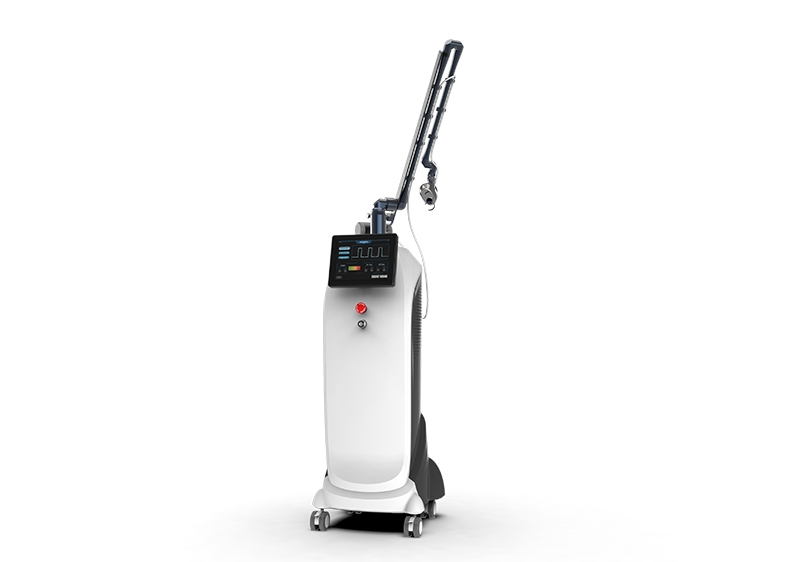
How to Prepare for Dubai Laser Hair Removal: Complete Pre-Treatment Checklist
-

- February 23rd, 2026
- 1,214 views
Dubai Laser Hair Removal is a common cosmetic procedure in the region. Proper pre-treatment preparation can reduce risks, improve comfort, and increase the chance of successful results. This guide explains practical steps, scheduling, and safety considerations to help people get ready for a laser hair removal appointment in Dubai or similar urban settings.
- Avoid sun exposure and tanning for at least two weeks before treatment.
- Stop waxing, plucking, and electrolysis 4–6 weeks before; shaving is usually allowed.
- Inform the clinic about medications, medical history, and previous skin reactions.
- Confirm skin type, required laser type, and schedule a patch test if advised.
- Choose a licensed clinic and a qualified practitioner; check local regulator requirements.
Dubai Laser Hair Removal: Pre-Treatment Checklist
Choose a licensed clinic and qualified practitioner
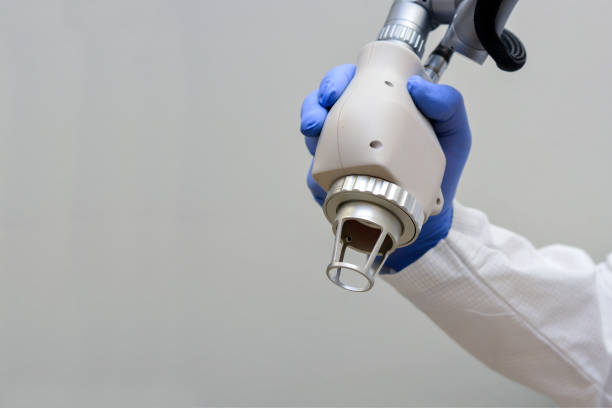
Confirm that the facility is licensed under the relevant regulator and that the person operating the laser has appropriate training. In Dubai, regulatory guidance is available from the Dubai Health Authority. Clinics should perform a consultation that covers medical history, expectations, and informed consent. Ask about the laser equipment used and whether it is suited to the expected skin and hair type.
Book a consultation and patch test
A consultation helps determine if laser hair removal is appropriate. A small patch test may be performed on the target area to evaluate skin response and to select the appropriate laser settings. Patch testing reduces the chance of unexpected reactions such as hyperpigmentation or blistering.
Medical and skin considerations before treatment
Disclose medications and medical conditions
Provide a full list of medications, supplements, and recent treatments during the consultation. Certain medications and medical conditions increase sensitivity to light or affect healing—examples include systemic retinoids (like oral isotretinoin), certain antibiotics, immunosuppressants, and a history of keloid scarring. A practitioner will advise about temporary pauses or alternatives; follow their instructions and consider obtaining guidance from a primary care clinician when needed.
Understand skin type and hair characteristics
Laser performance depends on hair color, thickness, and skin tone. Different lasers—diode, alexandrite, and Nd:YAG—have different safety profiles for Fitzpatrick skin types I–VI. Nd:YAG lasers are commonly used for darker skin tones because of deeper penetration and lower melanin absorption. Discuss skin type and expected outcomes during the consultation.
Practical pre-treatment steps and timeline
Two to four weeks before
- Avoid tanning and sunbeds. Recent sun exposure increases the risk of burns and pigment changes.
- Stop waxing, plucking, threading, and electrolysis—these remove the hair root and reduce laser effectiveness.
- Consider stopping photosensitizing topical agents (e.g., certain depigmentation creams) if advised by the practitioner.
48–72 hours before
- Avoid intense exfoliation, chemical peels, or aggressive skincare on the treatment area.
- Avoid blood-thinning substances such as high-dose vitamin E or certain herbal supplements if instructed by the practitioner.
On the day of treatment
- Shave the area 24 hours before the session unless instructed otherwise; this removes hair above the skin and allows the laser to target follicles.
- Wear loose, comfortable clothing and avoid makeup, lotions, deodorant, or fragrances on the treatment area.
- Bring a list of medications and any previous treatment records.
What to expect during and after the appointment
During treatment
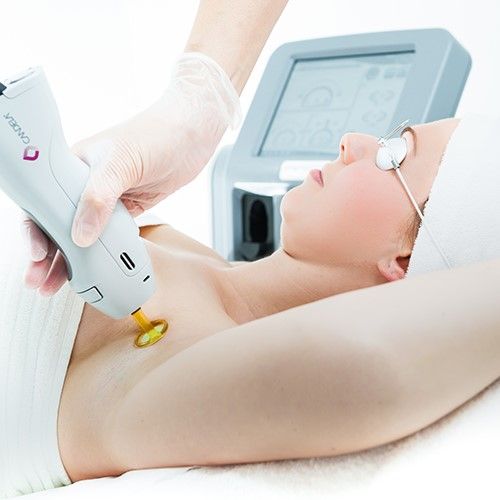
During the session, practitioner will use protective eyewear and may apply cooling methods such as chilled air, gels, or contact cooling. Sessions typically take minutes to an hour depending on area size. Sensations vary: some describe mild stinging or snapping; topical anesthetic creams may be offered for increased comfort.
Aftercare and common immediate effects
Immediately after treatment, temporary redness, swelling, or mild tenderness are common. Follow post-treatment instructions: avoid sun exposure, use broad-spectrum sunscreen, and avoid aggressive exfoliation until healing is complete. If blistering, significant pain, or signs of infection occur, contact the treating clinic promptly.
Regulation and safety resources
For local regulatory information and facility standards, consult the Dubai Health Authority. Official regulators provide guidance on licensing, permitted devices, and consumer protections that can help when choosing a clinic: Dubai Health Authority.
Choosing realistic expectations
Laser hair removal reduces hair growth but usually requires multiple sessions spaced several weeks apart to treat hair in different growth phases. Results vary by individual factors such as hormonal influences, hair density, and adherence to pre- and post-treatment instructions. Discuss expected outcomes and maintenance plans during the consultation.
Is Dubai Laser Hair Removal suitable for everyone?
Not everyone is an ideal candidate. People with certain medical conditions, recent tanning, or use of photosensitizing medications may be advised to delay treatment. A licensed practitioner should assess suitability during the consultation.
What if a reaction occurs?
Minor reactions are typically managed with cooling, topical soothing agents, and follow-up care. More significant reactions require clinician assessment. Keep post-treatment contact details from the clinic and follow their guidance for complications.
Final reminders
Preparation and honest communication with the treating practitioner improve safety and results. Confirm appointment instructions, attend follow-up sessions as recommended, and report any concerns promptly. For additional clinical information on laser safety and skin considerations, consult peer-reviewed dermatology guidance or local regulatory resources.
FAQ: What is the best way to prepare for Dubai Laser Hair Removal?
The best preparation includes avoiding sun exposure, stopping wax/pluck/electrolysis, informing the clinic about medications and medical history, shaving the area as instructed, and attending a consultation and patch test where recommended.
How long before treatment should tanning be avoided?
Avoid sun exposure and tanning for at least two weeks before treatment, and longer if recent intense exposure occurred. Tanned skin increases the risk of burns and pigment changes.
Can laser hair removal be done on darker skin tones?
Yes. Specific lasers and adjusted settings are designed for darker skin tones. A qualified practitioner will select an appropriate device and may perform a patch test to reduce risk.
How many sessions are usually needed?
Multiple sessions are typically required because laser targets hair in the active growth phase. The exact number depends on hair type, treatment area, and individual response.
Do any medications prevent treatment?
Certain medications, including recent oral retinoids and some photosensitizing drugs, may require delaying treatment. Disclose all medications during the consultation so the practitioner can advise.