Choosing Between Pro Car Bumper Repair and DIY Bumper Kits: Cost, Quality, and Safety
-
- Published Updated
- 1,125 views
The decision between Pro Car Bumper Repair vs DIY Bumper Kits commonly arises after minor collisions, parking lot scrapes, or cosmetic wear. Choosing the right approach affects cost, vehicle safety systems, paint matching, and long-term durability.
- Pro repair is generally better for structural damage, sensor-equipped bumpers, and guaranteed paint matching.
- DIY bumper kits can save money on purely cosmetic issues but require skill in plastic welding, adhesion, and painting.
- Insurance, warranty, and safety regulations can affect which option is appropriate.
Pro Car Bumper Repair vs DIY Bumper Kits: main differences
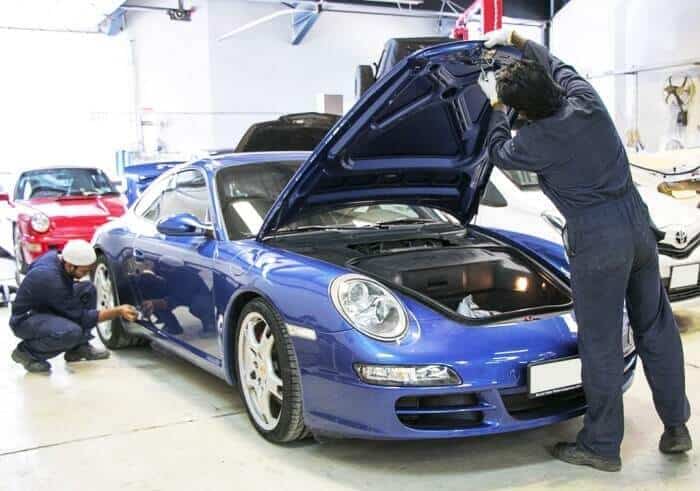
Professional bumper repair by a certified body shop often includes diagnostics for underlying damage, OEM or OE-quality replacement parts, proper adhesion and plastic welding techniques, and controlled paint matching with specialized equipment. By contrast, DIY bumper kits typically contain a replacement cover or repair materials, basic adhesives or fasteners, and instructions for surface prep and painting. The choice depends on the type of damage, available tools, technical skill, and concern for long-term performance.
When to choose professional bumper repair
Structural damage and hidden issues
If a collision impacts the bumper support, reinforcement bar, mounting points, or the vehicle frame, a professional inspection is advised. Shops can detect damaged crash sensors, airbag deployment components, or misaligned mounts that might not be visible during a DIY attempt.
Sensors, cameras, and advanced driver assistance
Modern bumpers often contain parking sensors, radar modules, and cameras. Trained technicians can recalibrate or safely relocate these systems. National regulatory guidance on vehicle safety systems and post-repair recalibration is available from agencies such as the National Highway Traffic Safety Administration (NHTSA): https://www.nhtsa.gov.
Quality, warranty, and paint matching
Professional shops use computerized paint-matching systems, controlled curing environments, and OEM-grade primers and topcoats. Many offer warranties on workmanship and may accept insurance claims directly, which can be important for resale value and long-term durability.
When a DIY bumper kit is reasonable
Cosmetic damage and minor scrapes
For superficial scratches, scuffs, or small cracks in unreinforced fascia, a DIY bumper kit can be cost-effective. Kits often include sandable fillers, adhesive patches or plastic weld sticks, and spray paint. Adequate surface preparation and follow-up sanding and clearcoating are necessary for a durable finish.
Cost and time considerations
DIY is usually cheaper up front but can take longer and carry risk of imperfect results. Labor rates at body shops reflect equipment, training (for example, Automotive Service Excellence—ASE—certified technicians), and overhead. For vehicles with high-quality finishes or complex colors, professional painting reduces the chance of color mismatch and visible texture differences.
Materials, methods, and technical factors
Plastic welding, adhesives, and reinforcement
Many modern bumpers are thermoplastic; successful repair requires correct heat-controlled plastic welding or the right adhesive bonding agents. Improper methods can lead to brittle repairs or failure under stress. Reinforcing repairs with mesh or backing plates can restore strength in moderate damage cases.
Replacement parts: OEM vs aftermarket
Original Equipment Manufacturer (OEM) parts match factory fit and finish and may include pre-attached brackets or sensor mounts. Aftermarket bumper covers vary in fit and finish; lower-cost parts might require additional trimming and adjustment. Professional shops can source and test-fit parts before final painting.
Insurance, safety, and regulatory considerations
Insurance claims and estimates
Insurance policies and collision estimates influence whether a repair or replacement is pursued. Insurers may require certified shops for certain repairs. For safety-related repairs, documentation and receipts can be important for future claims or resale.
Safety standards and post-repair testing
Repaired bumpers should maintain crash energy management properties. When repairs involve structural components or airbag sensors, following manufacturer service procedures and documented recalibration is recommended to comply with safety expectations and regulatory guidance.
Practical checklist for deciding
- Assess visible damage: cosmetic (paint/cover) vs structural (supports, mounts).
- Check for sensor or camera integration; if present, favor professional service.
- Obtain quotes for both repair and replacement; compare parts quality (OEM vs aftermarket).
- Consider resale value, warranty, and insurance involvement.
- Evaluate personal skill level and available tools for plastic welding, paint prep, and clearcoating.
Cost examples and time estimates
Costs vary widely by vehicle make, color complexity, and regional labor rates. A simple DIY kit for a cosmetic fix may cost under the price of a single day of shop labor, while professional repairs that include part replacement, sensor recalibration, and full paintwork typically require one to several days and a higher outlay. For accurate estimates, request itemized quotes from local repair shops and compare to aftermarket kit prices.
Pro Car Bumper Repair vs DIY Bumper Kits: FAQ
Is Pro Car Bumper Repair vs DIY Bumper Kits the better option for sensor-equipped bumpers?
For sensor-equipped bumpers, professional repair is generally recommended because technicians can diagnose, replace, and recalibrate sensors and cameras to the manufacturer's specifications, reducing the risk of impaired safety systems.
How long does a professional bumper repair usually take?
Typical turnaround ranges from a day for minor repairs to several days for parts ordering, painting, and curing. Complex repairs involving structural components or electronics can extend the timeline.
Can a DIY repair affect vehicle safety or warranty?
Improper DIY repairs may compromise energy absorption, sensor function, or fit and finish. If a vehicle is under warranty, check warranty terms before altering components; some warranties or insurance insurers may require certified shop repairs for safety-related items.
What tools or skills are needed for a successful DIY bumper repair?
Skills in plastic welding or proper adhesive bonding, surface preparation, sanding, primer application, and spray painting are essential. Access to a dust-controlled environment and accurate paint-matching supplies improves results.
How to choose between OEM and aftermarket replacement bumpers?
OEM parts offer the closest fit and factory-quality mounting points and sensor locations. Aftermarket parts can be less expensive but may need additional adjustment and paintwork. Evaluate fit, finish, and supplier reputation before purchasing.
Where to find official guidance on vehicle safety after repairs?
Official regulators such as the National Highway Traffic Safety Administration (NHTSA) publish safety information related to vehicle equipment and post-repair considerations. Consulting manufacturer repair manuals and certified technicians is also recommended for safety-critical procedures.