Brighten Your Smile: A Practical Guide to Professional Teeth Whitening in Dubai
-
- Published Updated
- 1,327 views
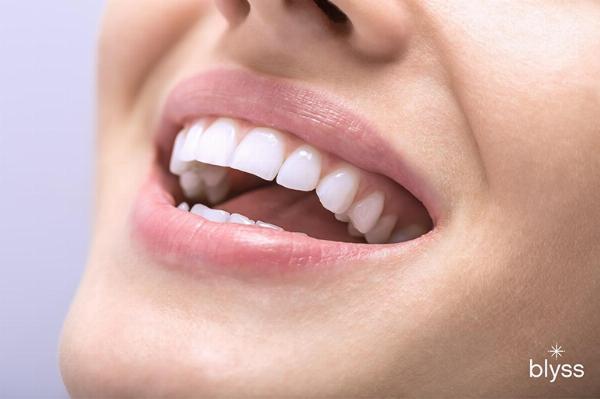
Achieving a whiter smile is a common cosmetic goal, and professional teeth whitening in Dubai is widely available at dental clinics across the city. This guide explains how professional whitening works, who is a suitable candidate, the typical treatment process, safety considerations, likely costs, and tips to maintain results.
- Professional teeth whitening is performed by licensed dental teams using higher-concentration bleaching agents for faster, more predictable results than over-the-counter options.
- Best results are usually for extrinsic stains (coffee, tea, smoking); intrinsic discoloration may need alternative treatments.
- Expect a consultation, cleaning, treatment time between 30–90 minutes, and possible temporary sensitivity.
- Regulation and clinician credentials matter—look for licensed dentists and recognized clinic accreditation.
Understanding professional teeth whitening in Dubai
Professional teeth whitening is a clinical procedure offered by licensed dental professionals that uses bleaching agents—usually hydrogen peroxide or carbamide peroxide—delivered in higher concentrations than retail products. In Dubai, dental clinics provide both in-office (chairside) whitening and professionally supervised take-home systems. The procedure targets extrinsic stains that affect enamel and can produce noticeable results in one visit or over a short series of visits.
How professional teeth whitening works
Bleaching agents and mechanisms
Hydrogen peroxide and carbamide peroxide break down stain molecules by oxidation. In-office treatments often use gel formulations activated by light or heat, or simply applied without activation, depending on the protocol. Take-home kits supplied by a dentist use custom-made trays and lower-concentration gels for gradual whitening.
Types of stains treated
Stains are commonly categorized as extrinsic (surface stains from food, drink, tobacco) and intrinsic (discoloration within the tooth structure due to trauma, medication, or aging). Professional whitening is most effective on extrinsic stains; intrinsic stains may require veneers, bonding, or internal bleaching for root-treated teeth.
Who is a suitable candidate
General suitability
Candidates are typically adults with healthy teeth and gums seeking cosmetic improvement. Children and adolescents may be assessed on a case-by-case basis. Existing dental restorations (crowns, veneers, fillings) do not whiten with bleaching agents and should be discussed during consultation.
Precautions
People with active tooth decay, untreated gum disease, large exposed root surfaces, or severe enamel erosion may be advised to address those issues before whitening. Sensitivity and gum irritation are possible side effects; a dentist will review history and tailor protocols to reduce risk.
What to expect during treatment
Consultation and preparation
A clinical assessment typically includes dental examination, discussion of desired shade, and professional cleaning if needed. Photographs and shade guides may be used to set realistic expectations.
In-office procedure
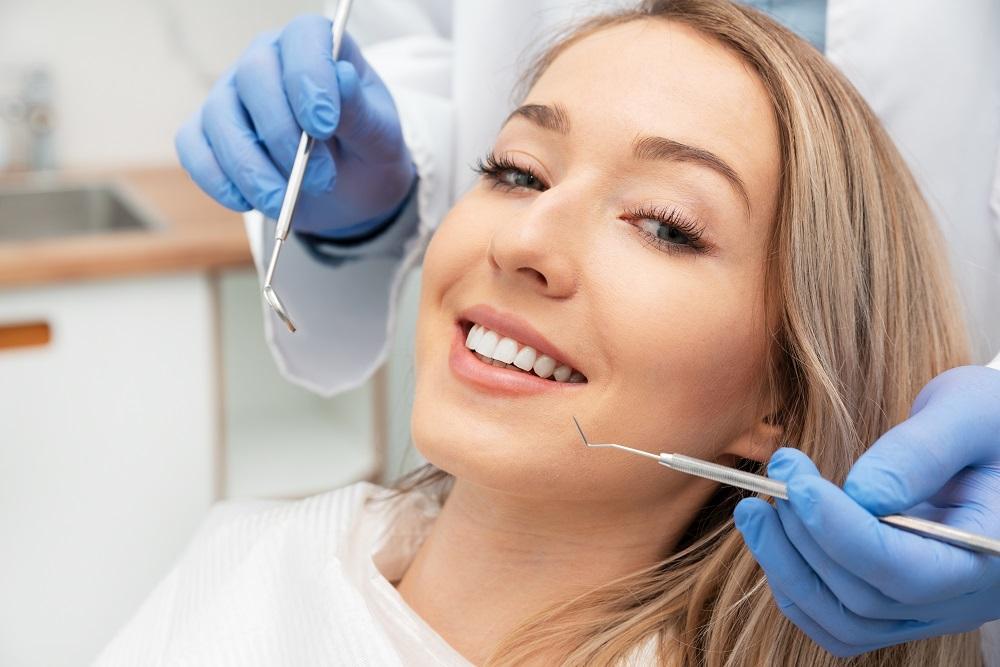
In-office whitening often takes 30–90 minutes. Protective barriers shield gums and soft tissues while the whitening gel is applied to tooth surfaces. Some clinics use light activation; others rely on gel contact time. Multiple short cycles may be used to reach the target shade.
Take-home systems
Take-home options involve impressions for custom trays, followed by patient application of gel at home for specified durations over days to weeks. These systems provide more gradual whitening and can be useful for touch-ups.
Aftercare and maintaining results
Immediate care
Sensitivity is common for a short period; desensitizing toothpaste and avoiding extreme hot or cold foods can help. Avoiding or limiting staining foods and beverages (coffee, tea, red wine) and tobacco supports longer-lasting results.
Long-term maintenance
Good oral hygiene, regular dental cleanings, and periodic touch-ups—either at home with dentist-provided gel or occasional in-office sessions—help maintain shade. Discuss a maintenance plan with the treating dentist.
Costs and choosing a clinic
Pricing considerations
Costs vary by clinic, technique (in-office vs. take-home), experience of the practitioner, and included services (consultation, cleaning, trays). Obtain a clear cost estimate and confirm what is included before booking.
Choosing a clinic
Selection criteria should include licensure, clinician qualifications, clinic accreditation, clear consent procedures, and patient reviews reflecting outcomes and safety. Ask about follow-up care and how restorations will be handled relative to whitening.
Regulation and safety
Dental practice in Dubai is regulated by local health authorities; clinics should be licensed and dental professionals registered. Scientific guidance from dental associations such as the American Dental Association (ADA) outlines safety considerations for bleaching agents and managing sensitivity. For local regulatory details and clinic verification, consult the Dubai Health Authority website: Dubai Health Authority.
Common questions and realistic expectations
Whitening can significantly improve some smiles but is not a permanent or universal solution. Results vary by stain type, enamel condition, and lifestyle factors. Discuss realistic outcomes and any needed restorative work with a licensed dentist before proceeding.
Is professional teeth whitening in Dubai safe?
When performed by a licensed dental professional and after appropriate assessment, professional whitening is generally considered safe. Regulation, proper technique, and patient screening help minimize risks such as sensitivity or soft-tissue irritation.
How long do whitening results last?
Results typically last from several months up to a few years, depending on diet, tobacco use, oral hygiene, and touch-up treatments. Regular cleanings and avoiding staining habits extend longevity.
Will whitening damage enamel?
When used as directed under professional supervision, bleaching agents are not expected to cause permanent enamel damage. Overuse or unsupervised treatments can increase sensitivity or irritation; follow dentist recommendations.
Can people with fillings or crowns whiten their teeth?
Natural teeth can be bleached, but existing restorations do not change color with bleaching agents. Restorations may need replacement or adjustment after whitening to match the new tooth shade.
How to verify a clinic or dentist in Dubai?
Confirm licensure and registration with local health regulators and request information on clinician qualifications, treatment protocols, and patient follow-up. Reviews and before-and-after photos can provide additional context.
For personalized recommendations and treatment planning, seek an assessment from a licensed dental professional in Dubai who can review individual oral health and cosmetic goals.