Why a Professional Property Inspection Is the Smartest Investment You’ll Make
-

- May 03rd, 2026
- 5,818 views

FREE SEO Topical Map Generator: Find Your Next Content Ideas
Buying a property is one of the biggest financial decisions most people will ever make. Whether it’s your first home, a condominium, or an investment property, the process can feel overwhelming. Many buyers focus heavily on location, price, and aesthetics—but one critical step often gets overlooked or underestimated: the professional property inspection.
A thorough inspection is not just a formality. It’s a strategic move that protects your investment, uncovers hidden issues, and gives you the confidence to move forward with clarity.
What Is a Property Inspection?
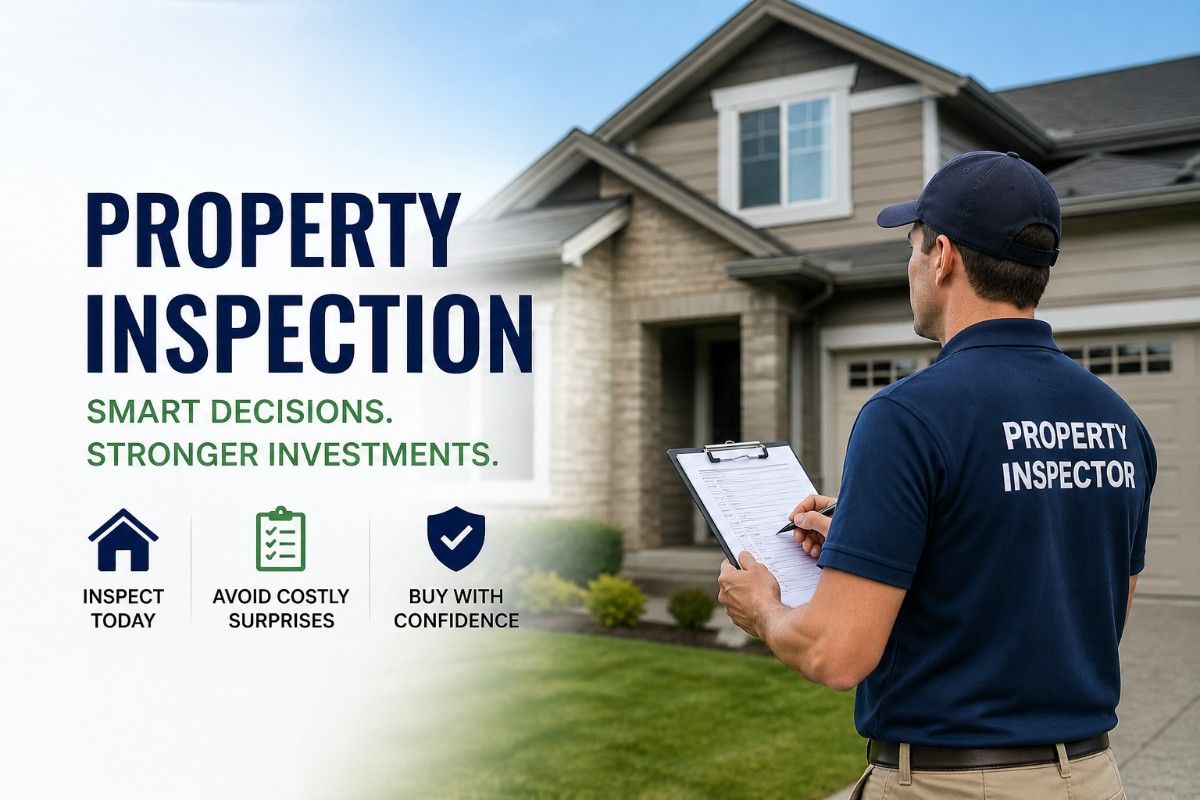
A property inspection is a detailed evaluation of a home’s structure, systems, and overall condition. Conducted by a certified inspector, it provides an objective assessment of the property before the purchase is finalized.
Inspectors typically examine:
- Structural components (foundation, walls, roof)
- Electrical systems
- Plumbing systems
- HVAC (heating and cooling)
- Insulation and ventilation
- Interior and exterior condition
The goal is simple: identify issues that may not be visible during a standard walkthrough.
Why Skipping an Inspection Is Risky
It’s tempting to skip the inspection to speed up the buying process—especially in competitive markets. But that decision can cost you significantly in the long run.
Here’s why:
1. Hidden Problems Are More Common Than You Think
Many serious issues are not visible to the untrained eye. Structural weaknesses, outdated wiring, or plumbing leaks can go unnoticed until they become expensive repairs.
2. Negotiation Power
An inspection report gives you leverage. If problems are found, you can negotiate repairs, request a price reduction, or even walk away from a bad deal.
3. Long-Term Financial Planning
Understanding the true condition of the property helps you plan future maintenance costs. That means fewer surprises after you move in.
Condo Buyers: Why Document Review Matters Just as Much
If you’re purchasing a condominium, the inspection alone isn’t enough. Condo document review is equally important—and often overlooked.
Condo documents provide insight into the financial and operational health of the building. These include:
- Reserve fund studies
- Financial statements
- Meeting minutes
- Bylaws and rules
Reviewing these documents helps you understand whether the building is well-managed or heading toward costly issues.
Key Red Flags in Condo Documents
A professional review can uncover serious warning signs, such as:
- Insufficient reserve funds
- Ongoing legal disputes
- Frequent special assessments
- Poor maintenance history
These issues can directly impact your finances after purchase. Identifying them early can save you thousands.
New Homes Aren’t Risk-Free Either
Many buyers assume that brand-new homes don’t need inspections. That’s a mistake.
Even new constructions can have:
- Incomplete work
- Poor craftsmanship
- Code compliance issues
A new home warranty inspection ensures everything meets proper standards before your warranty period expires.
Commercial Property Inspections: A Different Level of Due Diligence
For investors and business owners, commercial inspections are even more critical. These properties involve higher financial stakes and more complex systems.
A commercial inspection evaluates:
- Structural integrity
- Safety compliance
- Mechanical systems
- Long-term maintenance risks
Without proper due diligence, small issues can turn into major liabilities.
What Makes a Good Inspection Report?
Not all inspections are equal. A high-quality inspection report should be:
- Detailed and easy to understand
- Supported by clear explanations
- Backed by real observations, not assumptions
- Delivered promptly
The best inspectors also take time to walk you through their findings so you fully understand what’s at stake.
How Inspections Support Better Decision-Making
At the end of the day, a property inspection isn’t about finding problems—it’s about making informed decisions.
It helps you:
- Buy with confidence
- Avoid unexpected repair costs
- Understand the true value of the property
- Plan future maintenance
Instead of relying on guesswork, you’re making a decision based on facts.
When Should You Schedule a Property Inspection?
Timing matters more than most buyers realize. The best time to schedule a property inspection is immediately after your offer is accepted, during the conditional period. This ensures you have enough time to review the findings and make informed decisions without pressure.
For condo buyers, document review should happen alongside the inspection to give a complete picture of both the unit and the building. For new homes, inspections should be done before possession and again before the warranty period ends.
Delaying or skipping this step can limit your options and reduce your negotiating power. Acting early keeps you in control and prevents last-minute surprises that could affect your purchase.
Final Thoughts
In today’s fast-moving real estate market, it’s easy to feel pressured into making quick decisions. But smart buyers know that slowing down for a proper inspection is always worth it.
A professional inspection gives you clarity, reduces risk, and ensures that your investment is built on a solid foundation.
Whether you’re buying a house, condo, or commercial property, one thing remains true: knowledge is power—and an inspection is how you get it.