PRP Facial Treatments in Riyadh — Restore Natural Facial Radiance
-

- February 23rd, 2026
- 1,384 views

FREE SEO Topical Map Generator: Find Your Next Content Ideas
PRP in Riyadh has become a widely discussed option for facial rejuvenation, using platelet-rich plasma derived from a small blood sample to support skin renewal. This overview explains how PRP facials work, what to expect during and after treatment, safety considerations, and how to choose a qualified clinic in Riyadh.
- PRP (platelet-rich plasma) uses concentrated platelets from the patient’s blood to support tissue repair and collagen production.
- Common uses include skin texture improvement, reduced fine lines, and enhanced radiance when combined with microneedling or injections.
- Safety depends on sterile technique, clinician training, and appropriate patient selection.
- Regulatory oversight and clinic accreditation in Saudi Arabia are relevant when comparing providers.
PRP in Riyadh: Overview and How It Works
What is platelet-rich plasma (PRP)?
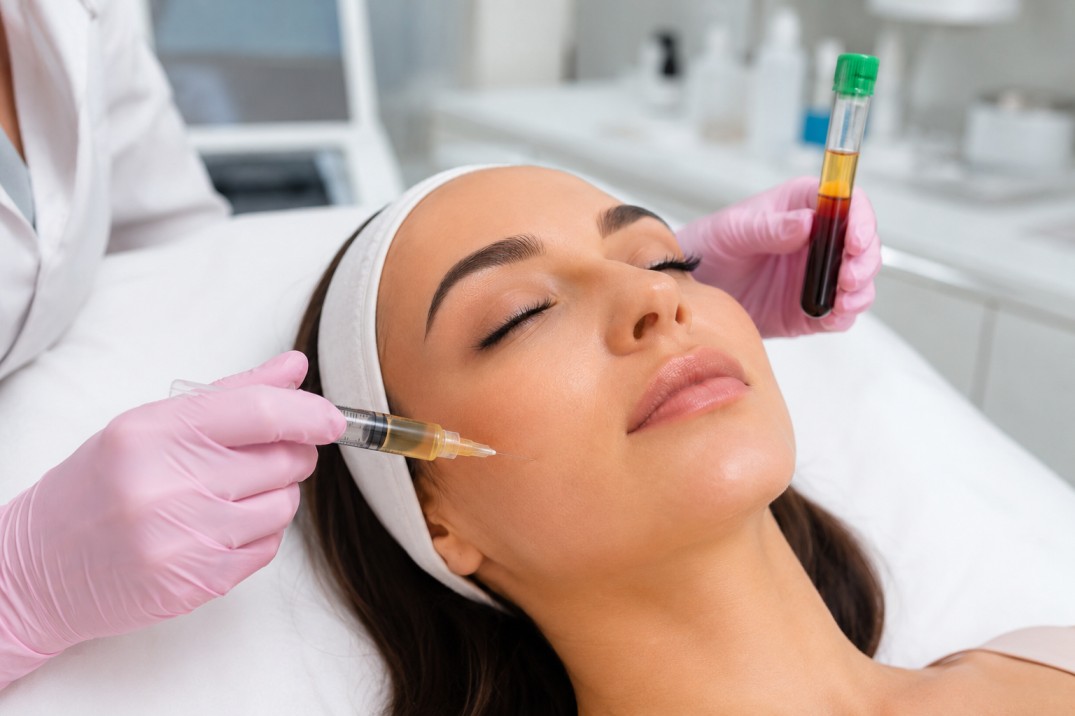
Platelet-rich plasma is a concentration of platelets and growth factors obtained by centrifuging a small sample of the patient’s blood. Platelets release signaling proteins that are associated with wound healing and collagen formation. In aesthetic dermatology, PRP is applied to the face either by superficial injection or after controlled skin micro-injury such as microneedling to encourage a reparative response.
Common applications for facial rejuvenation
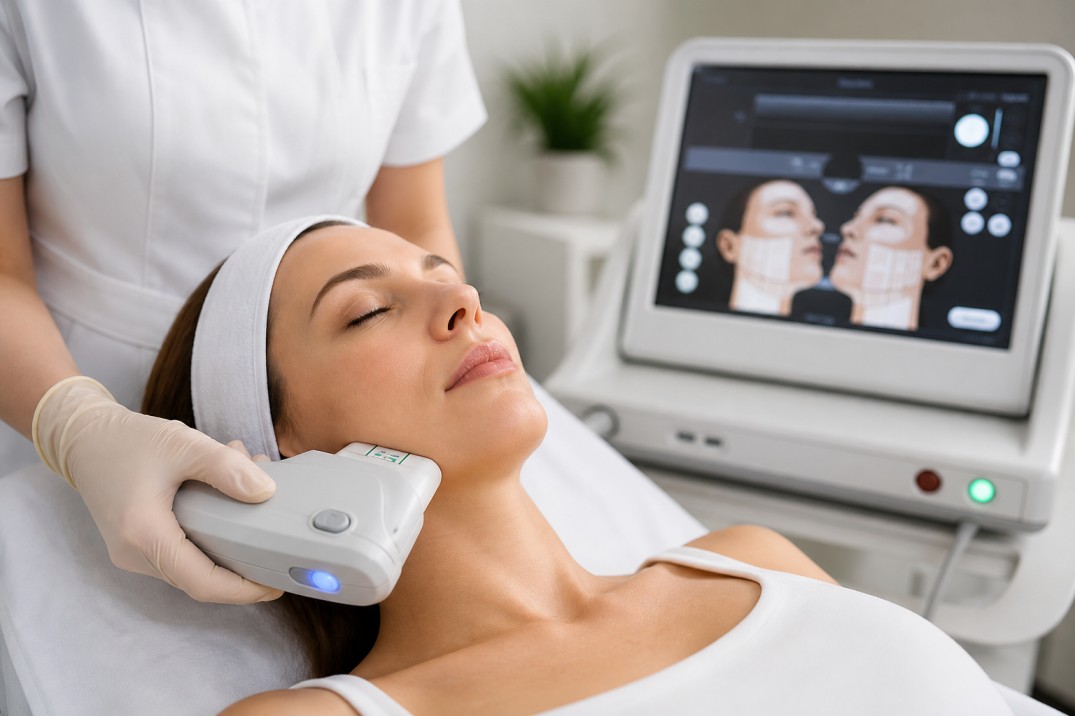
PRP is used to address concerns such as fine lines, uneven texture, mild skin laxity, and an overall loss of radiance. It is sometimes combined with microneedling, laser therapy, or dermal fillers to enhance results. Treatment plans vary by clinic and the patient’s skin condition.
Procedure: what to expect
Pre-procedure steps
Typical preparation includes a medical history review and an evaluation of skin condition. A small blood draw is performed on-site and processed by centrifugation to isolate the platelet-rich layer.
During the session
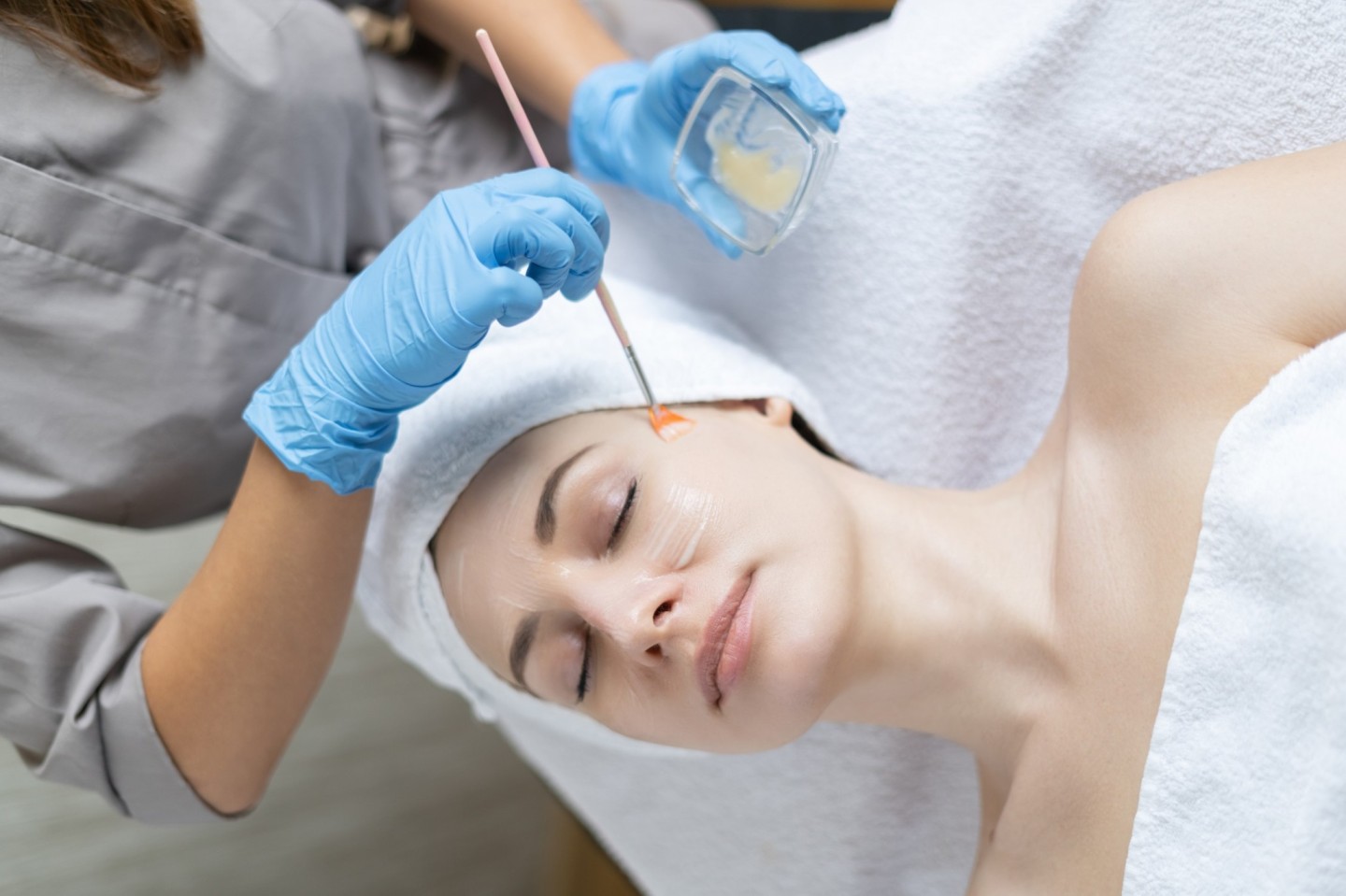
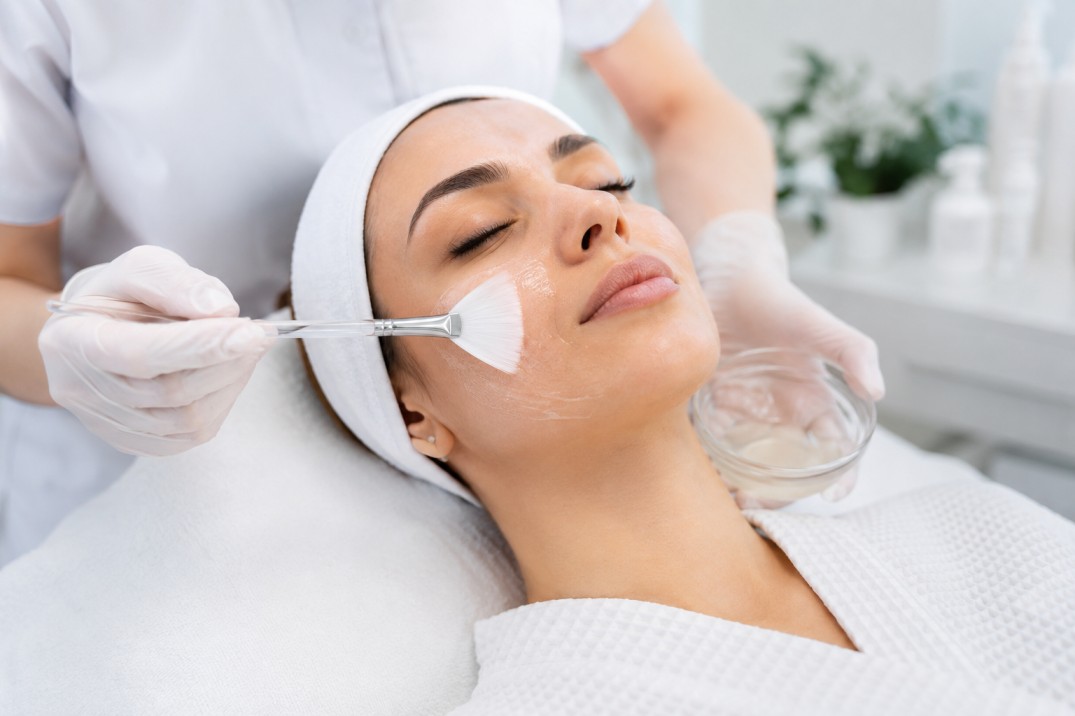
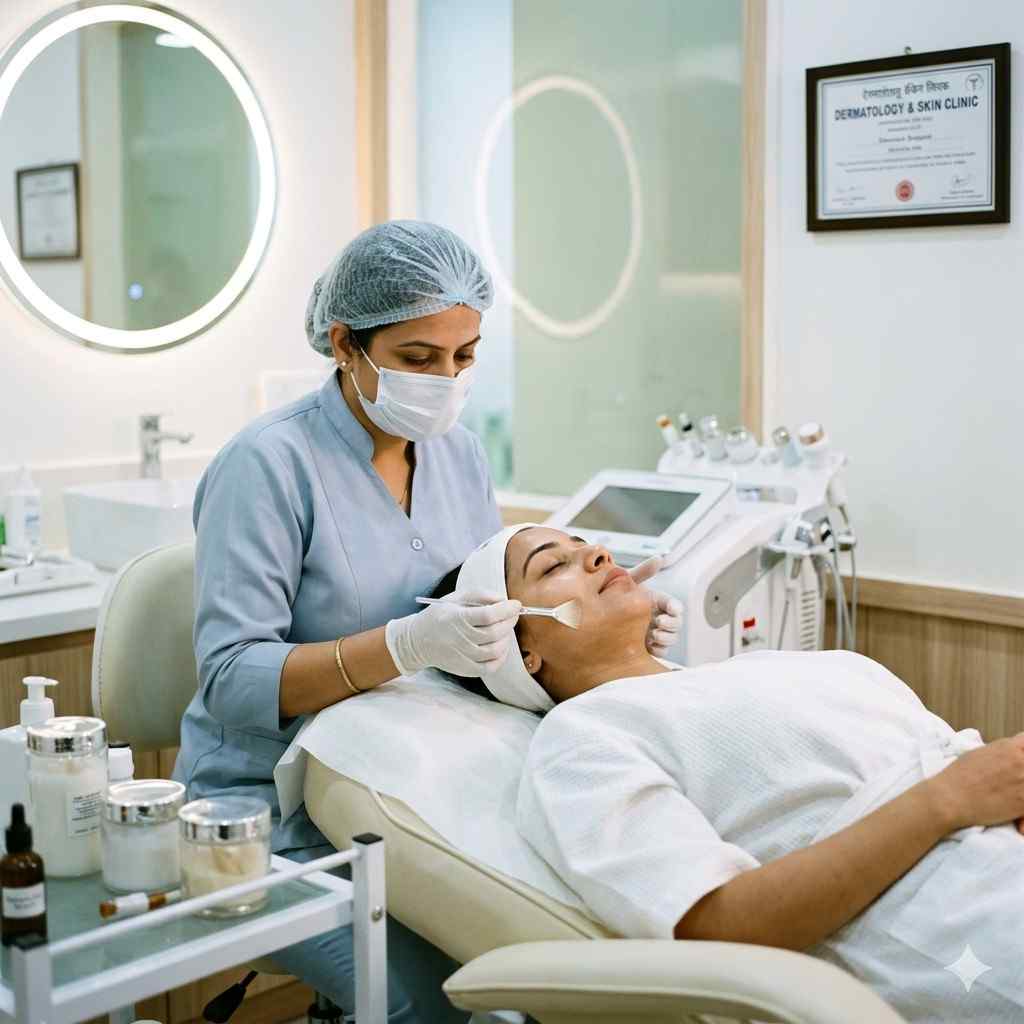
PRP may be injected into targeted facial areas or applied topically after microneedling. Sessions commonly last 30–60 minutes. Local anesthetic creams or topical numbing can be used to reduce discomfort.
Post-procedure and results timeline
Mild redness, swelling, or pinpoint bleeding are common immediately after treatment. Visible improvements in skin texture and tone commonly develop over weeks as collagen remodeling occurs. Multiple sessions spaced several weeks apart are sometimes recommended for optimal results.
Who is a suitable candidate?
General suitability
Individuals seeking mild to moderate improvement in skin quality and who are in generally good health are typical candidates. Certain medical conditions, bleeding disorders, or use of anticoagulant medications may affect suitability. A thorough clinical assessment is important for appropriate selection.
Benefits, risks, and evidence
Potential benefits
Reported benefits include improved skin texture, reduced fine lines, and enhanced glow. Because PRP is autologous (from the patient’s own blood), allergic reactions to the product itself are rare.
Risks and common side effects
Risks include infection, bruising, localized pain, and inconsistent cosmetic outcomes. The quality of results depends on factors such as practitioner technique, device used for centrifugation, and realistic expectations.
Evidence base
Clinical studies have evaluated PRP for dermatologic use with mixed but generally favorable results for specific indications. Systematic reviews in dermatology journals note variability in protocols and the need for standardized methods to compare outcomes. Evidence continues to evolve as more controlled trials are published.
Choosing a clinic in Riyadh and regulatory considerations
Credentials and standards
When comparing providers in Riyadh, consider clinician training in dermatology or plastic surgery, clinic accreditation, and infection-control standards. Facilities should follow recognized medical protocols for blood handling and sterile injections.
Local regulation and patient resources
Regulatory guidance and health facility licensing in Saudi Arabia are managed by national health authorities. Additional information about health regulation and facility oversight can be found through official channels such as the Ministry of Health: https://www.moh.gov.sa.
Practical considerations
Cost and session planning
Costs vary widely based on the clinic, the number of sessions, and whether PRP is combined with other treatments. Treatment planning commonly includes an initial consultation and a recommended course tailored to skin condition.
Aftercare and recovery
Aftercare may include brief downtime, sun protection, and temporary avoidance of strenuous activity until immediate inflammation subsides. Specific aftercare instructions should be provided by the treating clinic.
Summary
PRP facials aim to enhance facial radiance by using a patient’s own concentrated platelets to stimulate tissue repair and collagen production. Outcomes vary and depend on clinical technique, treatment protocol, and individual healing responses. Evaluating provider credentials, infection-control measures, and local regulatory compliance is a key part of selecting a clinic in Riyadh.
Frequently asked questions
Is PRP in Riyadh safe?
Safety depends on proper patient selection, sterile technique, and clinician qualifications. When performed in an appropriately equipped medical setting by trained professionals, the procedure has a relatively low rate of serious complications. Local regulations and facility licensing should be verified prior to treatment.
How many PRP sessions are typically needed?
The number of sessions depends on treatment goals and clinical protocol. Some patients notice improvements after a single session, while others follow a series of 2–4 treatments spaced several weeks apart for cumulative effects.
How long do results usually last?
Results vary. Improvements in skin texture and glow may last months, but maintenance treatments are commonly scheduled periodically to sustain effects.
Can PRP be combined with other cosmetic procedures?
PRP is often combined with microneedling, lasers, or fillers to enhance outcomes. Combination approaches influence recovery time and should be planned by a qualified clinician.
What should be asked during a consultation?
Questions about practitioner experience, sterile technique, expected outcomes, potential risks, and a clear cost estimate are appropriate. Request information about how blood is processed and whether the clinic is licensed by local health authorities.