Psychological Interview Questions: What to Expect and How to Prepare
-

- Published Updated
- 110 views

You have polished your CV, researched the company, and rehearsed your answers about your experience. Then the interviewer leans forward and asks, "How do you react when you feel overwhelmed?" or "What would your closest colleague say is your biggest flaw?" Suddenly, the interview feels less like a discussion about your skills and more like a window into your personality.
These are psychological interview questions, and they are becoming a standard part of modern hiring. This guide explains what they are, why employers use them, the main types you will meet, and how to prepare so you can answer with clarity and confidence.
What Are Psychological Interview Questions?
Psychological interview questions are designed to reveal how you think, behave, and respond to pressure, rather than simply what you have done. They explore your personality traits, values, motivations, emotional intelligence, and decision-making style.
Unlike technical questions, which test knowledge, psychological questions look for patterns. An interviewer wants to know whether you will collaborate well, handle setbacks, accept feedback, and fit the culture of the team. Because there is rarely a single correct answer, these questions can feel intimidating. In reality, they are an opportunity to show the person behind the qualifications.
Why Employers Ask Them
Skills can be taught, but attitude and temperament are much harder to change. Hiring someone who looks perfect on paper but struggles with teamwork or stress can be costly, so employers use psychological questions to reduce that risk.
They also help recruiters predict future behaviour. Past behaviour is considered one of the best indicators of how a person will act in similar situations later, which is why so many of these questions ask you to describe real experiences. Finally, they help assess cultural fit. A candidate who thrives in a fast-moving startup may find a highly structured corporate environment frustrating, and the reverse is equally true.
The Main Types of Psychological Questions
Personality questions. These explore your natural tendencies. Examples include "How would you describe yourself in three words?" and "Are you more comfortable working alone or in a team?"
Behavioural questions. These ask for specific examples from your past, such as "Tell me about a time you disagreed with a manager" or "Describe a situation where you failed and what you learned."
Situational questions. These present a hypothetical scenario, like "What would you do if two colleagues blamed each other for a missed deadline?" They test judgement and problem-solving.
Stress questions. Some interviewers deliberately apply pressure with challenging questions such as "Why should we not hire you?" to see how calmly you respond.
Motivational questions. These uncover what drives you: "What gets you out of bed in the morning?" or "Where do you see yourself in five years?"
Emotional intelligence questions. These look at self-awareness and empathy, for example "How do you handle criticism?" or "How do you support a teammate who is struggling?"
Common Examples and How to Approach Them
"What is your biggest weakness?"
Choose a genuine but manageable weakness, explain the steps you are taking to improve, and show progress. For example, you might say you used to struggle with delegating, so you now use task-planning tools and hand over responsibilities earlier in a project. Avoid disguised strengths such as "I work too hard," which interviewers hear constantly.
"How do you handle stress?"
Describe practical strategies rather than claiming you never feel stressed. Mention prioritising tasks, taking short breaks, or communicating early when workloads become unrealistic, then give a brief example of it working.
"Tell me about a time you made a mistake."
Be honest. Explain what happened, take responsibility without blaming others, and focus most of your answer on what you changed afterwards. Employers value accountability far more than perfection.
"How would your colleagues describe you?"
Base your answer on real feedback you have received. Mentioning a comment from a past appraisal or manager adds credibility.
"How do you deal with conflict?"
Show that you stay calm, listen first, and look for a solution that works for everyone. Use a concrete example where a disagreement ended with a better outcome.
Use the STAR Method
The STAR method is one of the most reliable tools for structuring answers, especially to behavioural questions:
- Situation: Set the scene briefly.
- Task: Explain your responsibility.
- Action: Describe exactly what you did.
- Result: Share the outcome, ideally with a measurable result.
For instance, if asked about handling pressure, you might describe a project that lost a team member two weeks before launch (Situation), your role in redistributing work (Task), how you reorganised priorities and held daily check-ins (Action), and the fact that the project launched on time with positive client feedback (Result). Keep each answer to roughly one to two minutes.
A Practical Preparation Plan
1. Know yourself. Write down your strengths, weaknesses, values, and working style. Ask friends or former colleagues how they would describe you, because their answers often reveal traits you overlook.
2. Collect real stories. Prepare five to seven examples from work, study, or volunteering that show teamwork, leadership, resilience, problem-solving, and learning from failure. One strong story can often be adapted to several different questions.
3. Research the employer. Read the job description and company values carefully. If the organisation emphasises collaboration, choose examples that highlight teamwork. If it prizes innovation, lean towards stories where you suggested improvements.
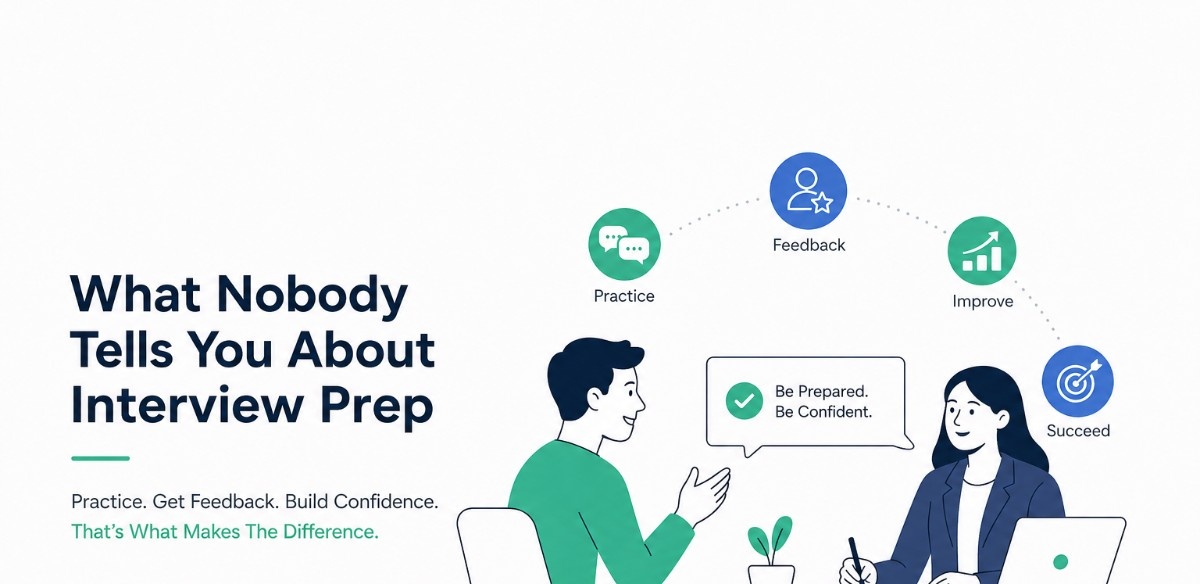
4. Practise aloud. Rehearsing in front of a mirror, with a friend, or by recording yourself helps you notice filler words, rambling, and nervous habits. Do not memorise scripts word for word, as this can sound robotic.
5. Prepare for psychometric tests. Many employers pair interviews with personality or situational judgement tests. Answer honestly and consistently, since these tools are designed to detect contradictions.
Mistakes to Avoid
- Giving "perfect" answers. Claiming you have no weaknesses or have never experienced conflict damages trust.
- Being vague. General statements such as "I am a good communicator" mean little without an example.
- Speaking negatively about past employers. Even if your experience was difficult, stay professional and focus on what you learned.
- Ignoring body language. Eye contact, an open posture, and a steady tone all communicate confidence and sincerity.
- Rushing. It is perfectly acceptable to pause for a moment before answering a difficult question.
- Giving "perfect" answers. Claiming you have no weaknesses or have never experienced conflict damages trust.
- Being vague. General statements such as "I am a good communicator" mean little without an example.
- Speaking negatively about past employers. Even if your experience was difficult, stay professional and focus on what you learned.
- Ignoring body language. Eye contact, an open posture, and a steady tone all communicate confidence and sincerity.
- Rushing. It is perfectly acceptable to pause for a moment before answering a difficult question.
Managing Nerves on the Day
Feeling anxious before an interview is normal. Sleep well the night before, arrive early, and take a few slow breaths before you walk in. If your mind goes blank, ask the interviewer to repeat the question or take a moment to gather your thoughts. Remember that the interviewer wants you to succeed, since finding the right candidate ends their search.
Advice for Graduates and First-Time Applicants
If you are new to the job market, psychological questions can feel especially daunting because you may lack a long work history. The good news is that interviewers do not expect lengthy careers from graduates. Examples from university projects, society leadership, part-time jobs, sports teams, and volunteering all demonstrate the same qualities.
It also helps to get your written application in order first, since your CV often shapes the questions you are asked. Some graduates choose to work with a Graduate resume writer for hire to make sure their academic achievements, internships, and transferable skills are presented clearly, which makes it easier to talk about them confidently later.
Let Your CV and Interview Work Together
Your CV and your interview answers should tell the same story. If your CV highlights leadership, expect questions about leading others. If it shows a career change, be ready to explain your motivation. Reviewing every line of your CV before the interview, and preparing a short story behind each major achievement, will make your answers feel natural and consistent.
Many job seekers find that an experienced CV Writing Service helps them identify their strongest achievements and present them in a way that prompts the right conversation in the interview room. Others prefer a CV making service that restructures an existing document, which can be a quick way to refresh your application before a round of interviews. Either route can help ensure your paperwork supports your personality rather than working against it.
After the Interview
Send a short thank-you message within 24 hours, reiterating your interest and mentioning a point from the conversation. Then reflect on which questions felt difficult, and note them down. Every interview, successful or not, gives you material to refine your answers for the next one.
Final Thoughts
Psychological interview questions may feel personal, but they are simply a structured way for employers to understand how you work with others and handle challenges. With self-awareness, a bank of real examples, and regular practice using the STAR method, you can turn them from a source of anxiety into a chance to stand out.
Stay honest, stay specific, and remember that your goal is not to give a flawless answer but an authentic one. Candidates who show thoughtfulness, accountability, and a willingness to learn leave a lasting impression, and that is often what turns a good interview into a job offer.