Punjabi Kadhi Pakoda: Origins, Ingredients, Flavour and Traditional Preparation
-

- September 22nd, 2026
- 1,728 views
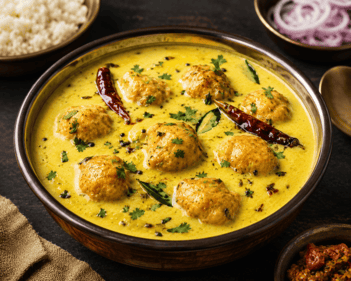
There are some Indian dishes that feel like restaurant food, and then there are dishes that feel like someone has put a proper meal on the table at home. Kadhi Pakoda belongs firmly in the second category.
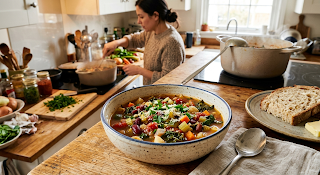
It is tangy, creamy, gently spiced and full of contrast. The yoghurt-based kadhi is soft and silky, while the pakodas bring a little bite and soak up the curry as they sit in it. For many Punjabi families, a bowl of kadhi with rice is less about fancy presentation and more about comfort.
That simplicity is also what makes the dish interesting.
Where Does Kadhi Come From?
Kadhi is found in several parts of India, but it changes quite noticeably from one region to another. Its exact origin is difficult to pin down, although food historians commonly associate early forms of kadhi with western India, particularly Rajasthan. Traditional versions developed around yoghurt or buttermilk combined with a flour used to thicken the mixture.
As the dish travelled between communities, different regions gave it their own character.
Punjabi kadhi became known for a thicker, creamier consistency and the addition of besan pakoras. Gujarati kadhi, by comparison, is generally lighter and can have a noticeable sweet-and-sour profile. These differences are a good reminder that there isn't one single definition of “authentic Indian kadhi”. Indian cooking is deeply regional.
What Makes Punjabi Kadhi Pakoda Different?
The first thing you'll notice is the texture.
Punjabi kadhi isn't meant to be watery. The yoghurt and gram flour mixture is cooked slowly until it develops body, while the pakoras soften gradually after being added.
The flavour is equally important. The yoghurt provides the characteristic sourness, besan adds depth and body, and the tempering brings the aroma.
Common ingredients include:
- Yoghurt or dahi
- Besan (gram flour)
- Cumin
- Fenugreek seeds
- Turmeric
- Asafoetida
- Dried red chilli
- Ginger
- Green chilli
- Fresh coriander
The exact combination varies from household to household. That's part of the charm of Punjabi cooking. Two families can use broadly the same ingredients and still produce noticeably different versions.
Why Are Pakodas Added?
This is where the dish becomes something more than a yoghurt curry.
Pakodas are usually made with besan and ingredients such as onion and spices. They're fried until they develop a firm outer texture before being placed into the simmering kadhi.
Once they're in the curry, they absorb the surrounding sauce.
The result is a combination of soft, tangy gravy and tender, flavour-filled pakoda. Leaving the pakodas in the kadhi for longer makes them softer; adding them closer to serving keeps more of their texture.
It's a small detail, but it makes a difference to the finished dish.
The Importance of Tempering
If you've ever wondered why Indian food can smell so different from the moment it hits the table, tempering is part of the answer.
A small amount of oil or ghee is heated, and whole spices are added so their aromas are released. For kadhi, cumin, fenugreek seeds, dried chillies and asafoetida can be used, depending on the regional or family recipe.
This mixture is then added to the cooked kadhi.
That final hit of aromatic spice gives the dish much of its character. It isn't simply about making the food hotter. It's about bringing out fragrance and depth.
What Does Authentic Punjabi Kadhi Pakoda Taste Like?
A well-made Punjabi kadhi should have balance rather than just heat.
You get the gentle sourness of yoghurt first, followed by the earthy flavour of besan and spices. The tempering adds warmth and aroma, while the pakodas provide another texture.
The dish can be comforting without being overly rich.
That's one reason it works so well as an everyday meal with rice. You don't need a dozen accompaniments to make it satisfying.
Kadhi Chawal: The Classic Pairing
For many people familiar with Punjabi home cooking, kadhi and rice simply belong together.
Soft steamed rice provides a neutral base for the strongly flavoured curry. When the kadhi soaks into the rice, the tangy gravy and aromatic tempering become even more noticeable.
Some households enjoy kadhi with roti as well, but kadhi chawal remains one of the most recognisable ways to enjoy the dish.
It's the sort of meal that doesn't need much explaining to someone who grew up eating it.
What Gives Punjabi Food Its Distinctive Character?
Punjabi cuisine isn't defined by chilli alone.
Its character comes from the way ingredients are layered. Onions, tomatoes, ginger, garlic, yoghurt, lentils, vegetables, dairy and whole spices all play different roles.
Another important factor is the cooking method.
Slow simmering allows flavours to develop gradually. Proper tempering releases the oils in whole spices. Fresh herbs provide contrast at the end.
This is why replacing fresh ingredients with heavily processed alternatives can change the character of a dish even when the recipe looks almost identical on paper.
Why Home-Style Cooking Still Matters in Melbourne
Indian food in Melbourne covers a huge range of regional cuisines and restaurant styles. That's a great thing for food lovers, but everyday eating is different from going out for a special meal.
When people are looking for tiffin, they're often after something they can eat regularly.
A home-style meal needs to be:
- Familiar enough to enjoy frequently
- Properly portioned
- Freshly prepared
- Balanced in flavour
- Suitable for everyday eating
- Varied rather than repetitive
This is where the traditional tiffin concept makes sense.
How Shaan-A-Punjab Approaches Vegetarian Punjabi Food
This is the space Shaan-A-Punjab specialises in.
The business operates from Melbourne and focuses on fresh, homemade Indian food with a strong Punjabi influence, rather than building its menu around meat-based dishes. Its tiffin service is designed around freshly prepared meals, vegetables, lentils and traditional Indian flavours, with little oil used in preparation. Pick-up is also available.
The menu includes vegetarian favourites such as Kadhi Pakoda, Butter Paneer Tikka Masala, Fried Aloo Gobi, Methi Malai Matar, Dal Makhani, Special Thali, Soya Chaap Thali, Choley Bhature, Paneer Stuffed Bhatura and Rumali Roti.
That range matters because Punjabi food isn't just one famous curry. It includes lentils, vegetables, paneer, breads, snacks and complete thali-style meals.
Shaan-A-Punjab currently lists Craigieburn, Truganina, Mickleham, Donnybrook, Tarneit and Melbourne among its service areas. If you're outside these areas, checking availability by postcode is the sensible option rather than assuming delivery is available everywhere.
What Should You Look For in a Good Punjabi Tiffin?
If you're comparing tiffin services in Melbourne, don't just look at how many dishes are on the menu.
Look at how the food is prepared.
Ask yourself:
- Is the food freshly prepared?
- Is there enough variety during the week?
- Are vegetables and lentils part of the regular menu?
- Are spices balanced for everyday eating?
- Does the food taste like a complete meal rather than separate takeaway items?
- Is the delivery area suitable for your postcode?
- Are pick-up options available?
These details tell you much more about a tiffin service than a long menu ever will.
A Dish That Represents Punjabi Home Cooking
Kadhi Pakoda has survived because it doesn't try too hard.
It takes yoghurt, besan, spices and a simple pakoda and turns them into something deeply satisfying. Its regional variations show how Indian food changes from one community to another, while the Punjabi version has developed its own unmistakable identity.
For anyone exploring vegetarian Punjabi food in Melbourne, it's one dish worth understanding rather than simply ordering.
And if you're interested in trying the broader style of food behind dishes like Kadhi Pakoda, Shaan-A-Punjab offers a vegetarian Punjabi-focused menu and tiffin service across its listed Melbourne service areas.
Explore the menu and check your service availability:
https://www.shaanapunjab.com.au/