Quick Authentic Tel Pitha Recipe — Easy Assamese Oil Pitha at Home
-

- Published Updated
- 1,622 views
Introduction
This easy tel pitha recipe shows how to make traditional Assamese oil pitha (tel pitha) using rice flour, jaggery or sugar, and simple kitchen oil. Tel pitha is a fried or shallow-fried sweet pancake commonly prepared during festivals such as Magh Bihu and has a soft, slightly crisp texture with a sweet filling. The instructions below suit home kitchens and use common pantry ingredients.
- Prep time: 15 minutes
- Cook time: 10–15 minutes
- Servings: 6–8 tel pithas
- Cuisine: Assamese, Northeastern Indian
- Main ingredients: rice flour, jaggery (or sugar), oil
easy tel pitha recipe: Ingredients and tools
Ingredients
- 1 cup rice flour (preferably fine, roasted rice flour if available)
- 1/2 cup grated jaggery or 1/3 cup powdered sugar (adjust to taste)
- 1/2 cup warm water (adjust for dough consistency)
- 2–3 tablespoons neutral oil (for dough and frying; mustard oil can be used for traditional flavor)
- Pinch of salt
- Optional: cardamom powder (1/4 teaspoon) or sesame seeds for garnish
Tools
- Mixing bowl
- Rolling surface or parchment paper
- Small skillet or nonstick pan for shallow frying
- Spatula and measuring spoons/cups
Step-by-step method
1. Prepare the sweet filling
Grate jaggery and heat gently with 1–2 tablespoons of water in a small pan until it melts to a syrup. Strain to remove impurities if needed. Allow the syrup to cool slightly, then mix in cardamom powder if using. For a dry filling, combine powdered jaggery with a little roasted rice flour until it binds into a slightly crumbly mixture.
2. Make the dough
Combine rice flour and a pinch of salt in a bowl. Add warm water gradually and mix to form a soft, pliable dough similar to chapati dough but slightly more tender. Add 1 teaspoon of oil and knead briefly. If rice flour feels too dry, wet the palms and press the dough to test consistency.
3. Shape the tel pitha
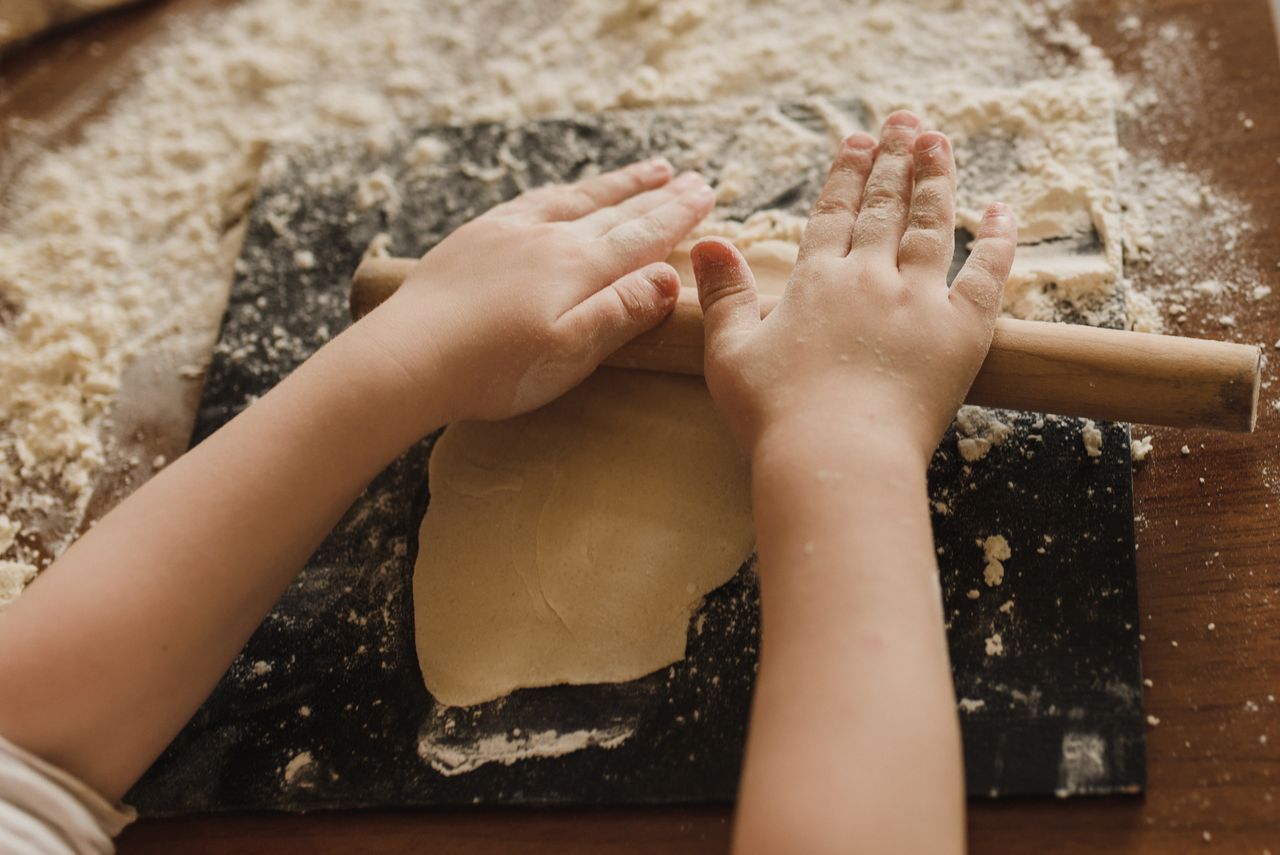
Divide the dough into equal portions (about lemon-sized). Roll each portion into a ball and flatten gently on a lightly oiled surface or between two sheets of parchment to form small discs (3–4 inches). Place a teaspoon of the jaggery filling in the center of each disc, fold the edges over and seal to form a half-moon or pat into a round stuffed pancake, depending on preference.
4. Cook the tel pitha
Heat a skillet over medium heat and add a thin layer of oil for shallow frying. Place the shaped pithas into the pan and cook until golden brown on each side, pressing gently with a spatula for even contact. Total cooking time is typically 2–4 minutes per side depending on thickness. Drain on paper towels to remove excess oil.
5. Serve
Serve tel pitha warm. These are traditionally enjoyed at breakfast or during festive meals, often with tea. Optionally garnish with sesame seeds or a dusting of powdered sugar.
Tips, variations, and substitutions
Tips for best texture
- Use fresh rice flour or gently roast store-bought rice flour for a nuttier flavor and to reduce rawness.
- Keep the dough soft but not sticky; a slightly drier dough makes filling and shaping easier.
- Control pan temperature: moderate heat allows filling to warm through without burning the exterior.
Variations
- Sweet coconut tel pitha: mix grated coconut with jaggery for a moist filling.
- Savory version: omit jaggery and fill with spiced mashed lentils or vegetables for a savory pitha.
- Baked or pan-dry option: brush with oil and lightly pan-roast for a lower-oil version.
Substitutions
- Rice flour: a blend of rice and a small amount of wheat flour can improve pliability for some cooks.
- Jaggery: brown sugar or cane sugar can be used, but jaggery gives a characteristic flavor typical of Assamese sweets.
Storage and food safety
Cool tel pitha completely before storing in an airtight container. At room temperature, consume within 1–2 days. Refrigerate for up to 4–5 days and reheat briefly in a skillet to restore texture. For longer storage, freeze individually wrapped pithas for up to one month and reheat from frozen. Follow local food safety guidance for storage and reheating; consult resources such as the Food and Agriculture Organization for general food handling recommendations: Food and Agriculture Organization.
Cultural context
Tel pitha is part of the rich culinary traditions of Assam and Northeast India, commonly associated with harvest celebrations like Magh Bihu. Traditional recipes vary by household and region, with some families preferring more jaggery, coconut additions, or alternate frying oils. Cultural institutions and regional food studies document pitha varieties as significant elements of festival cuisine.
Nutrition note
Tel pitha provides calories from rice flour and sweeteners and may contribute carbohydrates and fats depending on preparation. For more detailed nutritional guidance, consult registered dietitians or national nutrition institutes such as the Indian Council of Medical Research — National Institute of Nutrition for region-specific recommendations.
FAQ
Is this an authentic easy tel pitha recipe for Assamese pitha?
Yes. This recipe follows the traditional components of Assamese tel pitha—rice flour, sweet filling, and shallow frying—while simplifying steps for home cooks. Regional and family variations exist.
Can rice flour be substituted for all-purpose flour?
Substituting all-purpose flour changes texture and taste. Rice flour creates the characteristic soft and slightly grainy texture of tel pitha. A small addition of wheat flour can improve pliability but will produce a different result.
What is the best oil to use for tel pitha?
Neutral oils like vegetable or sunflower oil work well. Mustard oil is traditional in some Assamese households and gives a distinctive flavor; use according to preference and tolerance for pungency.
How can tel pitha be made with less oil?
Use a nonstick pan and minimal oil for shallow frying, or bake the shaped pithas at moderate temperature until golden. Results will differ from deep-fried versions but reduce added fat.
Can tel pitha be made vegan?
Yes. The recipe as presented is inherently vegan if jaggery or sugar is used and no dairy is added.
How long do leftovers keep and how should they be reheated?
Store leftovers in an airtight container for 1–2 days at room temperature or up to 4–5 days refrigerated. Reheat briefly in a skillet to restore crispness or warm in a toaster oven.