Why Is Real Estate Tokenization Gaining Attention as Businesses Explore Fractional Ownership and Better Digital Asset?
-

- Published Updated
- 108 views
The real estate industry is exploring new ways to connect traditional property ownership with blockchain-powered digital infrastructure.This initiative focuses on evaluating market efficiency, operational readiness, transparency, and investor protection within a regulated pilot framework.
This development highlights an important direction for Real Estate Tokenization: building digital property ecosystems that support not only token issuance but also ownership management and potential resale mechanisms.
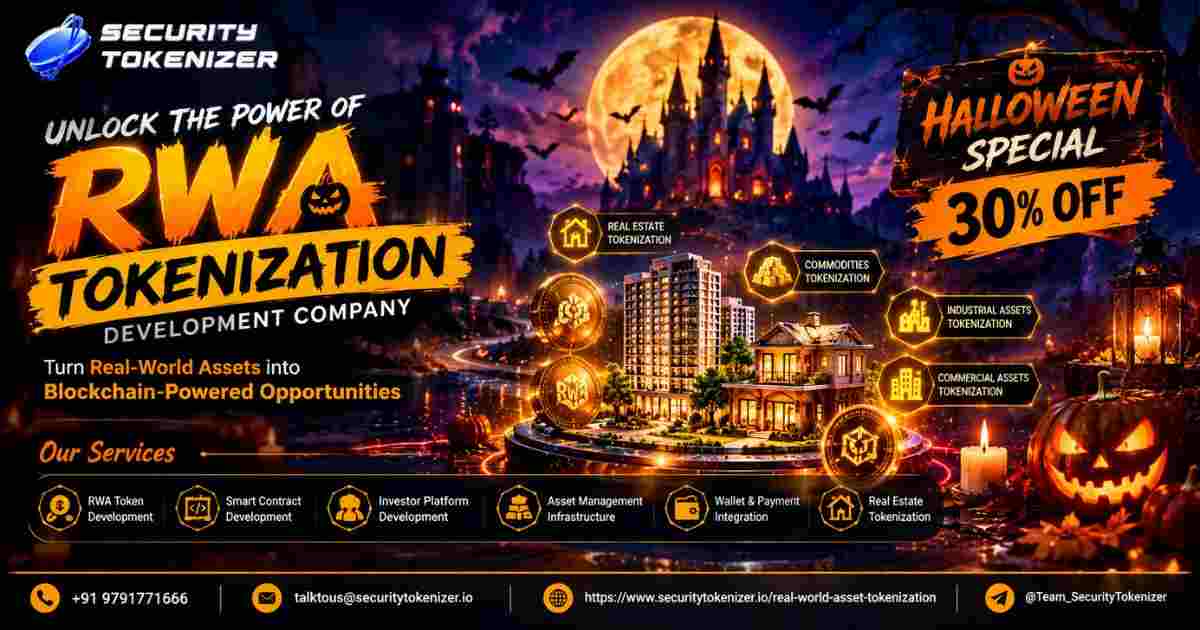
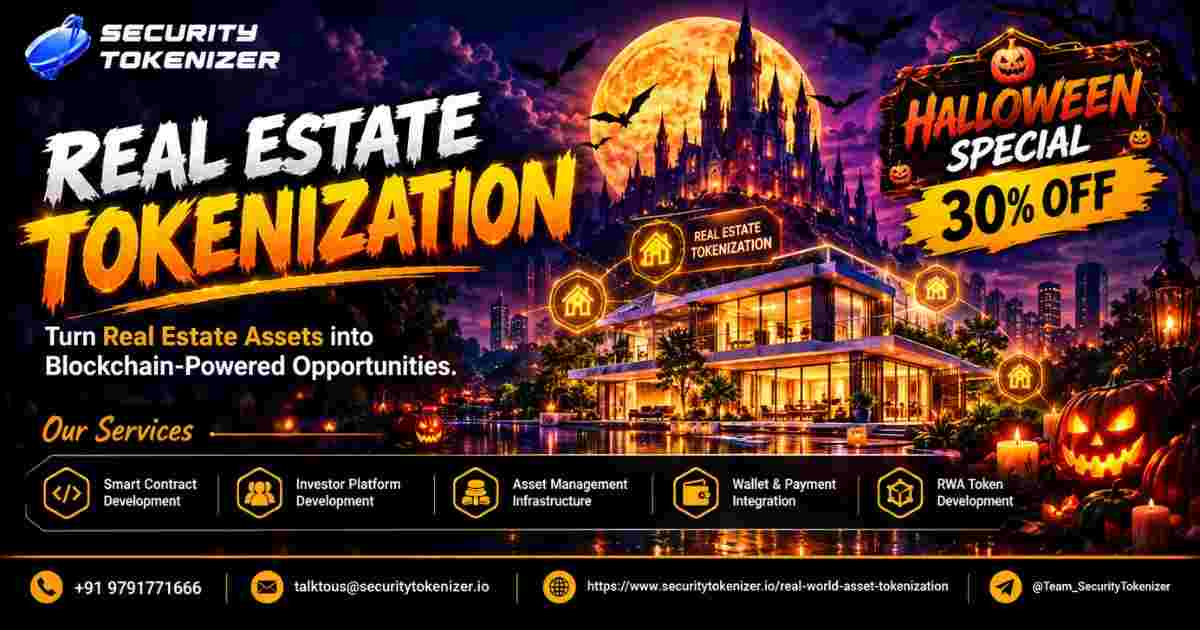
🎃 Halloween Special: Get 30% OFF
Explore new possibilities in digital property development with Security Tokenizer’s exclusive Halloween 30% OFF offer. Take the next step toward building a customized Real Estate Tokenization platform with features designed around your business vision.
The Evolution of Digital Property Markets
For businesses, Real Estate Tokenization represents eligible property interests through blockchain-based digital tokens. Depending on the legal and technical structure, these tokens can support fractional ownership models, transparent transaction records, and digitally managed investment processes.
This approach creates opportunities to develop modern property investment platforms with integrated token management, smart contracts, investor dashboards, and transaction infrastructure.
Next-Gen Real Estate Tokenization Services
Property Tokenization Development : Customized development solutions can represent eligible real estate interests through digital tokens, with token structures designed around business objectives, ownership arrangements, and applicable legal requirements.
Smart Contract Development : Token issuance, ownership transfers, transaction rules, distribution mechanisms, and predefined processes can be automated through Smart Contract Development, supporting transparent, consistent, and efficient execution across blockchain-based real estate tokenization platforms.
Tokenized Real Estate Marketplace : Dedicated marketplace development can provide property listings, asset information, investor interfaces, token participation tools, and transaction management features within an appropriate regulatory framework.
Investor Platform Development : Investor platforms can organize property details, token holdings, transaction histories, portfolio information, and account dashboards to provide a structured digital experience.
Wallet and Payment Integration : Wallet connectivity and suitable payment integrations can support token transactions and simplify interactions between users and the platform.
Smart Features for Digital Property Markets
Fractional Ownership Support: Eligible property interests can be represented through smaller digital units, allowing platforms to accommodate structured fractional ownership models.
Transparent Ownership Records: Blockchain-based transaction records can improve traceability and provide a clearer view of token transfers and ownership-related activity.
Automated Transaction Workflows: Smart contracts can execute predefined conditions for selected processes, helping reduce repetitive manual tasks.
Secondary-Market Functionality: Resale features can support eligible transfers between participants, subject to platform rules, legal requirements, and market availability.
Digital Portfolio Management: Organized dashboards can help investors and administrators monitor token holdings, transaction activity, and property-related information.
Business Benefits of Tokenized Real Estate
Broader Investment Accessibility:
Fractional ownership models may enable participation through smaller property interests, depending on the offering structure and applicable requirements.
Improved Process Efficiency:
Connected blockchain workflows and smart contracts can streamline selected activities, from token issuance to ownership updates.
Enhanced Transparency:
Verifiable transaction histories can provide greater visibility into digital asset movements and support structured asset management.
Flexible Ownership Models:
Businesses can explore digital representations of property interests that complement traditional real estate investment structures.
Better Digital Investor Experience:
Integrated platforms can bring asset information, ownership records, transaction history, and portfolio tools into a unified environment.
Why Choose Security Tokenizer for Real Estate Tokenization?
Security Tokenizer provides customized blockchain development solutions for businesses exploring digital property markets. Its service capabilities include property token development, smart contract development, blockchain integration, investor platforms, marketplace infrastructure, and wallet connectivity.
As a blockchain-focused Token Development Company, Security Tokenizer can help businesses plan digital asset platforms around their operational goals, technical requirements, and intended ownership models.
Blockchain-based transaction records can improve traceability and provide a clearer view of token transfers and ownership-related activity. Token issuance, ownership transfers, transaction rules, distribution mechanisms, and predefined processes can be automated through Smart Contract Development, supporting transparent, consistent, and efficient execution across blockchain-based real estate tokenization platforms.
Investor platforms can organize property details, token holdings, transaction histories, portfolio information, and account dashboards to provide a structured digital experience. Fractional ownership models may enable participation through smaller property interests, depending on the offering structure and applicable requirements.
Eligible property interests can be represented through smaller digital units, allowing platforms to accommodate structured fractional ownership models. Customized development solutions can represent eligible real estate interests through digital tokens, with token structures designed around business objectives, ownership arrangements, and applicable legal requirements. This approach creates opportunities to develop modern property investment platforms with integrated token management, smart contracts, investor dashboards, and transaction infrastructure.