Recruitment CRM Strategies to Streamline Hiring and Build Talent Pipelines
-

- February 23rd, 2026
- 1,102 views

👉 Best IPTV Services 2026 – 10,000+ Channels, 4K Quality – Start Free Trial Now
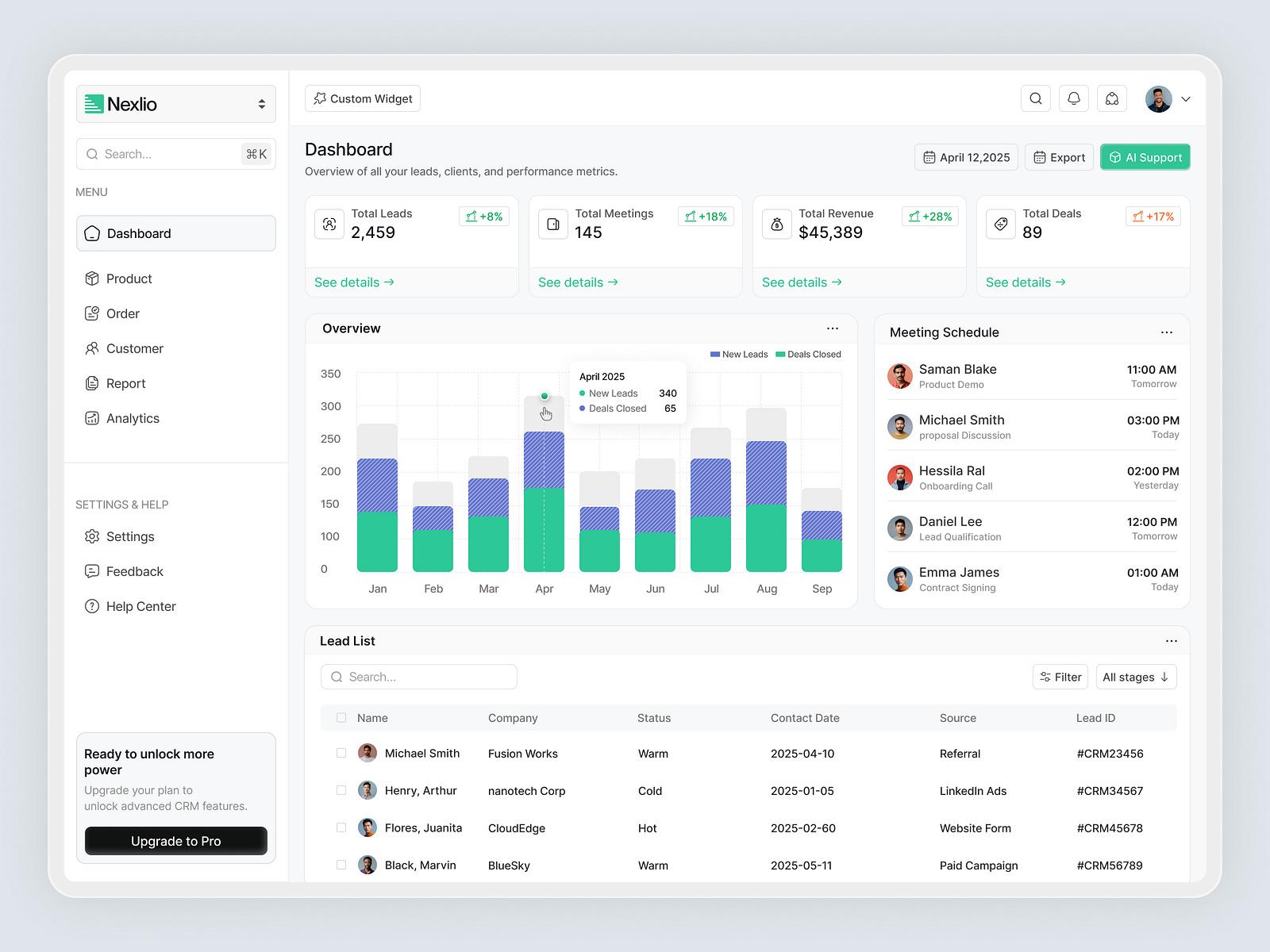
Recruitment CRM platforms help recruiters organize contacts, nurture candidate relationships, and accelerate hiring cycles. A Recruitment CRM centralizes candidate data, tracks communications, and supports proactive sourcing—allowing hiring teams to maintain a talent pipeline rather than react to open roles.
- Recruitment CRM organizes candidate relationships for long-term sourcing and outreach.
- Key benefits include improved candidate experience, reduced time-to-fill, and better reporting.
- Integration with applicant tracking systems, clear workflows, and data governance are essential for success.
What is a Recruitment CRM?
A Recruitment CRM is a software system designed to manage relationships with prospective hires, passive candidates, and alumni. Unlike a traditional Applicant Tracking System (ATS) that focuses on job-centric workflows and active applications, a Recruitment CRM emphasizes candidate engagement over time, talent pooling, and targeted outreach campaigns.
How it complements an ATS
Most recruiting functions use both an ATS and a CRM: the ATS manages job applications and compliance workflows, while the CRM stores leads, tracks long-term interactions, and automates personalized communications. Integration between the two helps preserve data continuity from sourcing through onboarding.
Benefits of a Recruitment CRM
Improve candidate experience
Centralizing communications and candidate history ensures hiring teams respond promptly and consistently. Automated messages and personalized outreach help keep candidates informed and engaged, which can improve offer acceptance rates and employer brand perception.
Accelerate time-to-hire and reduce cost-per-hire
By maintaining a searchable talent pool and using targeted campaigns, teams can fill roles faster with candidates who are already familiar with the organization. Reduced reliance on external job advertising often lowers recruiting costs.
Build a sustainable talent pipeline
Recruitment CRMs enable segmentation of candidates by skills, location, and interest. Continuous nurturing turns passive prospects into active applicants when appropriate openings arise, supporting workforce planning and diversity initiatives.
Key Features to Look For
Candidate database and intelligent search
Robust profile fields, resume parsing, and advanced filtering allow recruiters to find matches quickly. Ability to tag, score, and group candidates supports proactive sourcing.
Automation and multichannel communication
Email templates, campaign scheduling, SMS outreach, and integrations with calendar systems reduce manual work and keep follow-ups consistent. Automation should include safe unsubscribe and privacy controls.
Analytics, reporting, and dashboards
Metrics such as pipeline velocity, conversion rates by stage, source effectiveness, and diversity breakdowns help teams make data-driven decisions and show hiring outcomes to stakeholders.
Integrations and API access
Integration with ATS, HRIS, calendar tools, sourcing platforms, and background check providers helps maintain a single source of truth and reduces duplicate data entry.
Best Practices for Implementation
Define hiring workflows and ownership
Document stages from sourcing through onboarding and assign responsibilities for each step. Clear workflows make it easier to configure automations and reporting.
Integrate with existing HR systems
Connect the CRM to the ATS and HRIS to synchronize candidate status, offer information, and employee records. This prevents siloed data and speeds up onboarding once a hire is confirmed.
Train hiring teams and standardize processes
Provide role-based training for recruiters, hiring managers, and coordinators. Standardize tags, scorecards, and communication templates to ensure consistent use across teams.
Maintain data quality and privacy
Establish rules for data entry, archiving, and deletion. Comply with applicable privacy regulations (for example, GDPR in the EU) and internal retention policies to protect candidate rights.
Measuring Success and Compliance
Key performance indicators
Track metrics such as time-to-fill, time-to-hire, source-to-hire conversion, candidate response rates, and pipeline coverage. Regularly review dashboards to spot bottlenecks and optimize campaigns.
Compliance and fair hiring practices
Recruitment CRMs should support non-discriminatory recordkeeping and reporting. For guidance on equal employment opportunity requirements and record retention, consult the U.S. Equal Employment Opportunity Commission (EEOC): U.S. Equal Employment Opportunity Commission (EEOC). Additionally, align workflows with organizational policies and consult legal or HR compliance experts when needed.
Conclusion
Implementing a Recruitment CRM can transform hiring from a reactive process into a strategic function that builds long-term relationships with talent. With careful selection of features, integrated systems, and defined processes, a Recruitment CRM supports faster hiring, better candidate experiences, and improved workforce planning.
Frequently Asked Questions
What is a Recruitment CRM and how does it differ from an ATS?
A Recruitment CRM focuses on candidate relationships, proactive sourcing, and long-term engagement; an ATS concentrates on processing active applications and managing hiring workflows for open jobs. Both systems are complementary when integrated.
How does a Recruitment CRM improve candidate experience?
By centralizing communications, enabling personalized outreach, and automating timely updates, a CRM reduces delays and keeps candidates informed throughout the hiring journey.
Can a Recruitment CRM help with regulatory compliance?
Yes, when configured properly a CRM can support recordkeeping, consent tracking, and reporting needed for compliance. Organizations should align CRM settings with legal requirements and internal policies and consult relevant regulators or legal counsel for specifics.
What metrics should be tracked after deploying a Recruitment CRM?
Important metrics include time-to-fill, candidate conversion rates by stage, pipeline coverage by role, source effectiveness, and candidate satisfaction scores. Regular review of these indicators supports continuous improvement.