Red Flowers: Symbolism, Types, and Cultural Meanings
-
- Published Updated
- 1,944 views
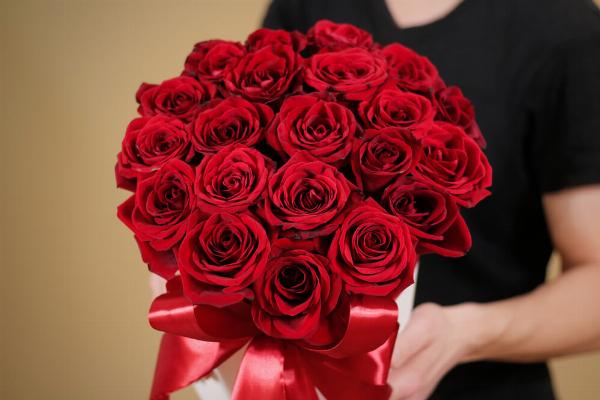
Red flowers meanings are widely recognized across cultures as symbols of strong emotion. From romance to remembrance, red blooms convey a range of messages depending on species, context and cultural history. This guide explains common symbolic meanings for popular red flowers, social traditions linked to their use, and practical notes on gifting and care.
- Red flowers commonly represent love, passion, courage and remembrance.
- Different species—roses, tulips, poppies, carnations—carry specific traditional meanings.
- Context (weddings, funerals, national observances) and cultural norms affect interpretation.
- Simple care and presentation choices influence how a message is received.
Red flowers meanings: common symbolic themes
Red flowers often signal intense emotions. In many Western traditions, red denotes romantic love and passion; in political or historical contexts, red blooms can represent sacrifice, remembrance, or national pride. Color psychology links red with energy, urgency and warmth, while historical floriography (the Victorian language of flowers) assigned more precise messages to specific species and arrangements.
Popular red flowers and their different meanings
Red rose
The red rose is the most widely recognized emblem of romantic love and deep devotion. A single red rose typically signals love at first sight or a simple declaration of affection; a bouquet of a dozen may symbolize long-term commitment. In literature and art, red roses also appear as symbols of beauty, secrecy and sacrifice.
Red tulip
Red tulips traditionally convey perfect or declared love, often with a straightforward, sincere tone. Tulips are also associated with spring and renewal, and their clean shapes make them a popular choice for modern bouquets intended to express warmth without excessive formality.
Red carnation
Red carnations are associated with admiration and deep love. Lighter shades of red may indicate fascination or gratitude. Carnations are durable and commonly used in corsages and massed floral displays for formal events.
Red poppy
Red poppies are strongly linked with remembrance of military casualties in several countries, notably in connection with World War I commemorations. The poppy's association with remembrance comes from historical references and cultural rituals rather than a general romantic meaning.
Gerbera and chrysanthemum
Red gerberas often mean cheerfulness combined with passion, while red chrysanthemums can indicate love in some cultures yet sorrow or mourning in others. Chrysanthemum symbolism varies widely by region: in parts of Asia they are linked to longevity and honor, whereas in some European contexts they appear at funerals.
Peony and anthurium
Peonies in red hues are connected to romantic prosperity, honor and happy marriage in East Asian traditions. Anthuriums—with their glossy red spathes—can signify hospitality, attractiveness and exotic beauty in contemporary floral language.
Cultural and situational meanings
Interpretation depends on cultural background, occasion and presentation. In weddings, red flowers can signal deep love or festive energy, but some cultures reserve bright red for specific rites. At funerals or memorials, red blooms may emphasize sacrifice or remembrance rather than romantic love. National or civic events sometimes use red blooms as symbols of solidarity or historical memory.
Choosing and gifting red flowers
Consider the recipient and context
When selecting red flowers, consider the relationship and the message intended: a single red rose may express romantic interest between partners, while a mixed bouquet including red blooms can convey admiration without an exclusively romantic tone. For formal occasions, choose species and arrangements that match the event’s formality.
Presentation and quantity
Quantity and arrangement affect meaning. Odd-numbered bouquets are common for personal gifts; traditional counts (a dozen roses, for example) carry conventional interpretations. Wrapping, accompanying notes and timing (such as Valentine’s Day or Remembrance Day) also influence interpretation.
Basic care tips to preserve red flowers
Proper care keeps symbolic arrangements fresh longer. Trim stems at an angle, place in clean water with floral preservative, and avoid direct sunlight and drafts. For species-specific guidance and seasonal advice, consult horticultural resources such as the Royal Horticultural Society care pages for cut flowers and garden varieties. Royal Horticultural Society
Historical notes: floriography and changing meanings
The Victorian era popularized floriography, a complex system assigning distinct messages to flower types and colors. While formally practiced less today, echoes of that vocabulary remain in wedding etiquette, literature and popular culture. Modern communication and global exchange have broadened meanings, making it important to consider individual and cultural interpretations rather than relying on a single dictionary of symbols.
Practical considerations for events and ceremonies
Weddings and celebrations
Red flowers can create dramatic focal points for celebratory events; balance bold red with neutral foliage and complementary colors to avoid overwhelming a space. Coordinate floral symbolism with ceremony tone—romantic, festive or formal.
Memorials and public observances
For memorials, select species and shades that align with the event’s traditions. Red poppies, for example, are a specific symbol for remembrance in several countries and are recognized in public rituals and national observances.
Where meanings vary
Because symbolism changes across cultures and contexts, when in doubt, include a brief written message explaining the intended sentiment. Clear communication reduces the chance of misinterpretation.
Sources and further reading
Relevant background can be found in horticultural guides, cultural studies of floriography and publications on color symbolism. Official horticultural societies and academic references on cultural history offer reliable overviews for further study.
Frequently asked questions
What are red flowers meanings?
Red flowers meanings typically include love, passion, courage and remembrance. Specific messages depend on species: roses often mean romantic love, while poppies are associated with remembrance. Context, culture and arrangement shape interpretation.
Do all red flowers mean romance?
Not all red flowers signify romance. While many red blooms express romantic love, others—such as red poppies—are linked to remembrance, and certain red chrysanthemums may relate to mourning in some cultures. Species and occasion matter.
How should red flowers be presented for a formal event?
For formal events, choose high-quality blooms in appropriate quantities, use complementary foliage, and match the arrangement style to the ceremony. Consider cultural norms and add a note to clarify the intended sentiment when necessary.
Can red flowers have negative meanings?
In rare cases, red can imply danger, anger or aggression depending on context. Some species carry regional funeral associations. To avoid misunderstandings, combine red with neutral colors or include explanatory wording when gifting.
How long do red cut flowers typically last?
Longevity varies by species and care. Common cut flowers like roses and carnations can last a week or more with proper care; tulips and peonies may be shorter-lived. Regular water changes, stem trimming and floral preservatives help extend vase life.