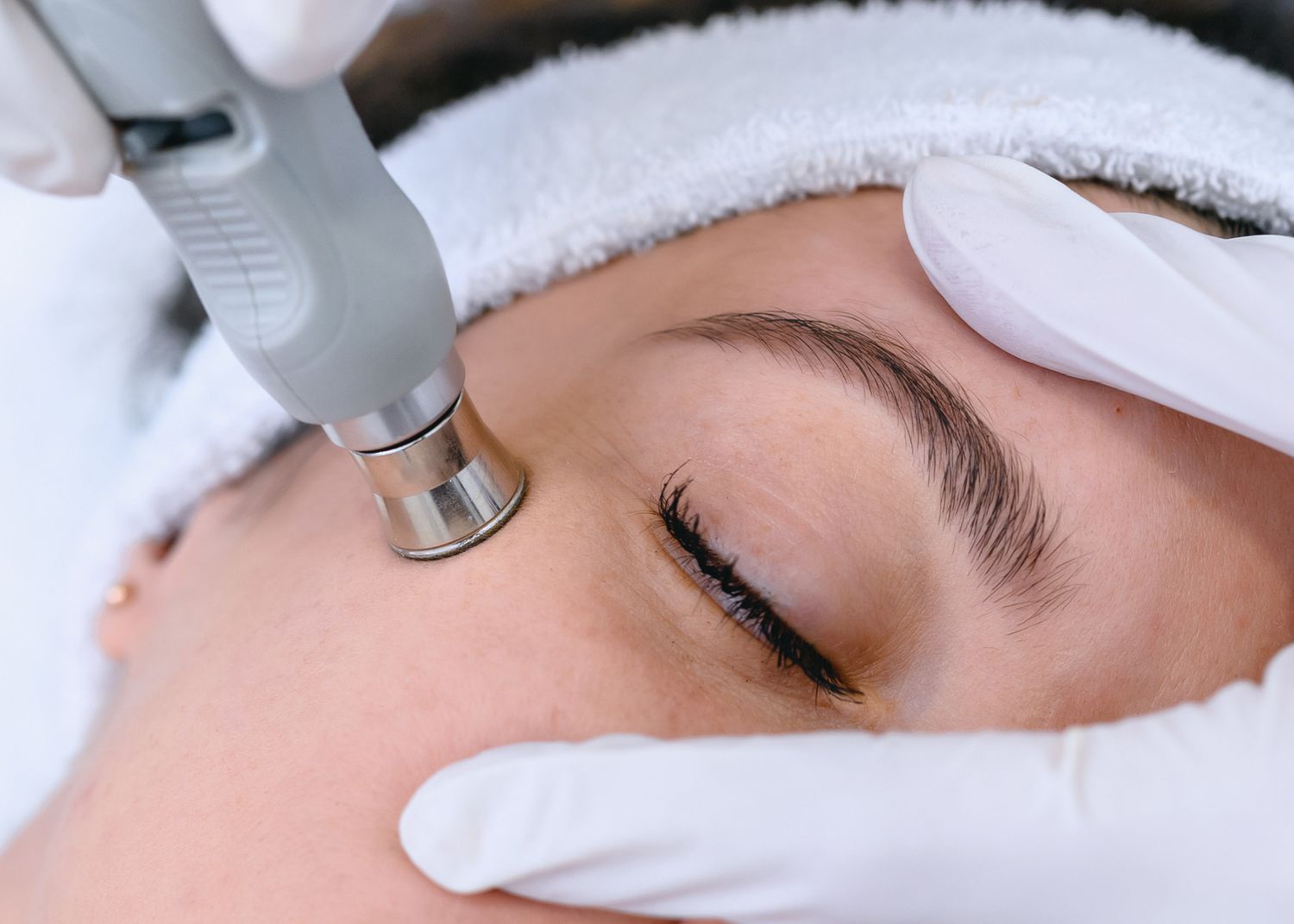
Red Light Therapy Before and After: Timeline, Real Results, and What to Expect
-

- March 05th, 2026
- 697 views

FREE SEO Topical Map Generator: Find Your Next Content Ideas
Interest in red light therapy before and after results is common among people exploring non-invasive options for skin tone, wound healing, pain relief, and athletic recovery. This guide explains realistic outcomes, a practical protocol for use, typical timelines, and safety considerations so expectations align with evidence and everyday practice.
Detected intent: Informational
- Typical visible changes often appear after 4–12 weeks with consistent sessions.
- Outcomes depend on wavelength (red vs near-infrared), dose (joules/cm²), consistency, and condition treated.
- Use the RISE protocol checklist for safe, repeatable sessions.
red light therapy before and after
The phrase "red light therapy before and after" usually refers to visual or measurable changes that occur after starting photobiomodulation (also called low-level light therapy, LLLT). Results vary by goal: skin rejuvenation and collagen stimulation show different timelines than muscle recovery or inflammatory pain reduction. Key variables include wavelength (commonly 630–670 nm for red, 810–850 nm for near-infrared), irradiance, session length, and treatment frequency.
How red light therapy works and the evidence
Red and near-infrared light penetrate tissue and interact with cellular components such as cytochrome c oxidase, enhancing mitochondrial activity and ATP production. These cellular effects can reduce inflammation, increase collagen synthesis, and accelerate tissue repair. Clinical reviews and controlled trials summarize mechanisms and outcomes—see a representative review for mechanisms and clinical applications here.
Related terms and synonyms
Photobiomodulation, low-level laser therapy (LLLT), near-infrared therapy, wavelengths, irradiance, fluence (J/cm²), and pulsed vs continuous wave delivery are commonly used terms when researching results.
Typical red light therapy results timeline
Expect different endpoints depending on the goal. Below is a general timeline for observable change.
Red light therapy results timeline (secondary keyword)
- Immediate to 24 hours: Minor changes in soreness, transient reduction in perceived pain for some users.
- 2–4 weeks: Early cellular signaling changes, subtle improvements in skin hydration and texture for consistent users.
- 4–12 weeks: Most common window for visible skin tone improvement, reduction in fine lines, and measurable improvement in wound healing or inflammation markers.
- 12+ weeks: Continued structural improvement (collagen remodeling) with regular sessions; maintenance schedule may be required.
Red light therapy benefits for skin and other conditions
(Secondary keyword: red light therapy benefits for skin) Evidence supports benefits for facial rejuvenation, acne reduction (when combined with blue light), scar softening, and accelerated healing in some wound studies. Benefits for pain and recovery have supporting randomized trials in specific contexts, though results vary by study quality and protocol.
Practical checklist: the RISE Protocol
Use the RISE Protocol to structure safe and effective sessions.
- Regularity — Aim for consistent sessions (e.g., 3–5 times per week) during an initial 6–12 week course.
- Intensity — Choose a device that reports irradiance (mW/cm²) and calculate dose (J/cm² = mW/cm² × seconds / 1000).
- Safety — Protect eyes when using near-infrared; follow manufacturer guidelines and patch-test sensitive skin.
- Expectations — Define realistic goals (texture, pain reduction, recovery) and track progress with photos and a brief symptom log.
Device selection, safety, and common trade-offs
Devices include panels, handhelds, and in-clinic lasers. Trade-offs include cost vs coverage (larger panels treat faster but cost more), wavelength choice (red light targets superficial skin; near-infrared penetrates deeper), and power output (higher irradiance reduces session time but raises safety considerations).
Common mistakes and trade-offs
- Assuming higher output always equals better results — dose (total energy) matters, not just power.
- Expecting instant dramatic changes — many outcomes are gradual over weeks.
- Using inconsistent schedules — intermittent use often produces no measurable benefit.
- Neglecting safety — improper eye protection and overexposure are avoidable risks.
Practical tips for getting reliable before-and-after evidence
- Standardize photos: same lighting, angle, distance, and neutral expression for comparisons.
- Track objective measures where possible: pain scales, sleep quality, range of motion, or dermatologist assessments.
- Log sessions: record wavelength, time, irradiance, and any topical products used so variables are controlled.
- Combine approaches thoughtfully: use clinically supported adjuncts (sunscreen, moisturizers) but avoid confounding treatments right before comparisons.
Real-world example (scenario)
A 45-year-old person with mild photoaging used a 660 nm red light panel at 20 mW/cm² for 10 minutes per area, five times per week. After 8 weeks, recorded improvements included reduced fine-line visibility on standardized photos and a dermatologist’s assessment of increased skin plumpness. Maintenance sessions twice weekly preserved results at 6 months.
Core cluster questions
- How long does it take to see red light therapy results for skin texture?
- What wavelength is best for deep tissue versus surface skin treatments?
- How is therapy dose calculated for home devices?
- Can red light therapy reduce inflammation and joint pain?
- What safety precautions are recommended for near-infrared devices?
FAQ
What results should be expected in red light therapy before and after?
Visible changes often appear between 4–12 weeks with consistent sessions. Skin texture and fine-line improvements are common in this window; pain relief or reduced inflammation can show earlier but varies by condition.
Is red light therapy safe for all skin types?
Photobiomodulation is generally well tolerated across skin types. Caution is advised for photosensitive individuals or those on photosensitizing medications; a clinician should be consulted when in doubt.
How often should sessions be done to see before-and-after changes?
Many protocols use 3–5 sessions per week initially. Consistency during the first 6–12 weeks produces the most reliable before-and-after comparisons; maintenance can be less frequent.