Benefits of Regular Wheel Alignment: Improve Tire Life, Safety, and Fuel Economy
-

- February 23rd, 2026
- 1,218 views
The condition of a vehicle's suspension and steering geometry directly affects performance and safety; regular wheel alignment helps maintain the correct angles between the wheels and the road. Regular wheel alignment improves tire life, reduces uneven wear, and can enhance fuel economy and vehicle handling.
- Regular wheel alignment corrects camber, toe, and caster to factory specifications.
- Proper alignment reduces uneven tire wear, improves steering stability, and can lower fuel consumption.
- Get alignment checked after hitting potholes, suspension work, or every 12,000–15,000 miles as a general guideline.
Benefits of Regular Wheel Alignment
Maintaining regular wheel alignment delivers measurable benefits for vehicle safety, cost of ownership, and driving comfort. Correct alignment ensures that all four wheels point in the intended directions and share load evenly, which reduces irregular tire wear patterns such as cupping or feathering. Even wear preserves tread depth and can delay tire replacement, lowering long-term expenses. Better alignment also helps steering respond predictably, reducing steering pull and vibration that can lead to driver fatigue.
Improved Tire Life
Misaligned wheels cause uneven contact between tires and the road surface. Over time this accelerates tread wear on one edge or across specific tread blocks. Alignments set camber, toe, and, where relevant, caster to the manufacturer’s specifications so the tire contact patch wears more uniformly.
Enhanced Safety and Handling
Proper alignment contributes to stable handling during lane changes and braking. Misalignment can cause the vehicle to pull to one side, increase stopping distances in emergency maneuvers, and reduce the effectiveness of electronic safety systems that depend on predictable steering geometry.
Potential Fuel Economy Gains
When wheels are aligned correctly, rolling resistance is reduced compared with a vehicle that drags or tracks improperly. Lower rolling resistance can translate into modest fuel economy improvements, particularly for drivers who do a lot of highway miles.
Common Signs That Wheel Alignment Is Needed
Steering Pull or Off-Center Wheel
If the vehicle drifts to one side when hands are relaxed on the wheel, or the steering wheel is off-center while driving straight, alignment is likely out of specification.
Uneven or Rapid Tire Wear
Inspect tires for wear concentrated on inner or outer edges, scalloped patterns, or bald spots. These patterns often indicate camber or toe problems that wheel alignment can address.
Vibration or Steering Wheel Shake
While balancing problems and tire damage can cause vibration, alignment problems also contribute and should be checked as part of a diagnostic service.
What Alignment Technicians Adjust
Toe
Toe describes how much the front of the wheels point toward or away from each other when viewed from above. Incorrect toe is a common cause of rapid, uneven tread wear.
Camber
Camber is the inward or outward tilt of the wheel when viewed from the front or rear. Excessive camber wears the inner or outer edges of the tire.
Caster
Caster affects steering feel and straight-line stability. Not all vehicles have a caster specification that is adjustable, but where it is adjustable it is set to improve both handling and return-to-center behavior.
When to Schedule Alignment and What to Expect
Recommended Frequency
Alignment schedules vary by vehicle and driving conditions. Many manufacturers recommend checking alignment during regular service intervals or when replacing tires. A common guideline is to inspect alignment every 12,000–15,000 miles or once a year, and after any incident such as striking a curb or pothole.
Inspection and Adjustment Process
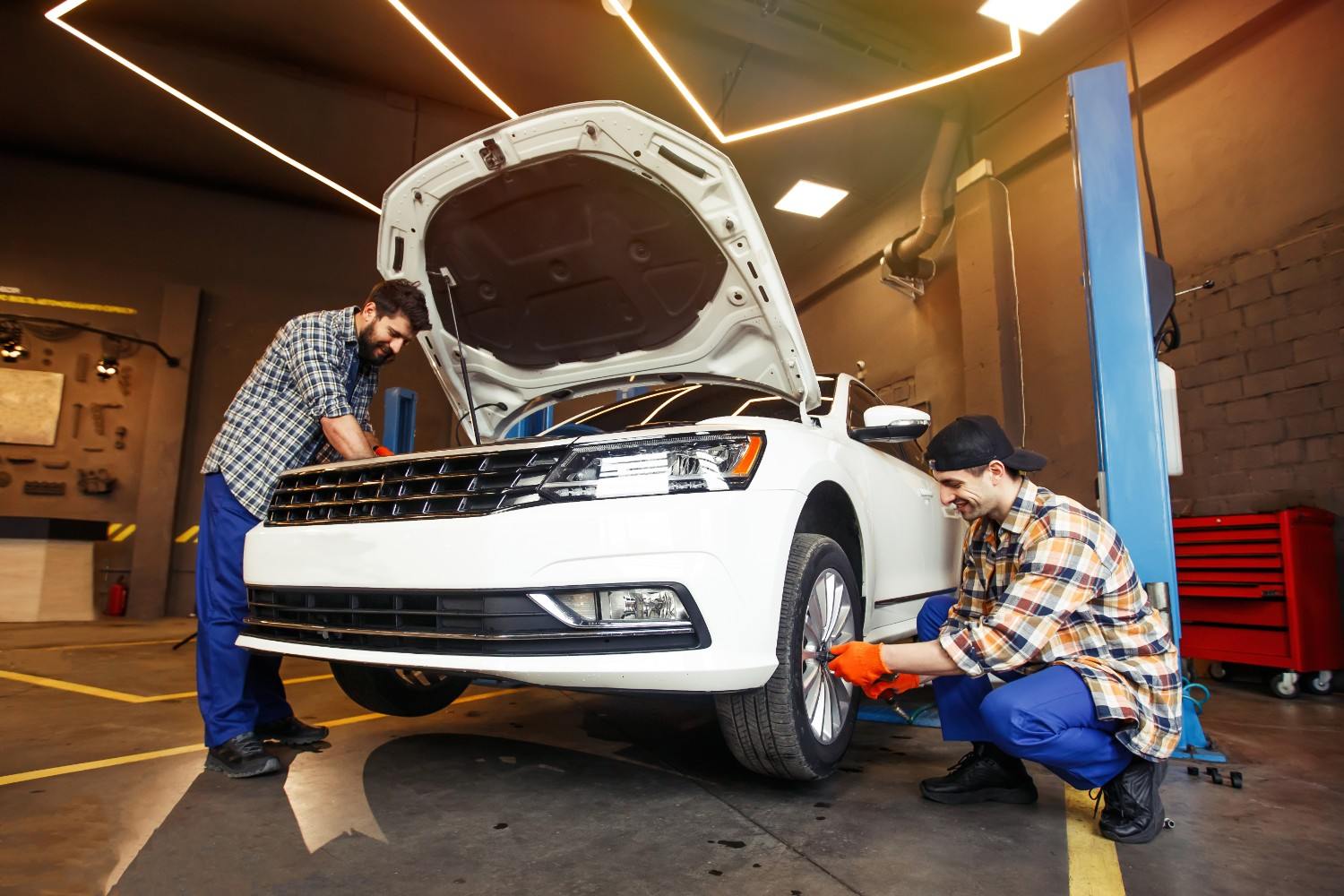
A typical alignment service begins with a visual inspection of tires, suspension components, and wheel bearings. Modern shops use laser or digital alignment racks to measure current angles and then adjust the suspension to factory specifications. After adjustments, toe, camber, and caster are verified and a test drive may be performed.
Cost Considerations
Prices vary by region and vehicle type. Consider alignment a preventative maintenance cost that can extend tire life and reduce the frequency of tire purchases. Some service centers include alignment checks as part of a multi-point inspection.
DIY vs Professional Alignment
When a Professional Is Recommended
Professional alignment equipment provides precision measurement and adjustment to factory tolerances. For most drivers, professional service is recommended after suspension repairs, new tire installation, or significant impacts. Professional technicians can also detect worn parts that require replacement.
Simple Checks a Vehicle Owner Can Do
Owners can regularly check tire pressure, inspect tires for uneven wear, and note changes in steering behavior. These checks help identify when a professional alignment is needed but do not replace calibrated alignment equipment.
For official guidance on tire maintenance and vehicle safety, refer to resources from national transportation safety agencies such as the National Highway Traffic Safety Administration (NHTSA): https://www.nhtsa.gov/equipment/tires.
Conclusion
Regular wheel alignment is a relatively low-cost maintenance task that supports longer tire life, more predictable handling, and potential fuel savings. Inspect tires and steering behavior regularly, and schedule professional alignment checks after suspension work or significant road impacts to keep a vehicle operating safely and efficiently.
How often should I get a regular wheel alignment?
Frequency depends on manufacturer recommendations and driving conditions. A common guideline is to check alignment annually or every 12,000–15,000 miles, and any time a vehicle hits a curb, pothole, or undergoes suspension repairs.
Will alignment fix uneven tire wear?
Alignment can correct uneven wear caused by incorrect wheel angles, but it cannot restore tread already lost. Severe or irregular wear may also indicate damaged suspension parts that need replacement.
Can a wheel alignment improve fuel economy?
Yes, correcting alignment can reduce rolling resistance caused by wheels not tracking properly, which may yield modest fuel economy improvements, especially at highway speeds.
Is wheel balancing the same as alignment?
No. Wheel balancing evens the distribution of mass around the wheel and tire assembly to prevent vibration, while alignment adjusts the angles of wheels relative to the vehicle. Both services contribute to smooth driving and should be performed as needed.
How long does an alignment service typically take?
Most alignments take between 30 minutes and 2 hours depending on vehicle complexity and whether additional repairs are needed. A full inspection and test drive may extend the appointment time.