Best Rehab Centres in Bangalore: Compare Care, Costs, and Aftercare With Confidence
-

- Published Updated
- 3,564 views
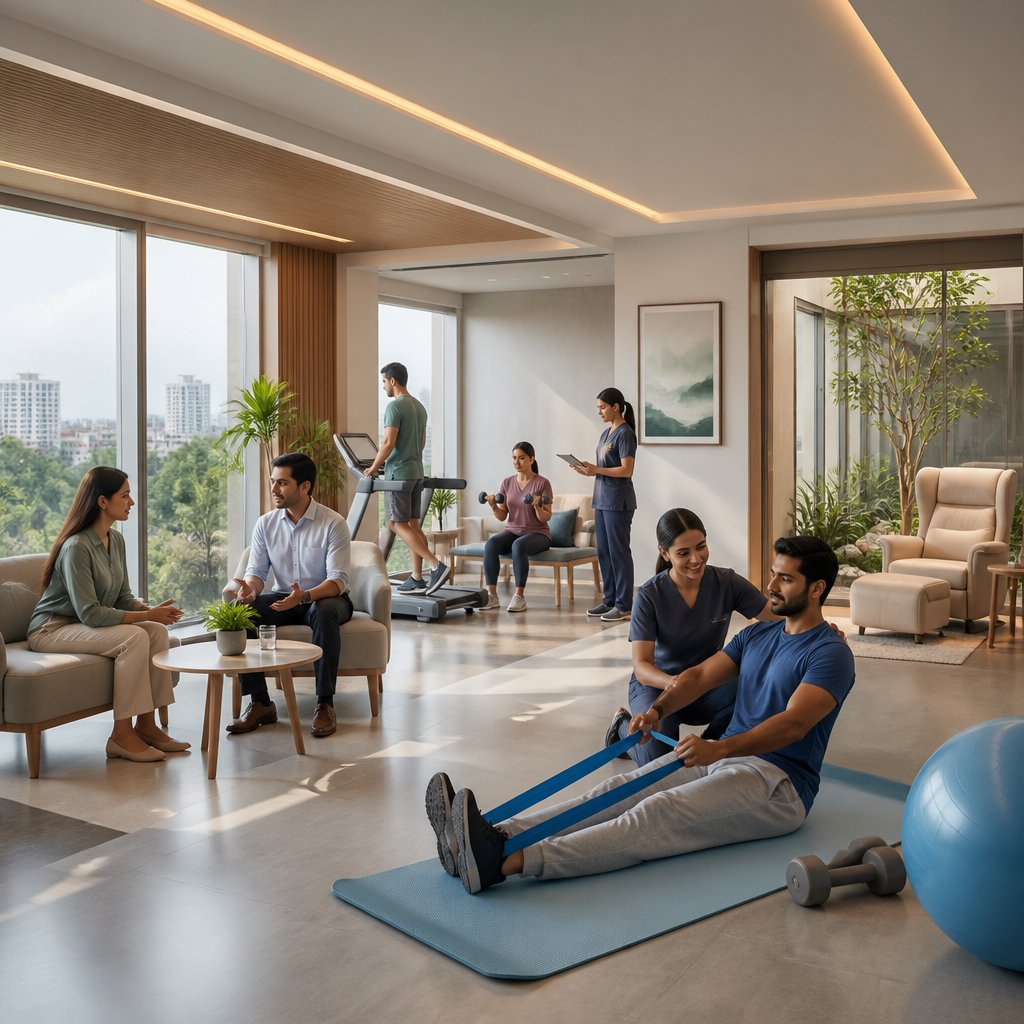
Choosing among the best rehab centres in Bangalore takes more than picking the nearest facility or trusting a polished website. The right centre should fit the person’s substance use, medical needs, mental health, budget, family support, and readiness for treatment. This guide helps you compare alcohol rehabilitation centres, drug de-addiction centres, residential care, outpatient treatment, fees, safety, and long-term support.
What Separates the Best Rehab Centres in Bangalore
Treatment quality matters more than luxury rooms, online ratings, or claims of a permanent cure. Before comparing facilities, check the clinical team, treatment methods, safety rules, costs, and plans for care after discharge. Information should come from official centre websites, direct calls, government health sources, NDDTC/AIIMS publications, WHO resources, and hospital departments.
Clinical Credentials and Treatment Teams
Ask whether the centre has a psychiatrist, doctor, psychologist, psychiatric social worker, counsellors, nurses, and trained support staff. Confirm who will manage withdrawal and whether medical help is available on-site or on call.
Check staff qualifications, professional registrations, facility licences, affiliations, and the name of the doctor responsible for treatment. A centre that cannot clearly explain who provides care deserves caution.
Evidence-Based and Personalised Care
A sound programme begins with a full assessment, not a fixed routine for every resident. Look for cognitive behavioural therapy, motivational interviewing, relapse-prevention counselling, family therapy, trauma-informed care, and medication when clinically suitable.
The team should also assess depression, anxiety, bipolar disorder, trauma, suicidal thoughts, and other health concerns. Treating substance use without addressing these conditions can weaken recovery and raise safety risks.
Safety and Measurable Progress
Ask how the facility handles seizures, severe withdrawal, self-harm risk, violence, medication errors, and urgent hospital transfers. You should also understand visitor rules, privacy protections, complaints procedures, consent, and access to treatment records.
The centre should record progress through reviews, care plans, attendance, symptom changes, and discharge goals. Avoid facilities that promise a guaranteed cure, hide fees, use unsafe restraint, or offer forced confinement without proper clinical and legal safeguards.
Which Rehab Programme Fits the Situation
The right setting depends on withdrawal risk, home conditions, work, family support, and past treatment. A qualified doctor or addiction psychiatrist should help decide between residential and outpatient care.
Residential and Inpatient Rehabilitation
Residential rehab provides supervision, a structured day, therapy, peer support, and distance from people or places linked with substance use. It may suit severe dependence, repeated relapse, unsafe housing, or limited support at home.
Ask about room sharing, medical supervision, meals, daily schedules, outdoor time, phone access, visitors, and typical programme length. Confirm whether a hospital is close enough for emergencies.
Outpatient and Intensive Outpatient Care
Outpatient treatment allows a person to live at home while attending counselling, medical reviews, support groups, or several sessions each week. It may fit someone with stable housing, safe family support, and work, study, or childcare duties.
Travel time across Bengaluru traffic can affect attendance. Outpatient care may be unsafe when withdrawal could be severe, the home contains strong triggers, or family members cannot provide basic support.
Detox, Dual Diagnosis, and Specialised Care
Detox removes or reduces a substance under medical supervision, but it does not treat the habits, thoughts, trauma, or family problems linked to addiction. Ask whether the programme supports alcohol, opioids, prescription drugs, stimulants, tobacco, adolescents, women, LGBTQ+ clients, or people with psychiatric conditions.
Alcohol and benzodiazepine withdrawal can cause seizures, delirium, and other medical emergencies. Some opioid withdrawals also need medical care, especially when other drugs or illnesses are involved. Never stop a high-risk substance without medical guidance.
Services to Compare Before Choosing a Bangalore Rehab Centre
A useful comparison looks at the full care plan rather than one attractive feature. Ask what happens before admission, during treatment, and after the person returns home.
Assessment, Detox, and Medical Stabilisation
A proper intake review should cover substance use, physical health, mental health, medicines, past treatment, family history, allergies, and immediate safety concerns. The centre may also need blood tests, medication reviews, and withdrawal-risk screening.
Confirm how often vital signs are checked and who gives medicines. Ask what happens if a resident develops psychosis, a seizure, severe depression, or another serious medical problem.
Therapy, Peer Support, and Daily Activities
Compare individual counselling, group therapy, family sessions, recovery education, peer groups, mindfulness, exercise, and vocational support. Some centres include 12-step meetings, while others follow a different peer-support model.
Ask how often therapy occurs, how long sessions last, how large groups are, and how many staff members support residents. Yoga and meditation can help, but they should add to qualified addiction treatment rather than replace it.
Family Support and Relapse Prevention
Family counselling can improve communication, boundaries, accountability, and support at home. A good centre explains enabling behaviour and helps relatives respond to cravings or warning signs without shame or threats.
Before discharge, request a written plan covering triggers, cravings, medicines, emergency contacts, follow-up visits, and high-risk situations. Ask about outpatient step-down care, sober-living referrals, support groups, teleconsultations, and alumni contact.
How to Compare the Best Rehab Centres in Bangalore Fairly
There is no reliable universal ranking of rehab facilities. Compare verified facts, speak with treatment professionals, and visit a centre when possible instead of relying on testimonials or paid listings.
Location and Treatment Environment
Shortlisted facilities may be in Whitefield, Electronic City, Jayanagar, Indiranagar, Yelahanka, Hebbal, Koramangala, or nearby Bengaluru areas. Confirm the current address and admission availability before travelling.
A nearby centre can make family sessions and follow-up easier. A centre farther from familiar triggers may offer more privacy and distance from old contacts. Also check travel time, access to an emergency hospital, neighbourhood safety, and the family’s ability to visit.
Facilities, Privacy, and Resident Rights
Review hygiene, food, room arrangements, medication storage, recreation, outdoor access, internet rules, phone access, and visitor policies. Ask whether personal belongings are stored safely and whether shared rooms affect privacy.
Residents should understand their treatment plan, consent to care, contact approved family members, and raise complaints without fear. A visit can reveal the centre’s condition, though privacy rules may prevent access to occupied treatment rooms.
Reviews, Referrals, and Verification
Online reviews can show repeated concerns about food, staff conduct, refunds, or communication, but they do not prove clinical quality. Compare patterns across several sources and ask the centre to explain serious complaints.
A doctor, addiction psychiatrist, public hospital, trusted support group, or previous treatment provider may offer useful referrals. Confirm the phone number, programme, staff availability, fees, refund rules, admission documents, and emergency process directly.
Rehab Centre Costs and Admission Planning in Bangalore
Treatment fees vary widely, so avoid treating online prices as fixed market rates. Residential care usually costs more when it includes private rooms, medical detox, frequent psychiatric reviews, medicines, tests, or longer stays.
What Affects the Total Cost
Ask for an itemised quotation covering admission, accommodation, doctor visits, medicines, tests, counselling, family sessions, emergency transfers, and aftercare. Also ask about deposits, payment dates, cancellation rules, refunds, and the cost of extending treatment.
Outpatient treatment may reduce accommodation costs but still involve consultation, medicine, travel, and testing charges. The cheapest programme may not meet the person’s medical needs.
Insurance and Financial Support
Check health insurance terms for mental-health and substance-use treatment, exclusions, pre-authorisation, reimbursement papers, room limits, and network rules. Confirm every detail with the insurer and facility billing team.
Employers may offer counselling or employee assistance benefits. Government hospitals, district mental-health services, charitable groups, and public addiction programmes may provide lower-cost care, though waiting times and eligibility rules differ.
Preparing for Admission
Carry identification, prescriptions, medical records, emergency contacts, and approved clothing. Ask about prohibited items, medicine storage, consent forms, communication rules, transport, and likely withdrawal symptoms.
Before admission, agree on who will speak with the centre during an emergency and how family members will receive updates. Keep payment receipts and the written treatment plan.
Questions to Ask Before Selecting a Rehab Centre
Use the same questions with every shortlisted facility. Clear answers often reveal more than a brochure.
- Who supervises detox, and how is withdrawal risk assessed?
- Is a psychiatrist available, and how are medicines prescribed?
- What happens during seizures, psychosis, suicidal thoughts, overdose, or severe withdrawal?
- What is the daily schedule, therapy frequency, group size, staff-to-resident ratio, and expected stay?
- How does the centre measure progress, and what are its discharge criteria?
- How often can families join counselling, reviews, and discharge planning?
- Are follow-up care, support groups, sober living, telehealth, and crisis contacts available?
If a centre publishes outcome figures, ask how they were measured, how long clients were followed, and how many people were included. No facility can promise recovery for every person.
Reliable Addiction Support in Bengaluru
Government hospitals, psychiatry departments, district mental-health services, and recognised addiction programmes can provide assessment, detox, referral, and follow-up. Check the Ministry of Health and Family Welfare, Karnataka health authorities, NDDTC/AIIMS, WHO, and the Ministry of Social Justice and Empowerment for current guidance and service details.
Public care may have different costs, waiting periods, eligibility rules, and follow-up systems than private rehab. For urgent danger, call India's emergency service at 112. If someone is unconscious, having a seizure, overdosing, severely confused, or at risk of self-harm, seek emergency medical care instead of waiting for a routine admission. Confirm helpline numbers, addresses, and service hours through official sources before relying on them.
The best rehab centres in Bangalore are not always the most expensive or highly advertised. Strong options have qualified staff, safe medical procedures, personalised therapy, clear costs, family involvement, resident rights, and continuing aftercare.
Compare several verified facilities and ask for written treatment and pricing details. Speak with a qualified professional, visit the centre when possible, and choose care that matches the person’s medical risk, home setting, budget, and long-term needs. Urgent medical or psychiatric emergencies require immediate professional help, not a delayed rehab appointment.