How to Remove a Washer and Dryer Easily and Safely
-

- Published Updated
- 1,844 views
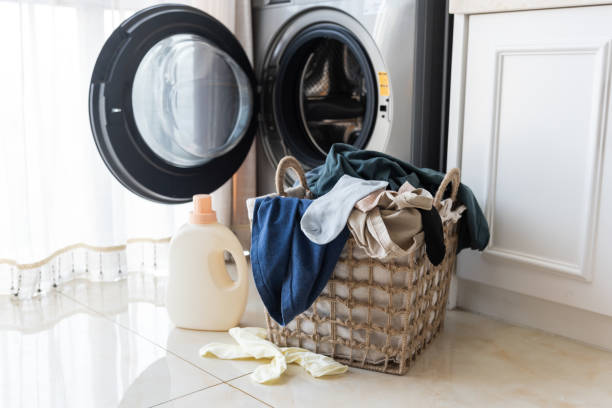
Removing household appliances can be a straightforward task with the right preparation. This guide explains washer and dryer removal with clear steps for disconnecting water, power and gas, preparing the machines for transport, and handling disposal or recycling. The focus is safety and practical tips for a general audience.
- Gather tools (wrench, screwdriver, dolly/straps) and protective gear.
- Shut off water, power and gas before disconnecting appliances.
- Secure drums and vents for safe transport; follow local recycling rules for disposal.
Washer and Dryer Removal: Step-by-Step Guide
Overview and when to remove appliances
Washer and dryer removal is commonly needed when replacing units, moving, or preparing a rental property. Planning ahead reduces risk of water damage, gas leaks or electrical hazards. Check local regulations for appliance disposal; many municipalities and utilities provide guidance or pickup services.
Tools and preparation
Tools and materials
- Adjustable wrench or pliers for water and gas fittings
- Screwdrivers for panel or vent removal
- Dolly and moving straps or appliance skid
- Bucket or towels to catch water, rags and gloves
- Tape to secure cords, and a blanket or padding for transport
Pre-checks
Confirm access routes (doorways, stairways) and measure appliances to ensure clearance. Empty the washer drum and dryer lint trap. If the dryer uses gas, notify the gas utility or consult the manufacturer instructions before disconnecting; in some areas a licensed technician is required to reconnect gas appliances.
Before disconnecting: safety steps
Shut off utilities
Shut off the water supply valves for the washer and unplug the dryer from the electrical outlet. For gas dryers, turn off the gas supply valve and, if required by local codes, call the gas company or a licensed technician to cap the line after removal. OSHA and local utility safety guidelines recommend confirming that all sources of energy are isolated before work begins.
Protect the work area
Lay down towels or a plastic sheet to protect floors from drips. Wear gloves to avoid cuts from sharp edges and closed-toe shoes to protect feet when moving heavy appliances.
Disconnecting a washing machine
Turn off and drain
Turn the water supply valves to off, then disconnect the hoses using a wrench. Have a bucket ready to catch residual water. If the washer has a drain hose clipped to a standpipe, unclip and lower it slowly to drain remaining water.
Secure the drum and remove attachments
For front-load washers, use transit bolts if available to secure the drum for transport. Remove any detergent trays and secure the power cord to the body of the machine with tape or straps.
Disconnecting a dryer
Electric dryer
Unplug the dryer from the outlet. Disconnect the vent hose from the back of the dryer—loosen the clamp screw or remove the foil tape. Clean the vent of lint before reattaching at the new location.
Gas dryer
Turn off the gas supply valve. Use a wrench to disconnect the flexible gas connector. Place a cap or tape on the gas line to prevent contamination. For reconnection, many jurisdictions require a certified technician; contact the local gas utility or a licensed contractor and follow code regulations.
Moving and transporting appliances
Using a dolly or appliance skid
Tip the appliance onto the dolly with assistance and secure it with straps. Keep the appliance upright (especially washers and dryers with internal components) and use padding to protect finishes during loading.
Loading into a vehicle
Position heavy appliances close to the vehicle center to maintain balance. Avoid sudden movements on stairs; use a second person to guide the load and keep hands clear of pinch points.
Disposal, recycling and donation options
Responsible disposal
Many communities offer appliance recycling or bulky-item pickup. Some retailers provide haul-away services when delivering new appliances. For environmental guidance on recycling and hazardous components, consult government resources such as the U.S. Environmental Protection Agency: EPA appliance recycling.
Donate or sell working units
Functional appliances can often be donated to charities or sold locally. Check condition, cleanliness, and any local rules for donations.
Troubleshooting common removal issues
Stuck hoses or fittings
Apply penetrating lubricant and allow time to work. Use two wrenches to hold the fitting steady and turn the hose connector to avoid twisting pipes.
Doorway and clearance problems
Remove feet or trim pieces temporarily to reduce dimensions. If necessary, partially disassemble doors or hinges to gain clearance, taking care to note hardware placement for reassembly.
Final checks and reinstallation notes
After removal
Inspect floor and utility connections for damage. Seal any open gas or water lines if they will remain exposed, and follow local codes for capping lines. When installing new appliances, follow manufacturer instructions and local electrical and plumbing codes; in some cases, licensed professionals are required for gas and electrical work.
Frequently asked questions
How long does washer and dryer removal usually take?
Time varies by experience and access, but a straightforward removal of a washer and dryer typically takes 30–90 minutes for two people. Extra time may be needed for disconnecting gas lines, securing appliances for transport, or navigating tight spaces.
Is professional help required to disconnect a gas dryer?
Local codes may require a licensed technician for gas line reconnection. For safety, consider a professional when unsure about gas fittings or if a permanent cap or reconfiguration is needed.
What should be done with old appliance cords and hoses?
Recycle metal hoses and cords where accepted, or follow local electronic and metal recycling programs. Remove and dispose of any hazardous or contaminated materials according to municipal guidelines.