How to Write a Residency Statement That Stands Out
-

- Published Updated
- 1,720 views
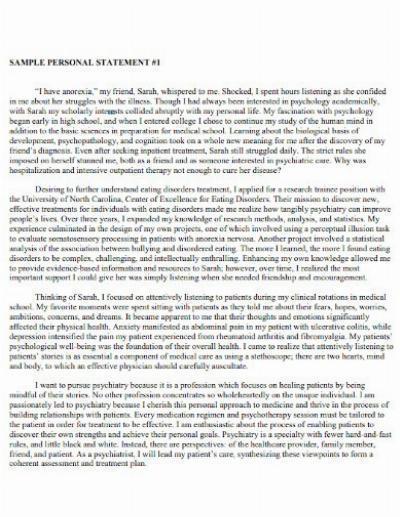
A residency statement is a focused personal narrative used in residency applications to explain motivations, relevant experience, and professional goals. A clear residency statement helps reviewers understand an applicant's fit with a program and can make an application more memorable without relying on generic language.
- Define a central theme tied to concrete experiences and future goals.
- Organize content with a brief opening, body examples, and a concise conclusion.
- Focus on clarity, specificity, and professional tone; edit and seek feedback.
Residency statement: Why it matters
Programs review many applications that include similar transcripts, test scores, and CV items. A residency statement gives context about why an applicant chose a specialty, how prior experiences shaped clinical interests, and what the applicant will contribute to training and the institution. Admissions committees, including those that follow guidance from organizations like the Association of American Medical Colleges (AAMC) and the National Resident Matching Program (NRMP), use narratives to assess communication skills, motivation, and alignment with program values.
Prepare before writing
Understand the audience and purpose
Identify the selection committee’s priorities: clinical excellence, teamwork, research, community service, or leadership. Review program websites and residency program mission statements to align tone and examples with expected attributes. Avoid repeating information that appears elsewhere in the application; use the residency statement to add context and depth.
Collect concrete examples
List clinical rotations, projects, volunteer work, leadership roles, and scholarly activities that influenced career decisions. Prioritize examples that demonstrate growth, reflection, or problem-solving. Specific anecdotes are more persuasive than abstract claims; describe actions taken, outcomes, and lessons learned.
Structure and key elements
Opening paragraph
Start with a concise hook that communicates an overall theme: a defining moment, a sustained interest, or a value that guides clinical work. Avoid overly dramatic or vague opening lines; aim for clarity and relevance to the specialty.
Body paragraphs
Use two to three body paragraphs to connect the theme to specific experiences. For each experience, briefly describe the situation, the role performed, and the impact or lesson. Emphasize reflection: how did the experience shape skills such as clinical reasoning, teamwork, patient communication, or systems-based practice?
Conclusion
Conclude by summarizing readiness for residency and articulating how the program’s features match career objectives. A concise closing statement should reinforce commitment and point to future goals without introducing new anecdotes.
Tone, style, and length
Be concise and authentic
Maintain professional language, active verbs, and specific detail. Avoid clichés, excessive adjectives, or unsupported claims. Many programs have word or character limits; follow those limits closely and prioritize clarity over length.
Show, don’t tell
Demonstrate qualities through actions and outcomes rather than listing traits. For example, instead of saying "team player," describe a collaborative project and the applicant’s role in achieving the result.
Common pitfalls and how to avoid them
Generic statements
Statements that could apply to any applicant reduce impact. Tailor language to the specialty and use specific examples that highlight unique preparation or perspective.
Negative tone or excuses
Avoid justifying past weaknesses or focusing on negative experiences without constructive reflection. If gaps or career changes require explanation, frame them as growth opportunities and include lessons learned.
Poor proofreading
Errors in grammar, punctuation, or factual details create a negative impression. Allocate time for multiple edits and, if possible, use institutional writing resources or trained reviewers for feedback.
Editing, feedback, and final checks
Revise for clarity and flow
Read the statement aloud to check rhythm and coherence. Remove redundant phrases and ensure each paragraph advances the central theme. Verify that program-specific customization is subtle but present when tailoring for different institutions.
Seek targeted feedback
Request feedback from mentors, faculty advisors, or writing center specialists who understand residency applications. Many medical schools have career advising offices that can offer structured review based on common admissions criteria.
Compliance and submission
Confirm formatting and submission requirements for each application system. Keep a final, timestamped copy of the submitted statement for records.
For official guidance on personal statement best practices and application procedures, refer to resources from major medical education organizations such as the Association of American Medical Colleges (AAMC): AAMC: Writing the Personal Statement.
Closing thoughts
A well-crafted residency statement balances narrative coherence, concrete examples, and professional reflection. It should present a candidate as prepared, reflective, and aligned with targeted programs. Investing time in planning, drafting, and revision increases the chance that the statement will communicate a compelling and memorable application narrative.
How long should a residency statement be?
Length varies by application system and program. Typical ranges are 500–800 words or the specific character limit provided by the application platform. Follow program instructions precisely and aim for concise language that covers a theme, key examples, and a brief conclusion.
What should be included in a residency statement?
Include a clear theme, two to three illustrative experiences, reflective commentary linking experiences to skills and motivation, and a closing statement about fit and future goals. Avoid repeating resume content verbatim; use the statement to provide context and depth.
How can a residency statement demonstrate fit?
Demonstrate fit by aligning personal goals and values with program attributes, describing how specific experiences prepared the applicant for the program’s clinical environment or focus areas, and showing awareness of the program’s mission or training strengths.
Can multiple programs receive the same residency statement?
Core narrative themes can remain the same, but minor customization is advisable. Tailor one or two sentences to reflect each program’s unique strengths or mission to show genuine interest while maintaining the central story.
When should a residency statement be revised?
Revise after significant experiences, major changes in career goals, or feedback from advisors. Also update the statement if applying to specialties with different expectations to ensure relevance and specificity.