Residential Architect Stellenbosch: Creating Homes That Reflect Lifestyle and Location
-

- Published Updated
- 6,540 views
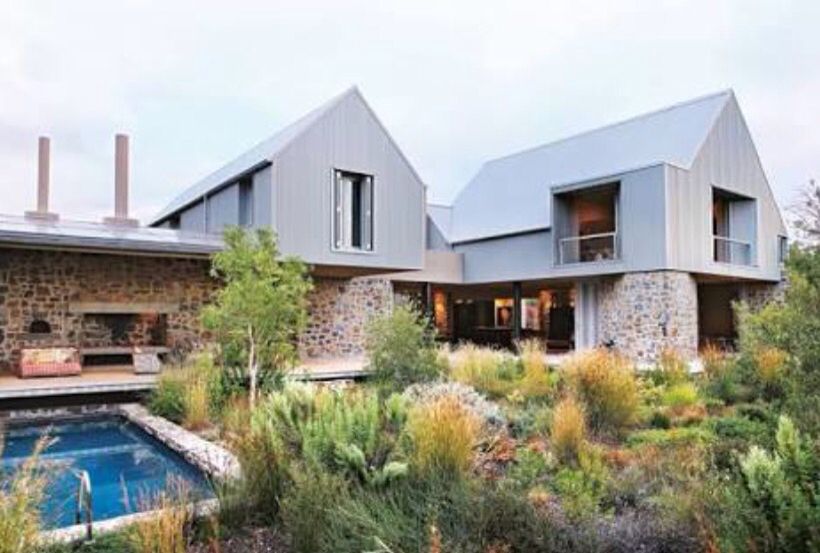
The relationship between architecture and place is particularly important in Stellenbosch, where residential design is influenced by vineyards, mountain views, established neighborhoods, and changing lifestyle expectations. A home in this region must do more than provide shelter; it should respond to its surroundings while supporting the everyday routines of the people who live there. This is why a residential architect Stellenbosch plays a significant role in shaping homes that balance comfort, functionality, and environmental awareness.
Understanding How People Live Within a Home
Residential architecture begins with understanding human behavior. The way people move through a home, interact with shared spaces, and seek moments of privacy all influence design decisions. A successful house is not defined by size alone but by how effectively it supports daily living.
Careful planning allows spaces to function naturally together. Living areas, private rooms, and transitional zones are arranged to create a sense of flow that improves comfort and usability. These relationships help transform a collection of rooms into a cohesive living environment.
Designing for Long-Term Adaptability
Modern households often experience changing needs over time. Family structures evolve, work habits change, and new activities emerge that were not anticipated when the house was first planned.
Residential architecture increasingly focuses on flexibility by creating spaces that can accommodate different functions without requiring major alterations. Adaptable layouts allow homes to remain useful and relevant while responding to changing lifestyles throughout the years.
The Role of Orientation in Residential Comfort
The position of a building on its site has a significant impact on how comfortable it feels throughout the year. Sunlight, airflow, and seasonal conditions influence interior environments and can affect energy consumption if not carefully considered.
Architectural planning often uses orientation as a design tool, positioning rooms and openings to take advantage of natural conditions. This approach helps create more comfortable living environments while reducing dependence on artificial heating and cooling systems.
Creating a Connection Between Interior and Exterior Spaces
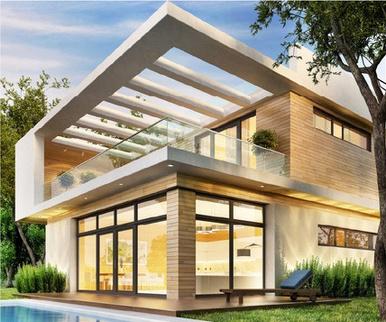
One of the defining characteristics of residential architecture in Stellenbosch is the relationship between indoor and outdoor environments. Gardens, terraces, courtyards, and landscape features frequently become extensions of the home rather than separate elements.
By strengthening these connections, architecture encourages greater use of outdoor areas and creates a more open living experience. The transition between built space and nature becomes an important part of daily life, particularly in regions known for their scenic surroundings.
Responding to Site-Specific Opportunities
Every residential property presents unique opportunities that influence the design process. Topography, views, vegetation, and neighboring structures all contribute to shaping architectural decisions.
Approaches commonly explored by an architect franschhoek demonstrate how site-responsive design can improve both functionality and visual integration. Understanding the specific qualities of a location allows architecture to respond more naturally and effectively to its environment.
Material Choices That Support Longevity
The materials used within a home affect durability, maintenance requirements, and overall character. Residential projects often prioritize materials that age gracefully and perform reliably under local environmental conditions.
Stone, timber, concrete, and natural finishes are frequently selected because they offer both resilience and visual warmth. Thoughtful material selection contributes to creating homes that remain appealing and functional long after construction is complete.
Shaping Atmosphere Through Spatial Design
The experience of a home is influenced by more than layout alone. Ceiling heights, natural light, visual connections, and room proportions all contribute to how spaces feel.
Architectural design carefully considers these elements to create environments that support relaxation, focus, and social interaction. The atmosphere created by spatial design often becomes one of the defining qualities of a successful residence.
Integrating Homes Within Their Surroundings
Residential buildings should contribute positively to the broader environment in which they are located. Scale, massing, and visual relationships help determine how a home fits within its neighborhood and landscape.
Perspectives frequently associated with an architect cape town highlight the importance of balancing architectural expression with contextual sensitivity. This balance helps ensure that individual homes strengthen rather than disrupt their surroundings.
Creating Homes With Enduring Value
A well-designed residence continues to provide value long after construction has been completed. Careful planning, durable materials, and thoughtful spatial organization all contribute to long-term performance and usability.
https://coform.co.za/
Ultimately, a residential architect Stellenbosch helps create homes that respond to people, place, and changing lifestyle needs. Through careful attention to comfort, adaptability, and environmental integration, residential architecture can provide living environments that remain functional, meaningful, and enjoyable for many years.