Managing Older Residential Buildings in London: Challenges, Solutions, and Long-Term Care
-

- Published Updated
- 33 views
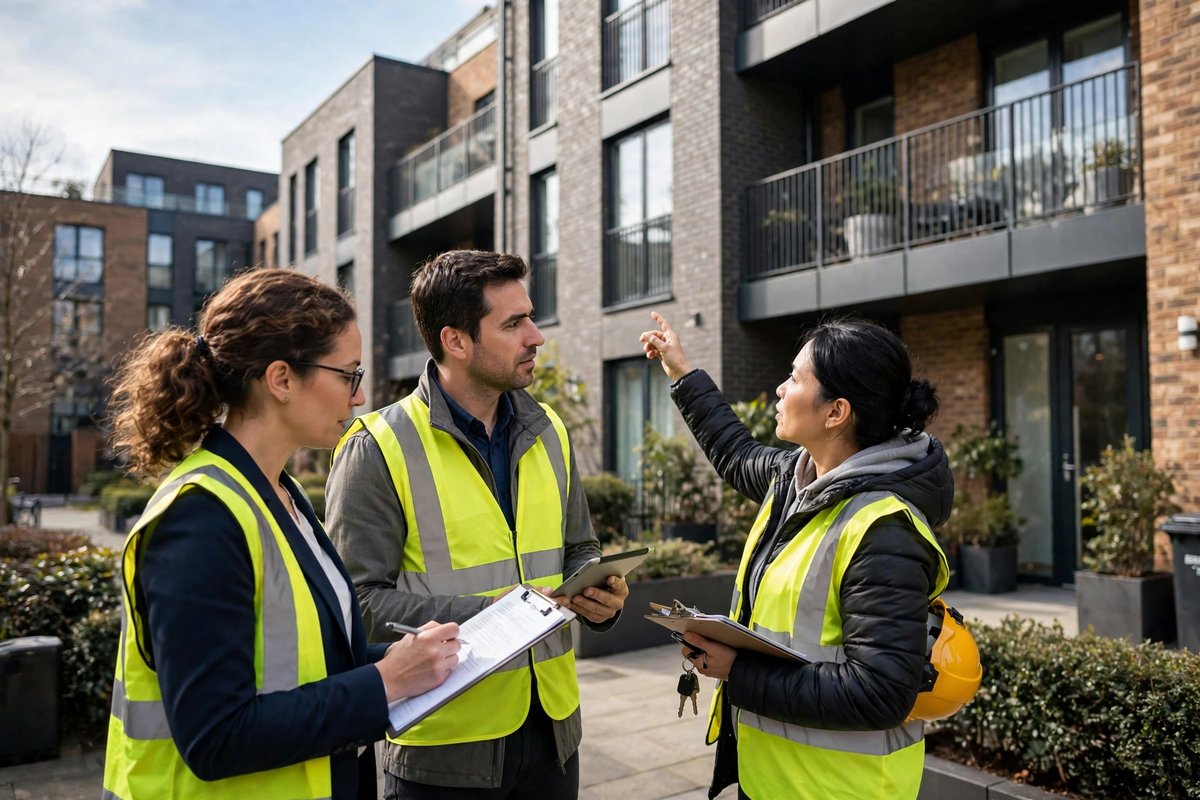
 London is home to a wide variety of residential properties, from converted Victorian houses and traditional mansion blocks to modern apartment developments. Each type of building has its own character, but all require appropriate maintenance, responsible administration, and regular attention to remain suitable for residents.
Older properties can present particular challenges. Ageing plumbing, deteriorating external finishes, outdated communal equipment, and historic repair issues may require careful investigation before work can begin. At the same time, owners must manage service charges, coordinate contractors, communicate with residents, and ensure that relevant safety obligations are addressed.
A well-planned management strategy can help bring these responsibilities together. Appointing a suitable block management company London property owners can work with may also provide practical support in coordinating maintenance, administration, and communication.
This article explores the issues commonly associated with older residential buildings and explains how a structured approach can help protect their condition and support better living environments.
1. Understanding the Building Before Planning Improvements
One of the most important steps in managing an older property is establishing an accurate picture of its present condition.
Buildings that have been standing for decades may have undergone several rounds of repairs, alterations, and changes in use. Some work may be well documented, while other changes may be difficult to trace. As a result, visible defects do not always reveal the full extent or source of a problem.
For example, staining on an internal wall could be associated with a leaking pipe, defective external pointing, a roof problem, or condensation. Treating the visible mark without identifying its cause may result in the same issue returning.
A suitable inspection programme can help identify areas requiring further investigation. Depending on the property, this might involve examining the roof, rainwater goods, external walls, communal pipework, windows, drainage, and shared mechanical equipment.
Where defects are complex or potentially serious, specialist surveys should be arranged. Structural concerns, suspected hazardous materials, and significant damp problems may require professionals with the appropriate expertise.
The findings should be recorded and used to create a prioritised maintenance plan. This gives owners a clearer understanding of which work is necessary now, which items require monitoring, and which improvements may need to be considered in the future.
2. Maintaining Traditional Features Without Neglecting Practical Needs
Many older London properties have architectural details that contribute to their distinctive appearance. Original windows, decorative masonry, traditional entranceways, and period features can be important elements of a building's character.
Maintaining these features may require a different approach from managing a newer development. Replacement materials or unsuitable repair techniques can sometimes cause further damage, particularly where traditional construction methods differ from modern building practices.
Before undertaking significant external work, property representatives should establish whether the building is listed, located within a conservation area, or subject to other restrictions. Relevant permissions may be required, and specialist advice can help determine an appropriate method of repair.
The aim is to balance preservation with the practical requirements of a functioning residential property.
For instance, repairing an original timber window may be preferable to replacing it where the window remains suitable for continued use. In other circumstances, replacement may be justified because of its condition, performance, or safety implications.
Decisions should be based on the building's circumstances rather than a blanket preference for either repair or replacement.
A management team that understands the importance of appropriate materials, qualified contractors, and necessary approvals can help owners make more informed choices about maintaining the property's character.
3. Tackling Water Ingress and Damp Problems at Their Source
Water-related defects can be particularly disruptive in older buildings. Roof failures, blocked gutters, damaged pointing, defective plumbing, and poorly maintained drainage can allow moisture to enter areas where it may damage internal finishes or building materials.
However, not every damp patch has the same cause. Condensation, penetrating moisture, and moisture rising through building materials require different forms of investigation and treatment.
Applying a surface coating or arranging repeated decorative repairs without understanding the source may only conceal the symptoms temporarily.
A more effective response begins with a proper assessment. The inspection may consider the location and pattern of the damage, the condition of external surfaces, plumbing installations, ventilation, and previous repair history.
Once the cause has been established, appropriate remedial work can be arranged. This might involve repairing roof coverings, clearing drainage channels, renewing defective pipework, improving ventilation, or carrying out suitable masonry repairs.
After the work is completed, the affected area should be monitored where appropriate to confirm whether the problem has been resolved.
For property owners, the key lesson is that early investigation can be more useful than repeatedly paying for cosmetic repairs that fail to address the underlying defect.
4. Balancing Maintenance Costs With Residents' Financial Expectations
Older residential developments can require substantial expenditure, especially when several building components approach the end of their useful lives at the same time.
A roof renewal, external redecoration project, lift replacement, or major drainage repair can place pressure on the finances of a development. Residents may understandably want to know why the work is needed, how the costs have been calculated, and whether alternative options have been considered.
Financial planning should therefore be linked closely to the building's maintenance requirements.
A long-term maintenance forecast can help identify likely projects and provide an indication of when funding may be required. The forecast should be reviewed periodically because inspections, unexpected defects, inflation, and changes in contractor pricing can affect earlier estimates.
When substantial work is proposed, property representatives should obtain appropriate professional advice and assess quotations against a clearly defined scope. A lower initial price is not necessarily the most economical choice if it excludes important work or is likely to result in further repairs.
The applicable lease and legal requirements must also be considered. Depending on the circumstances, formal consultation procedures or other approvals may be necessary before particular costs can be recovered from leaseholders.
Clear explanations and suitable financial records can help residents understand the reasoning behind expenditure, even when the costs are significant.
5. Coordinating Contractors in Occupied Buildings
Repair work becomes more complicated when contractors must operate around residents' daily routines. Access may be restricted, communal routes must remain usable where possible, and some jobs can generate noise, dust, or temporary service interruptions.
Older properties may also contain concealed defects that only become apparent after work begins. For example, removing damaged plaster might reveal deterioration that was not visible during the initial inspection.
Effective coordination helps reduce uncertainty.
Before a project starts, the management team should establish the work involved, the expected programme, access requirements, contractor responsibilities, and the procedure for reporting unexpected findings.
Residents should receive appropriate information about disruption, including any temporary restrictions that could affect access to their homes or shared facilities.
During the project, progress should be monitored in proportion to its complexity and risk. Significant changes to the agreed work or cost should be addressed through the relevant approval arrangements rather than being left unexplained.
On completion, records should identify the work carried out and any remaining recommendations or defects.
A dependable contractor coordination process can make building projects easier to manage and help prevent avoidable delays or misunderstandings.
6. Improving Energy Performance in Older Properties
Older buildings were often designed before contemporary expectations for energy efficiency became widespread. Depending on their construction and previous improvements, they may experience heat loss through roofs, walls, windows, or inefficient communal systems.
Nevertheless, upgrading an older property requires careful consideration. Measures suitable for one construction type may be inappropriate for another, particularly where moisture movement, ventilation, or historic fabric is involved.
A sensible starting point is to assess the property's current performance and identify where improvements may offer the greatest practical benefit.
Possible measures include:
Improving insulation where technically suitable.
Repairing defective windows and external doors.
Upgrading inefficient communal lighting.
Reviewing heating controls and system performance.
Reducing unnecessary energy use in shared areas.
Improving ventilation where required to manage moisture and indoor air quality.
Each proposal should be evaluated in terms of installation costs, expected savings, maintenance requirements, and compatibility with the building.
For more substantial upgrades, advice from an appropriately qualified building or energy professional can help identify suitable options. Owners should also check whether planning permission, listed-building consent, or other approvals may apply.
The objective is to improve performance without introducing new problems or damaging important building features.
7. Keeping Safety Responsibilities Under Review
The age of a building does not automatically determine its safety, but its construction, condition, equipment, and use can influence the checks and maintenance it requires.
Management arrangements should identify relevant safety responsibilities and ensure that necessary inspections, servicing, and remedial actions are addressed.
Depending on the development, these matters may include fire safety arrangements, communal electrical installations, lift maintenance, access systems, and the management of structural or other identified hazards.
Where a survey or inspection identifies a concern, the recommendation should be assessed by an appropriately competent person and given a suitable level of priority. Outstanding actions should be tracked until they have been completed or an appropriate decision has been documented.
Owners should also understand that legal obligations vary according to the property and the roles of the parties involved. Relevant requirements may arise under fire safety legislation, the Building Safety Act 2022, and other applicable laws.
A managing agent can assist with coordination and record-keeping within the agreed scope of its appointment, but statutory responsibilities remain with the parties on whom the law places them.
Regular reviews are particularly valuable when a building undergoes refurbishment, changes its use, or develops new maintenance concerns.
8. Making Communication More Useful for Residents
Residents are more likely to understand management decisions when information is timely, clear, and relevant to the issues affecting them.
This is especially important when older properties require repeated repairs or substantial investment. If residents receive little explanation, they may interpret ongoing work as evidence that previous decisions were ineffective, even when the underlying problems are complex.
A useful communication process should allow residents to report issues, receive confirmation that their concerns have been received, and obtain reasonable updates on significant matters.
Management teams should also explain planned works in straightforward language. Where a project involves several stages, it may help to outline the sequence, anticipated disruption, and reasons for the chosen approach.
Not every enquiry will have an immediate answer. Contractors may need to investigate a defect, technical reports may take time to prepare, and decisions may require approval from the appropriate parties. In these circumstances, providing an honest update is generally more helpful than making promises that cannot be guaranteed.
Good communication also involves listening. If several residents report the same problem, their feedback may help reveal a wider issue that deserves investigation.
9. Selecting the Right Management Support
Managing an older residential building can involve a wide range of interconnected tasks. Property owners may need support with routine administration, repair coordination, contractor communication, financial records, and planning for larger projects.
When assessing a block management company London owners are considering, it is useful to establish whether its services suit the particular building rather than relying solely on general descriptions.
Questions worth asking include:
Does the provider understand the challenges associated with older or converted residential properties?
How are maintenance priorities identified and reviewed?
Can it coordinate specialist surveys and appropriate contractors?
How are expenditure, quotations, and planned projects communicated?
What arrangements are used to record inspections and completed repairs?
How are urgent defects and resident complaints handled?
Which services are included in the management agreement, and which incur additional fees?
Property owners should check relevant experience, references, and professional credentials before making a decision. They should also review the proposed agreement carefully to understand the scope of the service and the responsibilities that remain with the client.
Your Home Property Management provides residential property and block management services across London, Kent, and Essex. Owners, freeholders, leaseholders, Resident Management Companies, and Right to Manage companies can explore whether its services meet their development's requirements.
A discussion about the property's age, current condition, outstanding repairs, and future priorities can help establish the most appropriate management arrangements.
Conclusion: Preserving Older Buildings Through Better Planning
Older residential properties can offer distinctive character and lasting appeal, but maintaining them requires informed decisions and a realistic understanding of their needs.
Regular inspections, appropriate repair methods, long-term financial planning, contractor oversight, and clear communication all contribute to a more dependable management process. Equally important is recognising when specialist advice is needed and ensuring that safety concerns receive suitable attention.
Working with a suitable block management company London property owners can rely on may help coordinate these responsibilities and bring greater consistency to the care of an older development.
With the right approach, property owners can make better use of maintenance budgets, address defects more effectively, and support a residential environment that remains functional, attractive, and well cared for over time.