How Seamless Surfaces Improve Busy Workspaces
-

- Published Updated
- 1,773 views
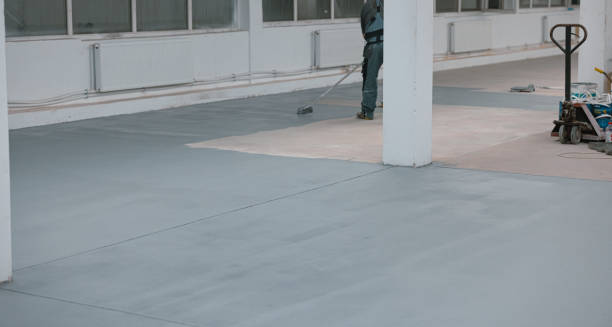
Busy workspaces place considerable demands on flooring every day. From manufacturing areas and commercial kitchens to warehouses and service facilities, surfaces must remain functional despite constant activity. Foot traffic, equipment movement, moisture, spills, cleaning chemicals, and temperature changes can gradually affect poorly selected materials. A well-designed flooring system can provide a more reliable foundation while helping businesses maintain cleaner, safer, and more organized environments.
Assessing Conditions Before Installation Begins
Every facility has different flooring requirements. Before selecting a system, it is useful to examine how the space operates throughout a normal day. Heavy machinery may require excellent load resistance, while food-related facilities may prioritize sanitation and frequent washdowns. Warehouses may experience constant vehicle movement, whereas retail spaces may focus more heavily on appearance and customer comfort.
Moisture is one of the most important environmental considerations. Repeated exposure to water can affect certain flooring materials and create maintenance difficulties. Areas subjected to frequent cleaning need surfaces that can tolerate regular washing without losing their functional qualities. A properly specified urethane cement flooring system may be appropriate for demanding environments where moisture, durability, and routine sanitation are major considerations.
Temperature should also be evaluated before installation. Rapid changes between hot and cold conditions can place stress on flooring surfaces. Facilities with heated equipment, refrigeration areas, steam cleaning, or outdoor exposure may require materials selected specifically for those circumstances. Understanding these conditions early can prevent unsuitable material choices and help support better long-term performance.
Designing Surfaces Around Daily Operations
A successful flooring project should complement the way a facility actually functions. Walkways, workstations, storage areas, production zones, and equipment locations may experience different levels of wear. Instead of treating the entire facility as one identical space, planners can consider the specific demands placed on each area.
Surface texture is another factor worth examining. A completely smooth finish may be easy to clean, but certain working environments may require additional traction. Slip resistance can become particularly important in areas where water, oils, food products, or other substances may reach the floor. The selected finish should balance safety, cleaning requirements, and everyday usability.
Visual consistency can improve the overall impression of a workplace. Clean, uniform surfaces can make a facility appear more organized and professionally maintained. Quartz epoxy flooring may be considered for locations that need a combination of decorative appeal and practical surface performance. Different colors and aggregate choices can help create distinctive areas while maintaining a cohesive design.
The appearance of a commercial floor can influence how customers, employees, and visitors perceive a facility. A clean and consistent surface can contribute to an organized atmosphere while remaining functional for daily activities. Material selection should therefore consider both practical performance and visual requirements. Quartz epoxy flooring can provide an option for locations where durability and decorative flexibility are important considerations.
Even durable flooring benefits from consistent maintenance. Regular cleaning helps remove dirt, residues, and substances that could gradually affect the surface. Cleaning methods should be compatible with the installed material and the facility's operational requirements. Establishing a straightforward maintenance schedule can make routine care easier for employees and reduce the chance of neglected areas.
Balancing Maintenance With Everyday Durability
Maintenance planning should be part of the flooring decision rather than something considered after installation. A surface that is difficult to clean can increase labor requirements and make it harder to maintain consistent hygiene. Flooring should therefore be selected with the facility's cleaning equipment, procedures, chemicals, and schedule in mind.
Routine inspections can also extend the useful life of a flooring system. Small cracks, chips, worn sections, or areas of surface damage should be identified early. Addressing minor concerns before they expand may help avoid more extensive repairs. Employees can also contribute by reporting spills, unusual surface changes, and damaged areas promptly.
Installation quality remains a major factor in long-term results. Even high-performance materials can underperform when the substrate has not been prepared correctly. Concrete may need cleaning, profiling, repairs, or moisture evaluation before the coating system is applied. Following appropriate preparation procedures helps establish a reliable bond and supports a more consistent finished surface.
Conclusion: Supporting Better Facility Performance
Flooring decisions influence more than the appearance of a workspace. The right system can support cleaning efficiency, workplace safety, durability, and long-term facility management. Urethane cement flooring can suit demanding environments where moisture, traffic, and repeated cleaning create significant challenges. Quartz epoxy flooring can offer another practical approach for spaces seeking a combination of durability and visual versatility. Careful assessment, suitable material selection, proper preparation, and professional installation can all contribute to a flooring system that supports daily operations effectively.