The Subtle Science of Fresh-Smelling Workplaces
-

- Published Updated
- 32 views
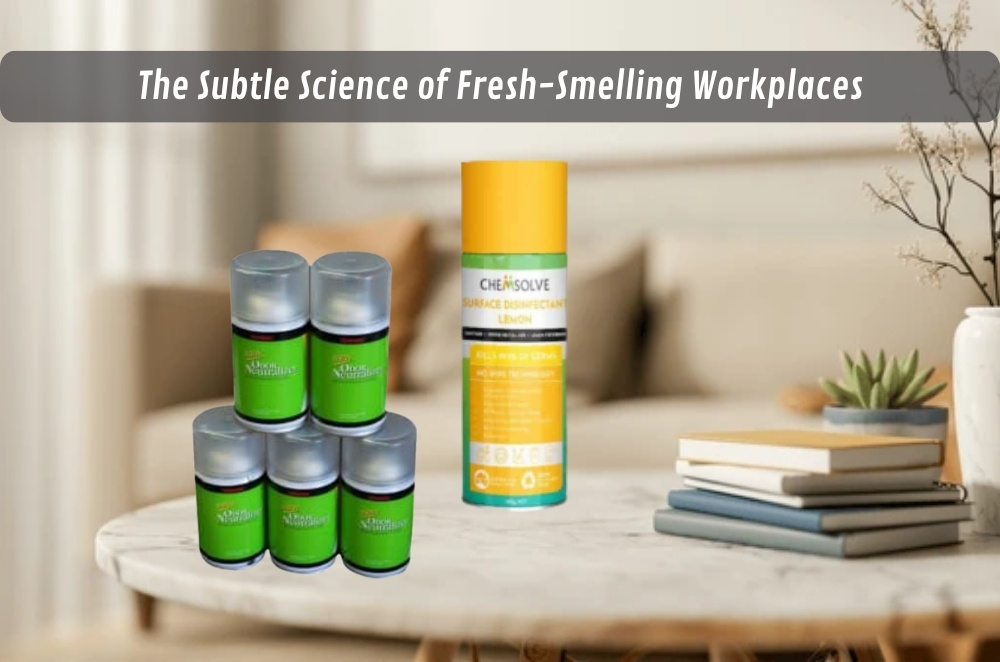
A stale meeting room or a clinical corridor that still carries yesterday’s lunch odours can change the way people feel about an organisation. Simple as it sounds, workplace scent plays into staff comfort, perceived cleanliness and even brand reputation. That is why facilities managers pay close attention to modern air fresheners and dispensers that release fragrance at precisely the right intervals rather than in one heavy burst.
Why Odour Control Goes Beyond “Nice to Have”
Smell is closely tied to memory. Guests will remember a foul whiff long after they have forgotten spotless floors. For businesses that welcome customers—think medical clinics, retail showrooms, aged-care centres—persistent odours undermine all the effort poured into cleaning schedules. Even back-of-house areas matter; lingering kitchen aromas travel through HVAC systems and end up in boardrooms.
Poor odour management can also mask underlying hygiene issues. A quick spray from a budget aerosol might hide a problem for an hour, but it rarely neutralises the source. The result is a cycle of over-fragrancing that staff start to resent. Purpose-built dispensers and enzyme-based fresheners, on the other hand, tackle smells at a molecular level and release fragrance steadily, keeping scent levels consistent.
Matching Fragrance Delivery to Each Zone
Open-plan office floors, washrooms and healthcare rooms have different airflow patterns and occupancy rates. That means one device rarely suits them all.
Dispensers work in three main ways:
Delivery style |
Best for |
Typical refill cycle |
Passive gel or membrane |
Small washrooms, cubicles |
30–45 days |
Programmable aerosol |
Retail floors, waiting areas |
30 days (variable) |
Fan-powered cartridge |
High-traffic corridors |
60–90 days |
The trick is to balance coverage with subtlety. Staff seated near a vent will notice overpowering fragrance long before the person two metres away catches a hint of it. Programmable units let you cut back spray frequency during quiet hours, saving refills and avoiding scent fatigue.
Balancing Fragrance and Hygiene Without Blowing the Budget
Refill costs add up quickly when you multiply them across dozens of devices. Buying generic cans online seems cheaper up-front, but propellant quality and valve design vary wildly. Cheaper cans clog or leak, forcing premature replacement and extra labour.
A facilities supervisor in a Sydney college recently compared budget refills with professional cartridges. The cheaper option saved just a few cents per day but required twice-weekly checks when nozzles stuck. The premium cartridge, although dearer, reduced call-outs and lasted the full programmed cycle. Over a semester, labour savings wiped out the price gap.
Health and Safety Considerations in 2026
Today’s workforce is fragrance-aware. Asthma, allergies and scent sensitivities are frequently cited in HR policies. That makes ingredient transparency crucial. Look for refills free from chlorofluorocarbons (CFCs), and check Safety Data Sheets for common irritants such as limonene or benzyl benzoate. Water-based aerosols and plant-based gels are increasingly common, lowering VOC levels without sacrificing performance.
Australian WHS guidelines don’t mandate a specific VOC threshold for air fresheners, but Safe Work Australia’s advice on indoor air quality offers clear targets for formaldehyde and other chemicals. Facilities teams that align with those voluntary targets sidestep complaints down the track. The NSW Health factsheet on odour control offers practical monitoring steps if you need baseline readings in sensitive environments.
Where Workplace Scent Strategies Land
Smart odour control is quiet, low-maintenance and barely noticed—precisely because it works. When fragrance release matches foot traffic and refill cycles sync with broader cleaning routines, visitors remember a fresh, neutral space rather than a blast of perfume. Facilities managers who treat air freshening as part of their hygiene system, not a cosmetic afterthought, free up time and keep complaints off their desk.
FAQs
How often should commercial air-freshener dispensers be serviced?
Most programmable units need a quick refill and battery check once a month. Passive gel systems stretch closer to six weeks, while fan-assisted units can reach three months before cartridge changes.
Are natural essential-oil fresheners safer for allergy sufferers?
“Natural” does not automatically mean hypoallergenic. Some essential oils trigger reactions. Check the allergen declaration on each fragrance blend and trial new scents in a small area first.
Can I use household plug-in fresheners in a workplace bathroom?
Domestic plug-ins are not designed for the higher humidity and airflow found in commercial washrooms. They also lack tamper-resistant housings. Commercial dispensers hold up better and meet compliance requirements.
Do scent marketing strategies apply to offices, or only retail?
While retailers use signature scents to influence mood and dwell time, office managers focus on neutral, clean notes that support concentration. Both rely on consistent, well-calibrated delivery rather than strong bursts.