Residential Schools in India: Building Strong Foundations for Lifelong Success
-

- Published Updated
- 7,640 views

Introduction
Choosing the right school is one of the most meaningful decisions parents make for their children. Education today extends beyond academic achievement and includes developing confidence, communication skills, leadership qualities, and emotional resilience. Families increasingly seek learning environments that support balanced growth and prepare students for future opportunities.
This growing interest has increased awareness of Residential Schools in India, where students experience structured academics along with opportunities for personal development, collaboration, and independent learning.
These educational environments encourage students to become confident individuals while developing discipline, adaptability, and strong social values.
What Makes Residential Education Unique?
Residential education creates a learning experience that continues beyond the classroom and becomes part of everyday life.
Campus Life and Structured Learning
A structured campus environment helps students maintain a healthy balance between studies, recreation, and personal development.
Students benefit from routines that encourage responsibility while allowing time for exploration and creativity. Living and learning together creates stronger connections and supports consistent academic progress.
Academic and Personal Development
Academic performance remains important, but residential education also prioritizes personal growth.
Students are encouraged to think independently, solve problems, and participate actively in activities that expand their interests and abilities.
Benefits of Residential Schools
Residential education helps create well-rounded individuals by combining educational achievement with practical experiences.
Academic Excellence
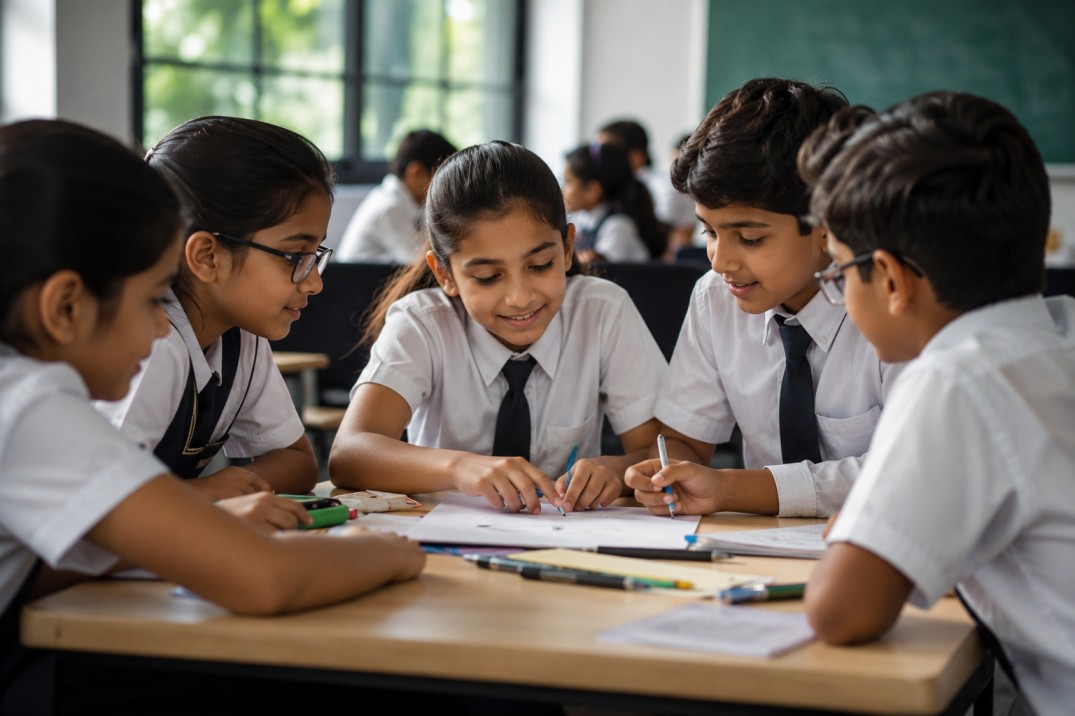
Students benefit from focused study environments, faculty support, and opportunities for collaborative learning.
Academic routines help build strong habits that contribute to long-term educational success.
Character Development
Living in a residential setting teaches students responsibility, discipline, and accountability.
Students gradually develop maturity through daily decision-making and community participation.
Leadership Opportunities
Leadership develops through experience.
Activities, clubs, student initiatives, and collaborative projects help students strengthen communication, teamwork, and confidence.
In institutions such as The Assam Valley School, students experience opportunities that encourage academic achievement while supporting leadership and holistic growth.
Independence and Responsibility
One of the strongest advantages of Residential Schools in India is the opportunity for students to become independent learners.
Students learn to manage routines, prioritize tasks, and adapt to changing situations while building confidence in their abilities.
Sports and Co-Curricular Participation
Sports and co-curricular activities contribute significantly to student development.
Participation encourages teamwork, perseverance, discipline, and healthy competition while helping students discover new interests.
Social and Emotional Growth
Residential education creates opportunities for students to build lasting friendships and develop interpersonal skills.
Daily interaction with peers encourages empathy, communication, and emotional awareness.
Why Parents Choose Residential Education in Modern Times
Parents increasingly value schools that prepare students for long-term success beyond examinations.
Holistic Learning
Holistic learning supports intellectual, emotional, physical, and social development.
Residential education provides opportunities that encourage growth across all these areas.
Balanced Student Development
Families seek educational environments that support academic performance while also encouraging confidence and emotional well-being.
Future Readiness
Preparing students for the future means developing adaptability, communication skills, leadership, and resilience.
Many parents choose Residential Schools in India because these institutions offer immersive learning experiences that support these qualities in meaningful ways.
How Students Benefit Beyond Academics
Education becomes more valuable when students gain skills that support success throughout life.
Life Skills Development
Students develop practical abilities such as time management, decision-making, responsibility, and resilience.
Collaboration and Communication
Living and learning with peers encourages students to communicate effectively and work in diverse groups.
Global Exposure and Confidence Building
Interaction with students from different backgrounds helps broaden perspectives and strengthen adaptability.
These experiences contribute to confidence and personal growth.
Choosing the Right School
Selecting the right educational environment requires thoughtful consideration.
Factors Parents Should Evaluate
Parents may consider:
Academic philosophy
Student support systems
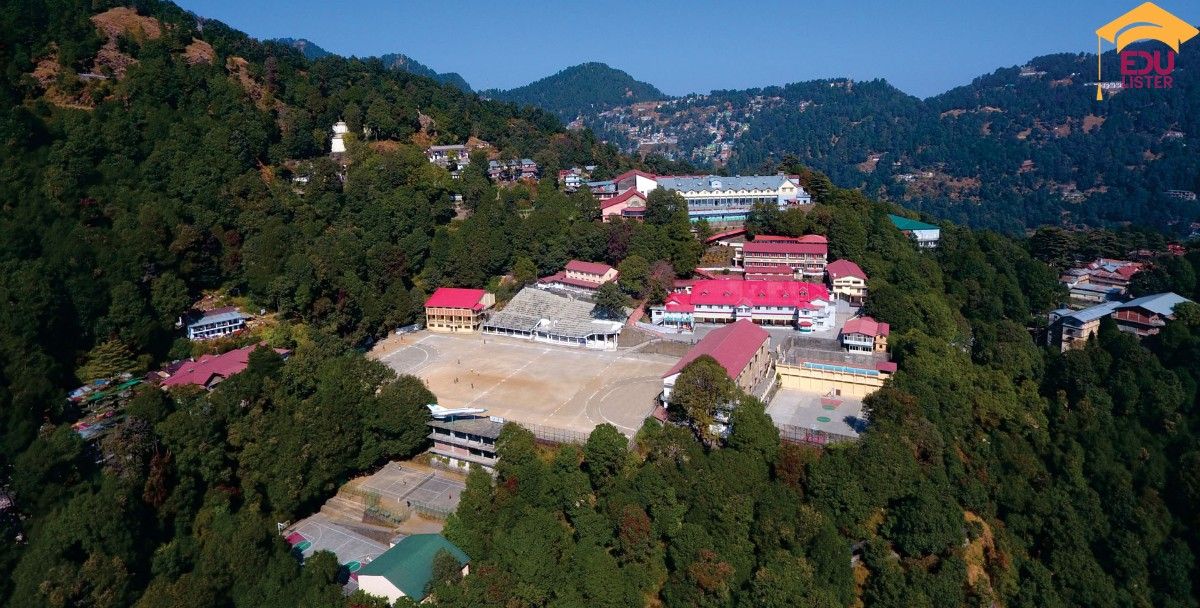
Campus environment
Co-curricular opportunities
Faculty involvement
Student well-being
Learning Environment and Student Support
A supportive educational setting helps students feel motivated while encouraging continuous growth and exploration.
Looking beyond rankings and focusing on overall development can help families make informed decisions.
Conclusion
Residential education continues to remain relevant because it supports more than academic outcomes. It encourages independence, leadership, emotional intelligence, and lifelong learning.
For families exploring educational opportunities that combine strong academics with holistic development, institutions such as The Assam Valley School reflect the broader value of residential education in preparing students to become capable and future-ready individuals.
Frequently Asked Questions
1. What are the advantages of residential education?
Residential education supports academic growth, independence, leadership, and life skills.
2. Are residential schools suitable for all students?
Different students thrive in different environments, but residential education can offer valuable developmental opportunities.
3. How do students become independent in residential schools?
Students build independence through routines, responsibilities, and guided decision-making.
4. What should parents evaluate before choosing a school?
Parents should consider academics, student support, co-curricular activities, and overall campus culture.