How to Choose Bathroom Wall Tiles: Materials, Layouts, and a TILE Checklist
-

- March 21st, 2026
- 446 views
Intent: Informational
Choosing bathroom wall tiles starts with matching material performance to the room's humidity, traffic, and design goals. This guide explains tile types, waterproof choices, installation considerations, and an actionable TILE checklist so decisions are confident and practical.
- Pick tile material based on moisture resistance and maintenance needs.
- Use grout, waterproofing, and backing boards together to prevent leaks.
- Follow the TILE framework: Type, Installation, Layout, Environment.
Choosing bathroom wall tiles: what to prioritize
Bathroom wall tiles must balance durability, water resistance, aesthetics, and budget. Ceramic and porcelain are common for good reason: both resist moisture and clean easily, while natural stone and glass provide premium looks with added maintenance. Also consider size, finish, and grout lines—each affects cleaning and perceived space.
Tile materials and trade-offs
Understanding material properties reduces costly mistakes. Common options include:
- Ceramic: Glazed surface, affordable, wide color and pattern range. Easier to cut and install; slightly less dense than porcelain.
- Porcelain: Denser and less porous than ceramic; excellent moisture resistance and durability—suitable for wet walls and shower surrounds.
- Glass: Non-porous and visually reflective; great for accent walls and mosaics but requires careful substrate prep to avoid lippage.
- Natural stone (marble, travertine, slate): High-end look but porous; needs sealing and attentive maintenance.
- Large-format porcelain: Fewer grout lines, modern look; needs a flat substrate and proper adhesive to prevent cracking.
Trade-offs and common mistakes
- Choosing natural stone for a shower without planning for sealing and cleaning frequency.
- Picking very large tiles without addressing substrate flatness, leading to lippage and cracked tiles.
- Underestimating the role of grout—cheap grout or improper sealing is a frequent cause of staining and mold.
Waterproofing and backing: waterproof wall tile options
Tiling performance depends on more than the tile itself. Waterproofing the substrate, using cement backer board, and applying an appropriate dampproof membrane are essential steps for wet areas. For code and best-practice recommendations, consult organizations such as the Tile Council of North America: Tile Council of North America.
The TILE framework: a practical checklist for selecting and installing tiles
Apply the TILE framework to guide decisions and communicate requirements with contractors or DIY plans.
- T — Type: Choose material (ceramic, porcelain, glass, stone) based on moisture and wear.
- I — Installation: Confirm substrate, adhesive, grout type, waterproofing, and recommended trades.
- L — Layout: Decide tile size, pattern, grout width, and how transitions to other finishes will be handled.
- E — Environment: Account for humidity, temperature swings, and cleaning routine when selecting finish and colour.
Practical example: small shower revamp
Scenario: A 36" x 36" shower with water exposure and a low maintenance requirement. Apply the TILE framework:
- T: Select porcelain subway tiles for low porosity and easy cleaning.
- I: Install cement backer board, a peel-and-stick waterproof membrane, and polymer-modified thinset. Use a grout with added sealer or epoxy grout for better stain resistance.
- L: Stagger the subway tiles in a running bond pattern to minimize visible grout lines and make the small space feel larger.
- E: Choose a satin finish to hide water spots and provide slip resistance on the shower floor (if tiling floor); limit grout to 1/16–1/8" on the walls for easy cleaning.
Layout, size, and visual impact
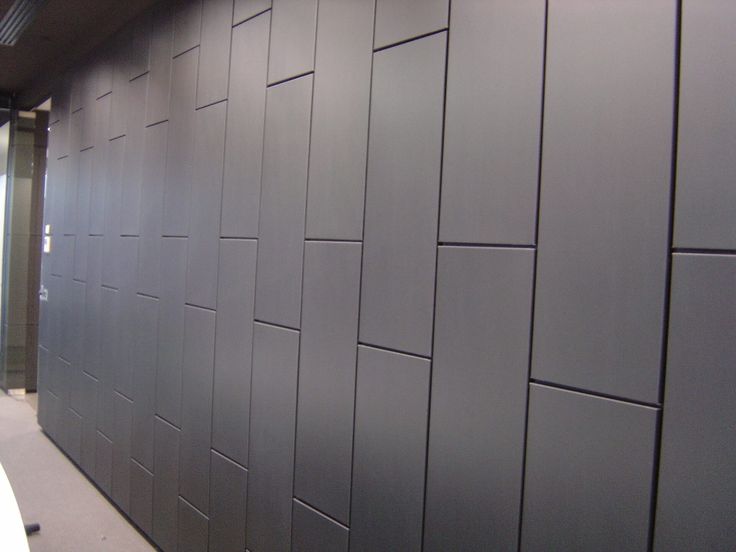
Tile size and pattern change perceived scale. Large-format tiles reduce grout lines and can make a bathroom feel more spacious, while small mosaics add texture and grip in shower floors. Vertical layouts elongate walls; horizontal layouts widen them. Consider feature walls or borders to create focal points without overcomplicating cleaning and maintenance.
Practical tips for a smooth project
- Buy 10–15% extra tile for cuts, waste, and future repairs; store from the same production batch when possible to avoid shade variation.
- Match grout and caulk colours carefully—seal grout first and use a colour-matched caulk at joints to allow movement without visible gaps.
- Use a tile spacer plan in layout mockups to verify pattern before fixing tiles; dry-lay key areas like corners and niches.
- Prefer epoxy grout in high-moisture or high-stain areas for long-term durability; otherwise, choose a sealed cement grout and reseal annually as needed.
- Document tile codes and supplier batch numbers for warranty or future repairs.
Common mistakes to avoid
- Failing to waterproof under the tiles: tiles are not a waterproof system by themselves.
- Using floor-grade tiles for walls or vice versa without checking ratings—each tile has performance ratings for intended use.
- Ignoring substrate flatness when using large-format tiles, which can cause cracks or uneven surfaces.
Maintenance and long-term considerations
Choose tile finishes that align with maintenance willingness. Polished surfaces show water spots and require more wiping; matte or textured finishes hide fingerprints and scale better. Plan grout care: sealed grout lasts longer and resists mold; periodic re-sealing is part of routine maintenance, especially in busy households.
Core cluster questions
- What are the most durable tile materials for bathroom walls?
- How to waterproof a shower wall before tiling?
- Which tile size is best for a small bathroom?
- What grout type is best for bathroom walls?
- How to match tile color and lighting in a bathroom remodel?
FAQ
How to choose bathroom wall tiles for a small shower?
For small showers, select porcelain or glazed ceramic tiles in lighter colors and a medium to small tile size to reduce visual clutter. Use narrow grout lines (1/16"–1/8") and consider a vertical stacked layout to create a feeling of height. Ensure the substrate and waterproofing system are installed correctly to avoid leaks.
Are porcelain tiles better than ceramic for bathrooms?
Porcelain is denser and typically less porous than ceramic, making it more water-resistant and durable—often the preferred choice for wet areas. Ceramic remains a cost-effective option with many design choices, suitable for bathroom walls where extreme moisture exposure is managed with proper waterproofing.
What is the best tile material for shower walls?
Porcelain and glazed ceramic are top choices for shower walls due to their low porosity and ease of cleaning. Glass mosaics can be used as accents but require precise installation. If choosing natural stone, plan for sealing and regular maintenance to prevent staining and water damage.
Can large-format tiles be used on bathroom walls?
Large-format tiles can create a seamless look with fewer grout lines, but they need a flat substrate and proper adhesive coverage to avoid lippage and stress cracks. Evaluate wall flatness and consult installation guidelines for large-format porcelain before proceeding.
How often should grout be resealed in a bathroom?
Sealed grout typically needs resealing every 12–24 months in high-moisture environments. Check grout condition annually—if water beads on the surface, the seal is effective; if it absorbs quickly, reseal to maintain stain and mold resistance.