PRP Treatment for Hair Loss: Options, Timeline, and Results
-
- March 12th, 2026
- 788 views
PRP treatment for hair loss is a minimally invasive option that uses a patient’s own platelets to encourage thicker hair and slow hair thinning. This guide explains how PRP works, compares common PRP hair restoration options, and provides a practical checklist and timeline for realistic expectations. Detected intent: Informational.
- What this covers: treatment types, candidate selection, timeline, risks, and practical tips.
- Key takeaway: PRP can improve hair density for selected candidates but usually requires multiple sessions and maintenance.
- Detected dominant intent: Informational
PRP treatment for hair loss: how it works
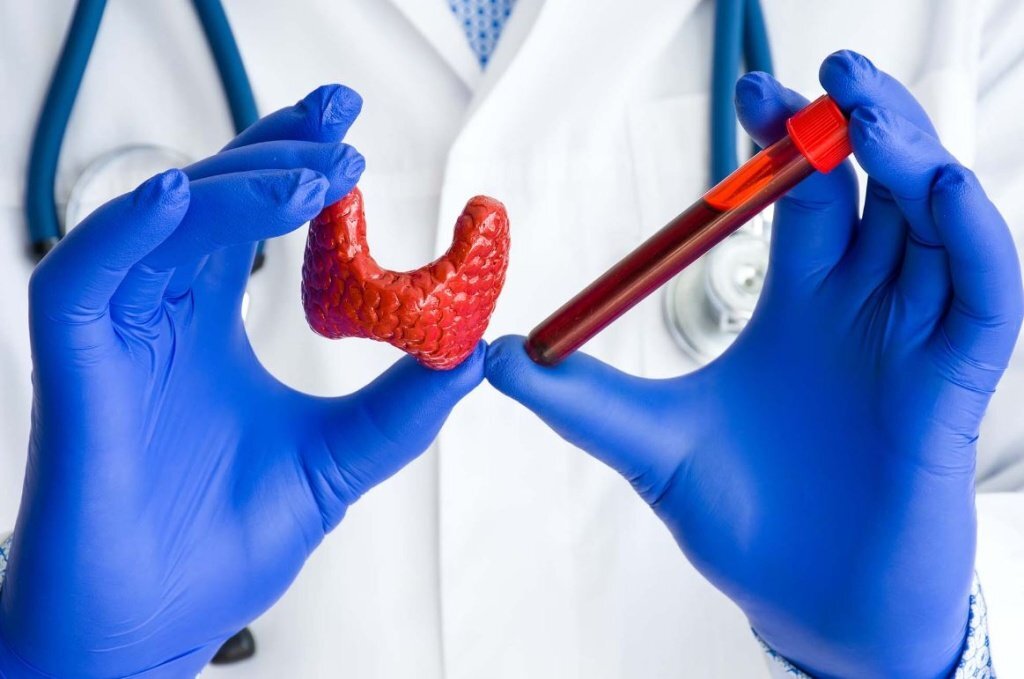
Platelet-rich plasma (PRP) is a concentration of platelets and growth factors derived from blood. During a PRP session, a small blood sample is centrifuged to concentrate platelets; the resulting plasma is injected into the scalp or applied with needling to stimulate hair follicles. The biological rationale is that signaling proteins and growth factors in platelet concentrates may increase hair follicle activity, improve hair shaft thickness, and reduce miniaturization associated with androgenetic alopecia (pattern hair loss).
Common PRP hair restoration options and protocols
Not all platelet concentrates or delivery methods are identical. Terms and options include:
- Standard PRP: Centrifuged platelet-rich plasma injected into the scalp at set intervals (often every 4–8 weeks initially).
- PRF (platelet-rich fibrin): A newer, slower-release concentrate with a fibrin matrix—less anticoagulant and a different release profile of growth factors.
- Combination approaches: PRP with microneedling, topical minoxidil, low-level laser therapy, or hair transplant procedures to amplify outcomes.
Protocols vary by clinic. A common course is 3 monthly sessions, then maintenance every 3–6 months. Outcomes depend on platelet concentration, injection technique, and patient factors such as age and pattern of hair loss.
Who is a good candidate?
Ideal candidates generally have:
- Early to moderate pattern hair loss (both male and female pattern types)
- Stable general health and no active scalp infection
- Realistic expectations (improvement in density, not guaranteed full regrowth)
Less likely to benefit: advanced scarring alopecia, long-standing complete baldness in treatment areas, or conditions that impair healing (uncontrolled diabetes, certain platelet disorders).
PRP vs platelet-rich fibrin and related choices
Trade-offs matter: PRF may offer a slower, sustained release of growth factors and reduced use of anticoagulant, but comparative evidence is still developing. Combining PRP with microneedling can improve penetration, yet increases procedural time and temporary discomfort. Choosing a protocol requires balancing evidence, cost, and tolerance for repeated procedures.
Common mistakes when choosing a protocol
- Expecting immediate or dramatic results after a single session.
- Ignoring baseline assessments (photographs, hair counts, lab tests when indicated).
- Assuming all PRP preparations are the same — centrifuge speed, platelet yield, and activation method vary.
PRP 5-step assessment framework
A concise checklist helps standardize candidate evaluation. Use the PRP CARE Checklist:
- Clinical assessment — document pattern, duration, and previous treatments.
- Age & comorbidities — review medical history and medications.
- Review labs — check for bleeding disorders or deficiencies when relevant.
- Expectations — set measurable goals and timeline.
- Checklist follow-up — plan maintenance and objective photo comparisons.
Procedure timeline, recovery, and expected results
Typical timeline: initial series of 3 sessions spaced 4–6 weeks apart, then maintenance every 3–6 months. Minor swelling, tenderness, or pinpoint bleeding is common for 24–72 hours. Noticeable changes often appear after 3–6 months, with continued improvement over a year. Clinical studies vary; hair count and thickness gains are usually modest to moderate.
Short real-world example
A 38-year-old with early male-pattern thinning followed the PRP CARE Checklist. After baseline photos and normal labs, three monthly PRP sessions were performed with topical growth-factor cream and daily minoxidil. At month six the patient reported thicker feel and photos showed increased miniaturized hair diameter in the central scalp. Maintenance sessions were scheduled every five months.
Practical tips for patients and clinicians
- Confirm platelet yield: ask clinics about centrifuge protocol and expected platelet concentration.
- Combine therapies thoughtfully: PRP plus approved topical or oral therapies often yields better sustained results than PRP alone.
- Document progress: take standardized photos and, if available, objective hair counts before starting.
- Avoid NSAIDs for 48–72 hours around treatment unless medically necessary (they may affect platelet function).
Trade-offs and common mistakes
Trade-offs include cost versus benefit, frequency of maintenance, and procedural discomfort. Common mistakes are selecting PRP as a single long-term solution without adjunct therapies, under-documenting outcomes, or choosing providers without clear protocols for platelet concentration or sterile technique.
Core cluster questions
- How many PRP sessions are usually needed for hair improvement?
- What is the difference between PRP and PRF for hair loss?
- Can PRP be combined with hair transplant surgery?
- Which candidates are least likely to respond to PRP?
- What are the expected costs and maintenance schedule for PRP hair restoration?
For guidance on hair loss evaluation and standard treatment options from a professional organization, see the American Academy of Dermatology resource on hair loss treatments: American Academy of Dermatology — PRP and hair loss.
FAQ
How long before results are seen from PRP treatment for hair loss?
Results typically appear after 3–6 months, with further improvement over 9–12 months. Multiple sessions and maintenance are common.
Is PRP hair restoration painful and what is the recovery?
Most patients experience mild to moderate discomfort during injections and minor soreness afterward; recovery allows return to normal activities within 24–48 hours for most people.
How does platelet-rich plasma hair treatment compare to other options?
PRP is less invasive than surgery and can complement topical or oral therapies. It is generally not a replacement for transplant surgery in advanced baldness but can improve density and follicle health in earlier stages.
How much does PRP hair loss treatment cost and is it covered by insurance?
Costs vary widely by region and protocol; many plans consider PRP cosmetic and do not cover it. Expect to pay per session, with several sessions needed for optimal effect.
Are there risks or side effects associated with PRP?
Risks are low because the material is autologous: temporary pain, swelling, infection (rare), or temporary hair shedding can occur. Providers should follow sterile technique and proper patient screening.
For decisions about PRP, consult a board-certified dermatologist or hair restoration specialist who can assess candidacy, review alternatives, and document a realistic plan aligned with the PRP CARE Checklist.