Rimless Wall-Hung Toilets: Hygiene, Design and Water Efficiency Explained
-

- February 23rd, 2026
- 1,358 views
The term rimless wall-hung toilets refers to a style of wall-mounted toilet pan that omits the traditional inner rim around the ceramic bowl. This design change affects how water travels during a flush, how the bowl is cleaned, and how microbes and limescale accumulate. Interest in rimless wall-hung toilets has increased because of claimed improvements in hygiene, ease of maintenance, and modern aesthetics.
- Rimless wall-hung toilets replace the conventional rim with a direct-flush or washdown route for water, reducing hiding places for dirt.
- Common benefits include simpler cleaning, better user access beneath the bowl, and a compact profile suited to modern bathrooms.
- Performance depends on toilet geometry, cistern type, and flush volume; water efficiency standards and proper installation are important factors.
Rimless wall-hung toilets: Design, hygiene, and performance
What does "rimless" mean in toilet design?
In a rimless toilet, the conventional overhanging rim that encircles the bowl is removed. Instead, water is delivered via a channel or nozzle system that directs the flush across the bowl surface. This produces a more direct flow of water during the flush and eliminates the small cavities under a rim where debris and bacteria often collect.
How wall-hung mounting affects use and maintenance
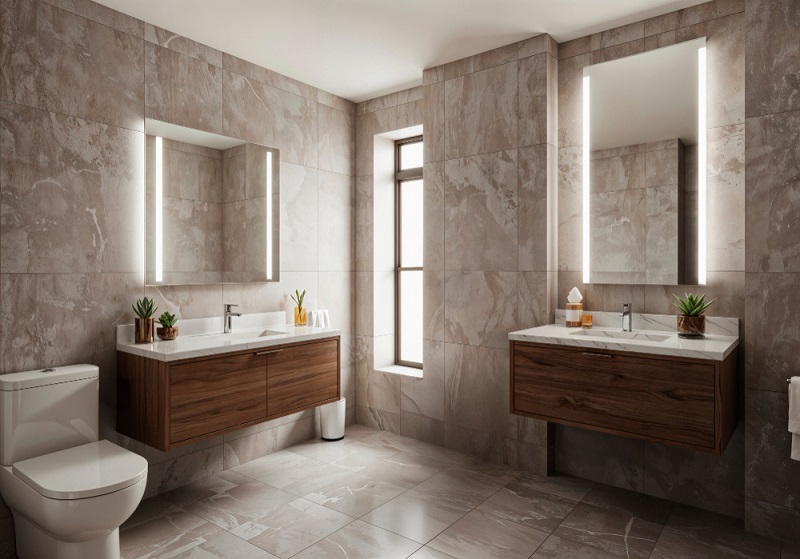
Wall-hung toilets are attached to a steel frame or carrier concealed behind the wall and connect to an in-wall cistern. This mounting raises the bowl off the finished floor, making the floor underneath easier to clean and providing a streamlined visual appearance. In combined rimless wall-hung products, the absence of the rim plus the elevated position simplifies access for mopping or wiping the floor and bowl exterior.
How rimless designs work
Flush mechanics and bowl geometry
Rimless systems rely on precisely shaped water outlets and bowl contours to distribute water. Two common approaches are direct-flush nozzles and peripheral channels that produce a sweeping flow across the bowl surface. Proper bowl geometry is essential to ensure waste is carried efficiently into the trapway while minimizing splash-back and splash-out.
Hygiene considerations
Removing the rim reduces pocket areas where biofilm and limescale can form. This does not render the toilet sterile, but it can reduce the time and chemical effort needed for routine cleaning. Public-health authorities such as the World Health Organization emphasize that good sanitation practice relies on appropriate cleaning regimes and water supply controls; product design is one of several factors that influence hygiene outcomes.
Installation, components, and performance factors
In-wall cisterns and frame systems
Wall-hung toilets require a concealed carrier frame to support the pan and the in-wall cistern. Frames are rated for different loads and must comply with local building codes. Access panels or removable flush plates allow maintenance of the cistern without disturbing wall finishes.
Flush volume, trapway, and testing standards
Flush volume and trapway design determine how effectively a toilet clears waste. Many jurisdictions reference test standards for WC pans and cisterns to evaluate performance and water use; for example, European technical standards describe performance criteria for pans and flushing systems. Water efficiency labeling programs may also provide guidance on acceptable flush volumes for domestic and commercial installations.
Water efficiency, standards, and environmental implications
Reducing water use without compromising performance
Rimless wall-hung toilets are available with single- or dual-flush cisterns to limit water use per flush. Careful design and testing can achieve acceptable cleaning performance at lower volumes, but effectiveness varies by model and installation. Water-efficiency programs such as the U.S. Environmental Protection Agency's WaterSense outline criteria and best practices for plumbing fixtures and can be consulted when selecting low-flow options. For more information, see the EPA WaterSense program: https://www.epa.gov/watersense.
Lifecycle and material considerations
Ceramic remains the most common material for toilet bowls due to durability and ease of cleaning. Surface glazes and antimicrobial coatings are sometimes promoted to reduce staining and microbial adherence, though claims should be examined in the context of independent testing and regulatory guidance.
Maintenance, cleaning, and practical considerations
Routine cleaning practices
Rimless designs simplify access to the bowl interior, making manual cleaning faster. Standard cleaning agents and protocols used for traditional pans are still applicable. For commercial settings, follow cleaning guidance from public health authorities and local regulators to maintain sanitation levels.
Common concerns and trade-offs
Some users report increased visibility of the bowl interior with rimless designs, which may require more frequent attention. Flush noise and splash behavior depend on cistern type and bowl shape; reviewing independent performance tests or certification data can clarify expected outcomes. Proper installation by a qualified tradesperson reduces the risk of leaks and ensures the carrier frame meets load specifications.
Choosing between rimless and rimmed toilets
Decision factors
Selection should consider hygiene priorities, cleaning workload, available wall depth for in-wall frames, water-efficiency goals, and cost. Building codes and accessibility standards may influence mounting height and flush controls. Review product performance data, independent test reports, and local plumbing regulations when comparing options.
Frequently asked questions
Are rimless wall-hung toilets more hygienic than rimmed models?
Rimless designs reduce hidden crevices and can make cleaning easier, which may lower accumulated dirt and biofilm compared with traditional rimmed pans. Hygiene also depends on cleaning frequency, water quality, and fixture maintenance; product design is one of several contributing factors.
Do rimless wall-hung toilets use less water?
Water usage is determined by the cistern and flush mechanism rather than rimless status alone. Many rimless models are offered with water-saving cisterns, but performance at low flush volumes varies by design and should be verified against efficiency standards or test results.
Is installation of rimless wall-hung toilets more complicated?
Wall-hung installation requires a supporting frame and in-wall cistern, which can make installation more involved than floor-mounted models. Once installed, access panels permit maintenance; professional installation ensures compliance with structural and plumbing requirements.
How should rimless wall-hung toilets be cleaned to maintain performance?
Use recommended cleaning agents and follow building or public health guidance for frequency and methods. Regular maintenance of the cistern and trapway helps preserve flush performance and prevents buildup that could affect hygiene over time.