Risks and Safety Considerations for Vampire Facials in Dubai
-
- Published Updated
- 1,433 views
Vampire facials Dubai have grown in popularity as a cosmetic treatment that uses platelet-rich plasma (PRP) and microneedling to promote skin rejuvenation. While marketed for improving texture and tone, this category of procedures carries risks related to blood handling, infection control, scarring and inconsistent outcomes. Understanding those risks and the local regulatory environment can help people make informed decisions.
- Vampire facials combine PRP (blood-derived growth factors) with micro-needling. The procedure involves drawing and processing blood, then applying it to the skin.
- Main risks include infection, transmission of bloodborne pathogens, poor wound healing, scarring, allergic or inflammatory reactions and variable cosmetic results.
- Regulation and clinic licensing vary; patients should verify practitioner qualifications, clinic hygiene, device sterilization and informed consent procedures.
- Official health regulators such as the Dubai Health Authority set standards for cosmetic clinics; ask for documentation of compliance before treatment.
Vampire facials Dubai: what the procedure involves
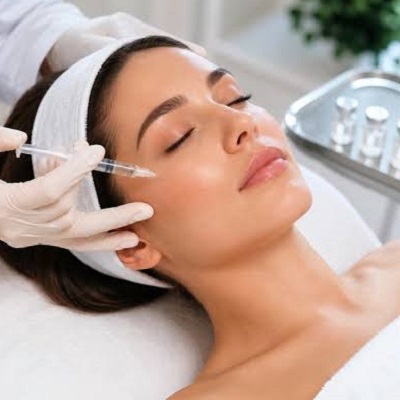
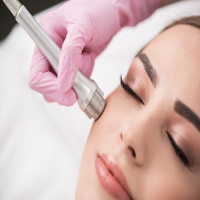
In a typical vampire facial the provider draws a small amount of the patient’s blood, processes it to concentrate platelets (PRP), and then uses micro-needling or injections to deliver PRP to the skin. Devices used include centrifuges for PRP preparation and motorized or manual needling tools. The term "vampire facial" is colloquial; medically, the treatment is described as PRP with microneedling or PRP injections.
Health risks and potential complications
Risks stem from both the invasive nature of needling and the handling of blood. Common and uncommon complications include:
- Infection: Bacterial, viral or fungal infections may occur if instruments or treatment areas are not sterile. Improper handling of blood increases this risk.
- Transmission of bloodborne pathogens: Hepatitis B, hepatitis C and HIV are theoretical risks if blood-handling protocols and single-use supplies are not followed.
- Inflammation and allergic reactions: PRP is autologous (from the patient), reducing allergic reaction risk, but topical products or contamination can cause inflammation.
- Scarring and pigment changes: Microneedling can cause hypertrophic scarring or post-inflammatory hyperpigmentation, especially in darker skin tones.
- Poor cosmetic outcomes: Evidence for PRP effectiveness is mixed. Variability in PRP concentration, technique and device quality affects results.
Guidance from infection-control authorities emphasizes safe blood handling, single-use needles where appropriate, and strict sterilization of reusable equipment. Regulatory bodies such as the World Health Organization and national health ministries highlight the importance of standard precautions to prevent bloodborne disease transmission.
Regulation, licensing and choosing a clinic
Regulatory oversight for cosmetic procedures differs by jurisdiction. In Dubai, licensing and facility standards are enforced by health authorities; patients are advised to confirm that a clinic is licensed and that practitioners are qualified for invasive dermatologic procedures. Clinic accreditation, visible infection-control policies and transparent consent forms are important trust signals. For official guidelines and licensing information, consult the local health regulator such as the Dubai Health Authority.
Key questions to ask a clinic before treatment:
- Is the practitioner medically trained and licensed to perform PRP and microneedling?
- Are blood-draw and PRP processing protocols performed in a clinical lab environment with appropriate controls?
- Are single-use needles and sterile disposables used for each patient?
- What are the clinic’s infection-control procedures and sterilization records for reusable equipment?
- Is there written informed consent that explains benefits, risks and alternatives?
How to reduce risk if considering the procedure
Reducing risk involves careful selection of provider and following pre- and post-procedure guidance:
- Verify practitioner credentials and clinic licensing. Prefer dermatologists or plastic surgeons with documented experience.
- Confirm that blood-handling follows standard precautions: trained staff, clean centrifuge protocols, and secure disposal of biohazard waste.
- Avoid treatments performed in non-clinical settings or by unlicensed personnel. Pop-up events or beauty salons without medical oversight increase risk.
- Follow pre-procedure instructions to reduce bleeding risk and post-procedure wound care to minimize infection chance.
- Seek immediate follow-up for signs of infection, unexpected pain, fever, spreading redness, pus or systemic symptoms.
Evidence and professional recommendations
Clinical evidence for PRP combined with microneedling shows variable outcomes depending on study design, indication and practitioner technique. Systematic reviews and dermatology societies note that while PRP may offer benefits for certain conditions, more high-quality randomized trials are needed to define optimal protocols and long-term safety. National regulators and professional dermatology organizations recommend practitioner training, proper facility standards and patient counseling before cosmetic blood-based treatments.
Are vampire facials Dubai clinics safe?
Safety depends on clinic licensing, practitioner training and adherence to infection-control practices. Licensed medical facilities that follow standard precautions for blood handling and use sterile, single-use needles generally present lower risk than unregulated or non-clinical settings.
What infections can result from PRP facial treatments?
Potential infections include local bacterial infections (cellulitis, abscess), viral infections if bloodborne pathogens are transmitted, and rare systemic infections. Immediate medical evaluation is advised for signs of infection.
How to verify a practitioner’s qualifications?
Request to see professional licenses, ask for a description of training in PRP and microneedling, and check whether the clinic is registered with the relevant health regulator. Look for documented experience treating similar skin types and conditions.
Is there long-term evidence supporting vampire facials?
Long-term evidence is limited and results vary; some studies report improvement in skin texture and scarring, while others show minimal benefit. Clinical guidelines emphasize informed consent and setting realistic expectations.
When to seek medical attention after a treatment?
Seek urgent care for fever, spreading redness, severe pain, pus drainage or any systemic symptoms. For non-urgent concerns, contact the treating clinic for follow-up and management.