Riyadh Laser Treatments: Practical Guide to Long-Term Results
-

- Published Updated
- 1,453 views
Interest in Riyadh laser treatments has grown as more clinics offer advanced procedures such as laser hair reduction, fractional resurfacing, and vascular or pigment-targeting therapies. This article explains common technologies, typical outcomes, safety considerations, and factors to weigh when choosing care in Riyadh.
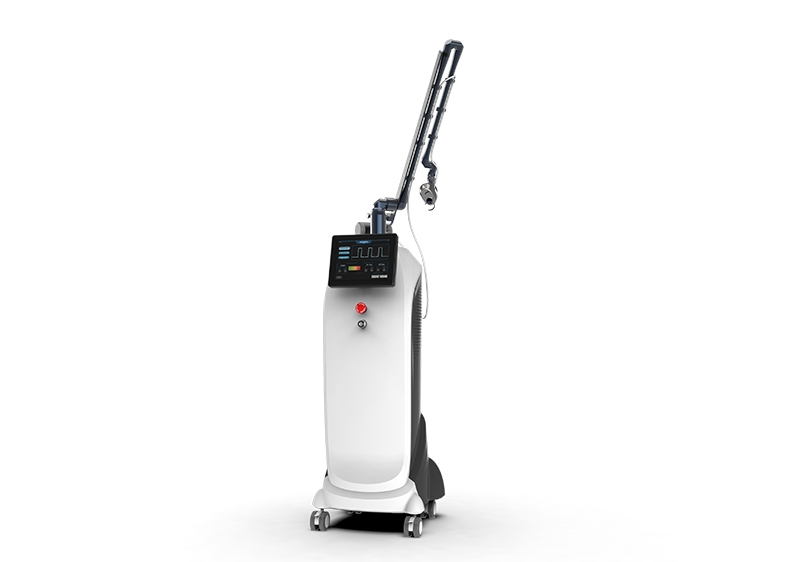
- Laser procedures in Riyadh use similar technologies found worldwide, including diode, Nd:YAG, IPL, fractional CO2 and erbium lasers.
- Results vary by procedure, skin type, and provider skill; multiple sessions and maintenance are often needed.
- Regulation, practitioner training, infection control, and realistic expectations matter for safety and satisfaction.
Riyadh laser treatments: common procedures and how they work
Laser and light-based treatments target tissue using specific wavelengths absorbed by chromophores such as melanin, hemoglobin, or water. Common procedures offered in Riyadh include:
Laser hair reduction
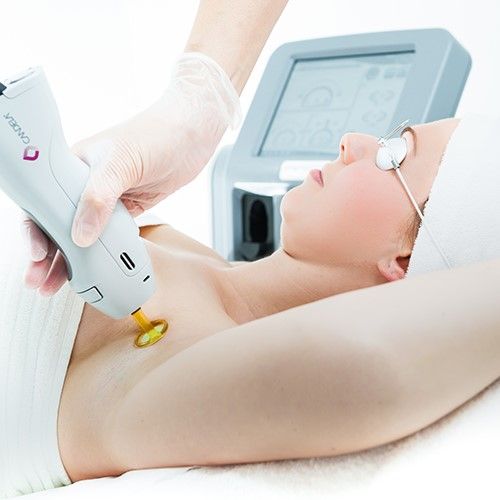
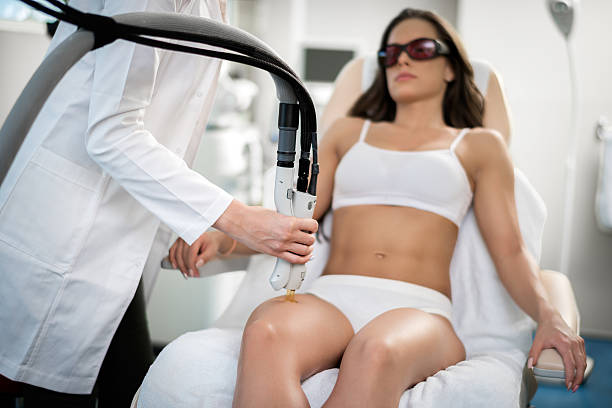
Devices such as diode and Nd:YAG lasers target melanin in hair follicles to reduce hair growth over a series of sessions. Efficacy depends on hair color, thickness, and the Fitzpatrick skin phototype.
Skin resurfacing and rejuvenation
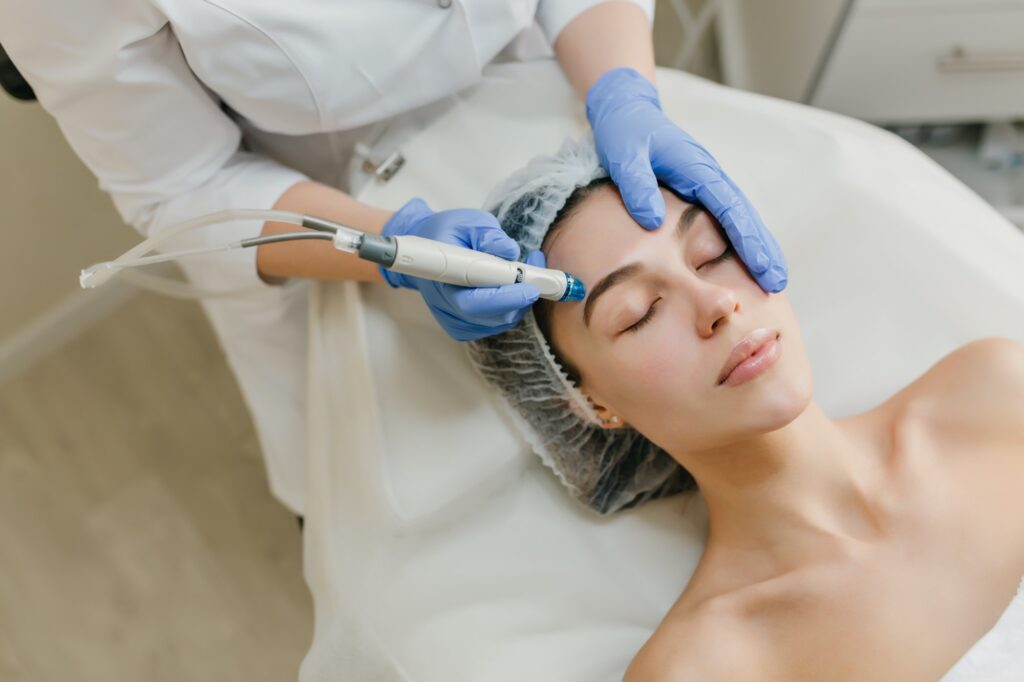
Fractional ablative and non-ablative lasers remodel collagen and treat texture, fine lines, and scarring. Recovery ranges from minimal to several days depending on the device and settings.
Vascular and pigment treatments
Lasers tuned to hemoglobin or melanin can reduce visible veins, rosacea-related redness, or hyperpigmentation. Multiple treatments and sun protection help maintain results.
Choosing a clinic in Riyadh
Clinic reputation, staff qualifications, and visible before-and-after results are important. Check that clinicians are licensed and that facilities follow standard infection control and laser safety practices. Local regulation and credentialing may be overseen by national health authorities; patients can consult official resources for provider verification.
What to expect from results and maintenance
Realistic timelines
Most laser services require a course of sessions spaced weeks apart. Hair reduction typically needs multiple treatments to target different growth cycles. Skin resurfacing may produce incremental improvement with the most noticeable effects after full healing and collagen remodeling.
Longevity and follow-up
Long-term outcomes depend on the procedure, lifestyle factors, hormonal influences, and photoprotection. Maintenance sessions are common for hair reduction and vascular therapies. Use of sunscreen and avoidance of excessive sun exposure help preserve results.
Safety, regulation and aftercare
Regulation and professional standards
Regulatory agencies and dermatology associations set standards for device use and practitioner training. For local guidance on licensed facilities and practitioners, consult the relevant national health authority. For example, the Saudi Ministry of Health provides information on licensed healthcare facilities and standards for medical services: https://www.moh.gov.sa.
Common side effects and management
Temporary redness, swelling, pigmentary changes, and scabbing are commonly reported after many laser procedures. Serious complications are uncommon when treatments are performed by trained practitioners using appropriate settings, but risk increases with inadequate assessment, unsuitable devices, or poor aftercare. Evidence-based guidance from professional bodies such as dermatology societies discusses management of complications and safe practice standards.
Pre- and post-procedure steps
Standard precautions include a pre-treatment assessment of medical history and skin type, avoidance of certain medications or photosensitizing agents when appropriate, and adherence to post-treatment instructions such as sun avoidance and topical care. Specific recommendations vary by procedure and clinician.
Costs, accessibility and considerations specific to Riyadh
Pricing and availability vary across private clinics and medical centers. Consider clinic accreditation, practitioner experience, and transparent pricing that includes follow-up care. For residents and visitors, confirm language services and clear communication about expected outcomes and potential additional sessions.
Frequently asked questions
Are Riyadh laser treatments safe for darker skin tones?
Many modern lasers and protocols can be used safely on a range of skin phototypes when an experienced provider selects appropriate wavelengths and settings. Risk of pigmentary change is higher with darker skin, so practitioner experience and conservative settings are important.
How many sessions are typical for laser hair reduction?
Hair reduction commonly requires multiple sessions (often 4–8) spaced several weeks apart to target different hair growth cycles. Maintenance treatments may be needed over time.
Do laser results last forever?
Some procedures produce long-lasting improvement, but no laser guarantees permanent change for every patient. Hormonal influences, sun exposure, and aging can alter results. Follow-up and maintenance strategies help sustain benefits.
What should be checked before choosing a clinic?
Confirm practitioner credentials, device type, documented outcomes, infection control practices, and clear pre/post-treatment instructions. Verify that the facility adheres to local regulatory requirements and ask about management plans for uncommon complications.
For those considering treatments, review reputable guidance from health authorities and dermatology organizations, and schedule a clinical consultation to discuss suitability and expectations with a qualified provider.