Riyadh’s Best Plastic Surgery Guide: Choosing a Top Surgeon for Safe, Elegant Results
-

- February 23rd, 2026
- 1,388 views
The search for a top plastic surgeon in Riyadh often centers on safety, outcomes and experience. This guide outlines practical criteria to evaluate surgical qualifications, clinical settings, common procedures and patient-centered considerations to help people make informed choices about cosmetic and reconstructive care.
- Look for board or specialty certification, hospital privileges and transparent results.
- Verify credentials through national regulators and confirm facility accreditation.
- Prioritize clear consultations, realistic expectations and structured follow-up care.
Top plastic surgeon in Riyadh: essential qualifications and credentials
Choosing a top plastic surgeon in Riyadh begins with verifying formal training, certification and professional standing. Key credentials include a recognized surgical specialty certificate, membership in relevant professional societies, and current registration with national regulators. In Saudi Arabia, registry status and licensing are managed by the Saudi Commission for Health Specialties, which maintains professional records and specialty recognition. Saudi Commission for Health Specialties
Board certification and specialty training
Confirm that the surgeon completed accredited training in plastic, reconstructive or aesthetic surgery. Specialty certification indicates a standardized curriculum and examination process. Ask where training was completed and whether the surgeon pursues ongoing professional education.
Hospital privileges and facility accreditation
Surgeons who hold privileges at accredited hospitals typically meet institutional review standards. Facility accreditation by national bodies (for example CBAHI in Saudi Arabia) signals adherence to safety, infection control and anesthesia practices. Accredited operating environments reduce risk and improve postoperative monitoring.
Common procedures and areas of expertise
Cosmetic surgery
Common cosmetic procedures include rhinoplasty, breast augmentation and reduction, facelifts, eyelid surgery (blepharoplasty), liposuction and body contouring. A top plastic surgeon will have a track record in specific procedures and provide before-and-after documentation of results.
Reconstructive surgery
Reconstructive work addresses functional needs after trauma, cancer surgery or congenital differences (for example breast reconstruction after mastectomy or microsurgical tissue transfer). Experience in reconstructive techniques and multidisciplinary coordination with oncology or trauma teams is important for complex cases.
Consultation, consent and communication
Structured consultation
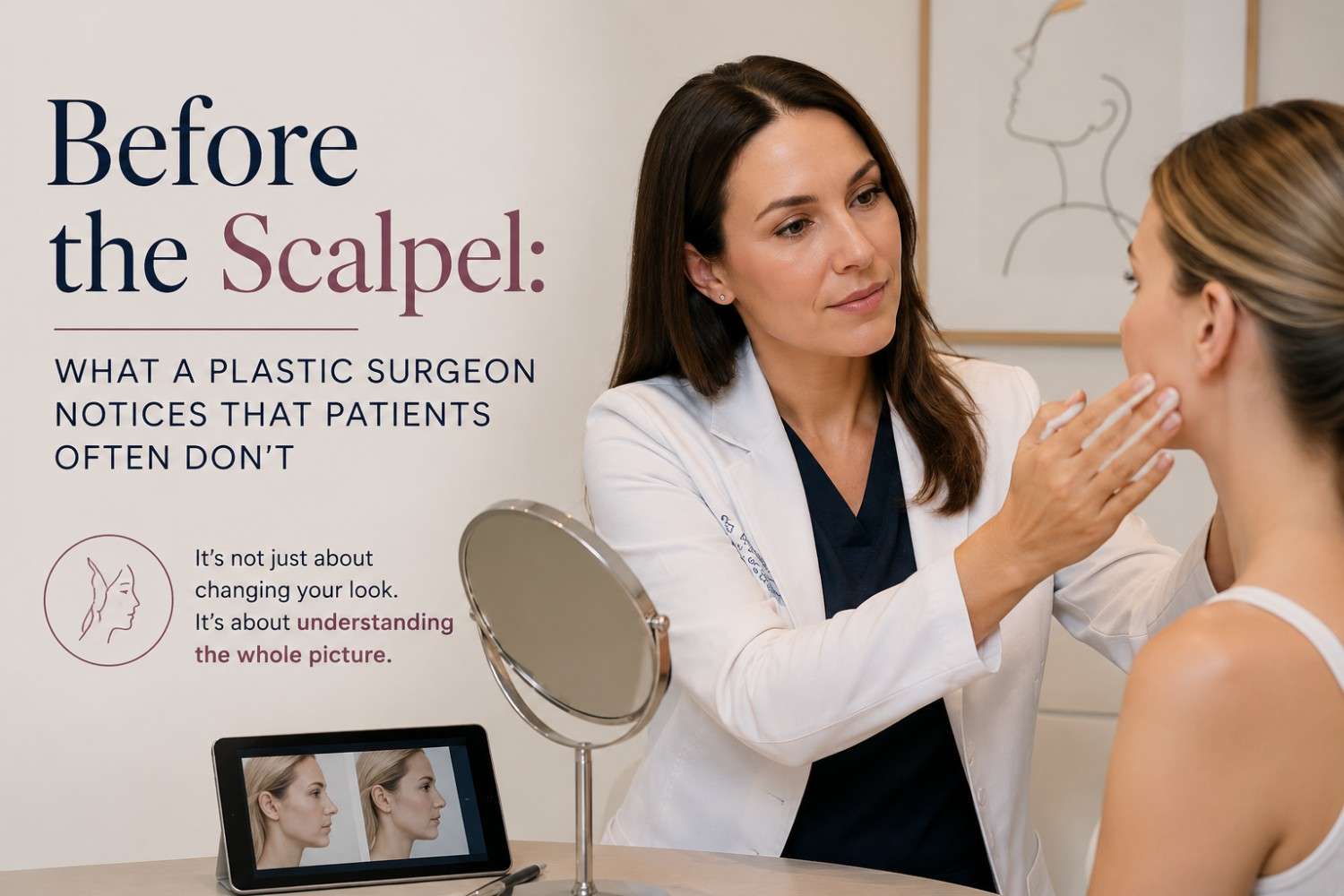
An initial consultation should cover medical history, realistic outcomes, alternatives, risks, anesthesia type and recovery timeline. Quality consultations include physical assessment, photographic documentation and clear explanation of expected benefits and limitations.
Informed consent and shared decision-making
Patients should receive written information about risks, postoperative care and potential complications. A top surgeon practices shared decision-making, giving time to ask questions and arrange second opinions if needed.
Safety, anesthesia and postoperative care
Anesthesia and perioperative safety
Anesthesia is provided by qualified anesthesiologists in accredited settings. Confirm the level of monitoring, emergency protocols and whether surgery will be inpatient or outpatient based on the procedure and medical history.
Recovery and follow-up
Expect a clear postoperative plan including pain management, wound care, activity restrictions and scheduled follow-up visits. Reliable surgeons provide contact methods for urgent concerns and outline signs that warrant prompt evaluation.
Costs, financing and realistic expectations
Transparent pricing
Costs vary by procedure complexity, facility fees, anesthesia, implants and postoperative care. Obtain an itemized estimate and be cautious of unusually low prices that may reflect lower standards of care or hidden fees.
Setting realistic expectations
Outcomes depend on individual anatomy, healing and adherence to postoperative guidance. Photographic examples and patient testimonials can illustrate likely results, but guarantees are not appropriate or ethical.
How to verify a surgeon and next steps
Practical checks before scheduling
Verify licensing and disciplinary history with regulatory bodies, confirm hospital privileges, review published work or presentations, and ask to see a portfolio of cases similar to the planned procedure. Consider a second consultation for complex or high-risk operations.
Patient safety resources
National health authorities, hospital patient relations departments and clinical ethics committees can help answer procedural and safety questions. For licensing verification and specialty recognition in Saudi Arabia, consult the national regulator listed above.
Frequently asked questions
How to choose the top plastic surgeon in Riyadh?
Look for specialty certification, hospital privileges, accredited facilities, documented outcomes for the specific procedure, clear informed consent, and strong communication. Verify credentials through official registries and ask for before-and-after photos and patient references.
What questions should be asked during a cosmetic surgery consultation?
Ask about the surgeon’s training and experience with the intended procedure, expected outcomes, risks and complications, anesthesia plans, recovery timeline, costs and follow-up care. Request to see similar case results and ask about revision policies.
Are complications common after plastic surgery?
Complications are possible with any surgical procedure. Rates vary by procedure and patient health. Choosing an experienced surgeon, an accredited facility and following pre- and postoperative instructions reduces the likelihood of adverse events.
Can results be reviewed before committing to surgery?
Yes. Reviewing before-and-after photos, reading peer-reviewed publications or case series, and obtaining a second opinion are all appropriate steps before deciding on surgery.
Who regulates surgical practice in Saudi Arabia?
Professional licensing and specialty recognition are regulated by the Saudi Commission for Health Specialties, and facility accreditation is managed by national health quality authorities. Patients should consult these agencies when verifying credentials.