Roof Repair Friendswood TX: Costs, Inspection Checklist, and Steps to Hire
-

- March 03rd, 2026
- 195 views

Get a free topical map and start building content authority today.
Finding reliable roof repair services Friendswood TX homeowners can trust starts with understanding what repairs are needed, average costs, and how to hire a qualified contractor. This guide walks through inspection, common repairs, permitting and insurance considerations so local property owners can make informed decisions.
- Common repairs: shingle replacement, flashing, leak repair, and storm damage.
- Start with a documented roof inspection and photos for insurance claims.
- Use the ROOF CARE checklist before signing any contract.
Informational
How roof repair services Friendswood TX work
Roof repair services typically begin with a visual inspection, either from the ground, ladder, or drone. An inspector looks for missing or damaged shingles, sagging, damaged flashing, clogged gutters, and evidence of leaks inside the attic. For many repairs—such as shingle replacement, flashing reseal, or isolated leak repair—work can be completed in a day or two; larger jobs like partial roof replacement take longer and may require local permits and inspections.
Common local issues and terminology
Frequent problems in Friendswood
Coastal and near-coastal Texas properties often face these issues: wind-blown shingle loss, hail impact, and accelerated wear from humidity. Typical repair items include:
- Shingle replacement and re-sealing
- Flashing repair around chimneys, vents and skylights
- Valley repairs and underlayment replacement
- Gutter and downspout adjustments to prevent water backup
Key terms
Understand these terms when reviewing estimates: underlayment, flashing, decking, ventilation, ridge caps, and pitch. Contractors should comply with local building codes and manufacturer instructions for roofing materials.
ROOF CARE checklist (practical framework)
Use this named checklist before hiring or signing work orders:
- R — Request a written inspection report with photos.
- O — Obtain at least two written estimates detailing materials and labor.
- O — Check contractor licensing, local references, and insurance.
- F — Fix immediate leaks with temporary measures if needed, then plan permanent repair.
- C — Confirm permits, warranty details, and cleanup procedures.
- A — Authorize only after all contract terms are understood and a payment schedule is clear.
- R — Record the work and retain receipts for insurance and future maintenance.
Real-world example
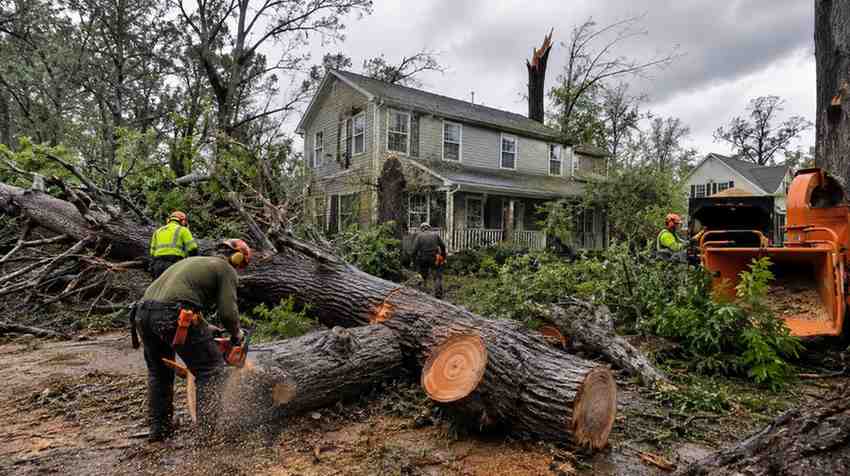
Scenario: After a May storm, a Friendswood homeowner noticed interior water stains. A local contractor performed an inspection, documented missing shingles and cracked flashing, and provided a detailed estimate for leak repair and partial shingle replacement. The homeowner used the ROOF CARE checklist, contacted their insurer with the inspection photos, obtained two bids, and authorized the repair once the permit and warranty terms were confirmed. The repair took one day; attic drying and follow-up checks occurred the following week.
Costs, timing, and insurance
Expect small repairs (single leaks, a few shingle replacements) to cost a few hundred dollars; more extensive work ranges into thousands based on roof size, slope, and materials. Insurance claims for storm or hail damage require prompt documentation. When handling claims, keep all inspection reports and contractor estimates. For general best practices on roofing materials and maintenance standards, refer to industry guidance from recognized organizations such as the National Roofing Contractors Association — NRCA.
Practical tips for homeowners
- Document damage with photos and a dated inspection report before any repair work begins.
- Get at least two written estimates that list specific materials (not just a lump sum).
- Confirm contractor insurance (liability and workers’ comp) and check local licensing requirements.
- Ask about ventilation and underlayment—these affect long-term roof performance and warranty coverage.
- Retain records of permits, invoices, and warranties for future resale or claims.
Trade-offs and common mistakes
Trade-offs
Choosing lower-cost materials or the cheapest bid can reduce upfront cost but may shorten service life or void certain warranties. Conversely, premium materials cost more but often require less maintenance. Rapid repairs without a full inspection can miss underlying decking or ventilation issues that lead to repeat leaks.
Common mistakes
- Agreeing to work without a written contract or clear scope.
- Paying full cost upfront before work begins.
- Forgetting to verify permits or failing to document pre-existing damage before contractor arrival.
Core cluster questions
- How much does a typical roof repair cost in Friendswood, TX?
- When is shingle replacement necessary versus a patch repair?
- What documentation is required for an insurance roof damage claim?
- How to choose between asphalt shingles and metal roofing for a Friendswood home?
- What local permits are needed for roof repair in Friendswood?
Final checklist before hiring
Before signing a contract, verify these items: licensed contractor, proof of insurance, written warranty, itemized estimate, permit responsibility, and a clear payment schedule tied to milestones.
FAQ
How long do typical roof repairs take in Friendswood?
Small repairs often take a few hours to a full day. Partial replacements or significant storm damage repairs can take several days to a week, depending on weather and permit timelines.
What should be included in a roof repair estimate?
An estimate should list materials (type and brand when possible), labor, removal and disposal fees, permit costs, warranty terms, and a projected schedule.
Are roof repair services Friendswood TX covered by homeowners insurance?
Coverage depends on the policy and cause of damage. Storm and hail damage are commonly covered, but wear-and-tear or deferred maintenance often are not. Document damage promptly and consult the insurer with the inspection report.
When is it better to replace rather than repair a roof?
When more than 30–50% of the roof shows damage, when there are widespread leaks, or when the roof is near the end of its expected life, replacement is usually the more cost-effective, long-term solution.
How to prevent future leaks and extend roof life?
Schedule periodic inspections, keep gutters clear, address ventilation issues, and replace damaged shingles promptly. Regular maintenance extends life and preserves warranty coverage.