Complete Guide to Root Canal Therapy in Dubai: Steps, Costs, and Recovery
-

- Published Updated
- 1,219 views
Root canal therapy in Dubai is a common dental procedure used to treat infection or inflammation of the tooth pulp while preserving the natural tooth. This guide explains the typical steps in diagnosis and treatment, what to expect during recovery, how costs and clinic accreditation work in Dubai, and when to seek follow-up care.
- Diagnosis includes clinical exam and radiography; a licensed dentist or endodontist provides treatment.
- The procedure involves anesthesia, removal of infected pulp, cleaning and sealing the canals, and final restoration.
- Aftercare focuses on pain control, oral hygiene, and prompt restorative work (filling or crown).
- Choose clinics licensed by the Dubai Health Authority (DHA) and staffed by qualified endodontists or general dentists trained in endodontics.
Overview of Root Canal Therapy in Dubai
Root canal therapy treats the inner tissues of a tooth when decay, trauma, or repeated dental procedures cause pulp damage or infection. In Dubai, treatment is available at private clinics and hospital dental departments. Regulatory oversight is provided by authorities such as the Dubai Health Authority (DHA), which issues professional licenses and facility approvals. For information about facility licensing and practitioner registration consult the DHA website: Dubai Health Authority.
Who performs root canal treatment?
Treatment is provided by general dentists with endodontic training or by specialists called endodontists. Endodontists complete additional training in root canal techniques, complex anatomy, and microsurgical procedures. When a case is complex—curved canals, retreatment, persistent infection—referral to an endodontist is common. Professional standards and continuing education are emphasized by bodies such as the American Association of Endodontists (AAE) and local regulatory authorities.
Step-by-step procedure
1. Diagnosis and treatment planning
Diagnosis usually includes a clinical examination, dental radiographs (periapical X-rays) or cone-beam computed tomography (CBCT) when detailed views are needed, and pulp vitality testing. A diagnosis guides whether root canal therapy is indicated or whether extraction or alternative treatment is more appropriate.
2. Local anesthesia and isolation
Local anesthesia numbs the tooth and surrounding tissues to minimize discomfort. A rubber dam is typically placed to isolate the tooth, maintain a dry field, and reduce the risk of contamination.
3. Access and cleaning
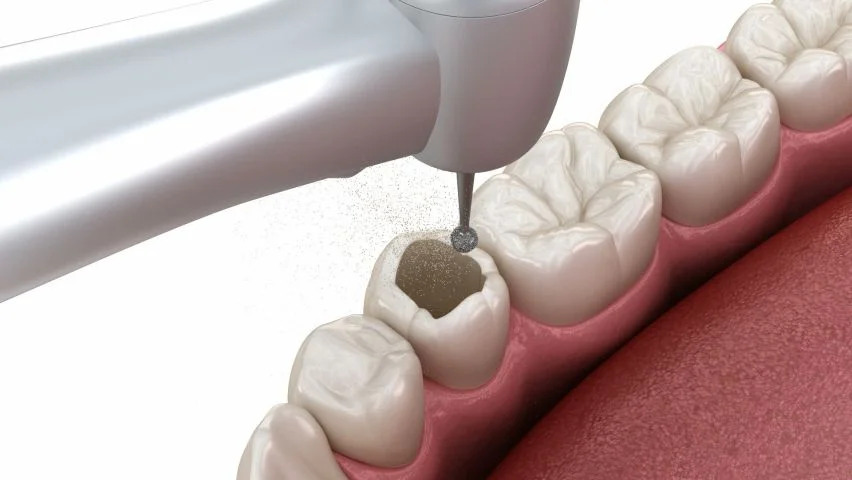
The dentist creates an access opening to reach the pulp chamber. Using small instruments and irrigating solutions (commonly sodium hypochlorite among others), infected tissue and bacteria are removed and the root canals are shaped to receive a filling material.
4. Obturation (sealing the canals)
After cleaning and shaping, canals are dried and filled with a biocompatible material (commonly gutta-percha with a sealer) to prevent reinfection. Temporary or permanent restorations are placed depending on the clinical situation.
5. Final restoration
A tooth that has had root canal therapy often requires a permanent restoration such as a composite filling or a crown to restore strength and function. Timely restoration reduces the risk of fracture and reinfection.
Aftercare and recovery
Mild discomfort or sensitivity for a few days is common and can usually be managed with over-the-counter pain relievers as advised by the treating clinician. Avoid chewing hard foods on the treated tooth until it is fully restored. Maintain good oral hygiene and attend scheduled follow-up visits to confirm healing. If swelling, severe pain, or systemic symptoms develop, contact the dental provider promptly.
Risks, success rates, and alternatives
Root canal therapy has high success rates when performed and restored properly; reported success varies with case complexity and follow-up. Risks include persistent infection, canal calcification, root fracture, or need for retreatment or apical surgery. Alternatives may include extraction and replacement options such as bridges or implants. Discuss comparative risks and benefits with a licensed dental professional. Peer-reviewed literature and guidelines from dental associations describe outcomes and recommended practices.
Cost, insurance, and regulatory considerations in Dubai
Costs depend on tooth complexity, number of canals, use of advanced imaging (CBCT), and whether treatment is performed by a specialist. Dental insurance plans vary; confirm coverage details with insurers and whether the clinic accepts the plan. Ensure that clinics and practitioners are licensed by relevant Dubai regulators and follow infection-control standards set by health authorities.
Choosing a clinic in Dubai
When selecting a clinic, look for evidence of licensing, documented sterilization protocols, use of modern imaging and endodontic instruments (microscopes, rotary instruments), and transparent cost estimates. Confirm clinician credentials and ask whether an endodontist is available for complex cases. Patient reviews and clinic accreditation provide additional context, but primary verification should be through regulatory registries.
When to seek emergency care
Seek urgent dental care for uncontrolled swelling, fever with dental pain, spreading infection, or trauma causing severe tooth fracture. These signs can indicate a spreading infection that requires immediate attention.
Frequently asked questions
How long does root canal therapy in Dubai take?
Appointment length varies by tooth and complexity. Simple cases may be completed in one visit of 60–90 minutes, while molars or complex anatomy may require two or more visits. Preoperative imaging and clinician assessment determine the likely timeline.
Is root canal therapy painful?
Modern anesthesia and techniques make the procedure much less painful than in the past. Some postoperative discomfort for a few days is common, but severe pain is uncommon and should prompt contact with the treating dentist.
How much does a root canal cost in Dubai?
Costs vary widely by clinic, tooth type, and whether specialist care or advanced imaging is needed. Obtain a written estimate and verify insurance coverage before treatment.
Can a treated tooth get infected again?
Reinfection can occur due to untreated canal branches, new decay, or delayed restoration. If symptoms recur, diagnostic imaging and evaluation for retreatment or surgical options may be necessary.
How to verify a dentist's license in Dubai?
Check practitioner and facility registration with the Dubai Health Authority or other local health regulator and request proof of credentials. Clinics should be transparent about licensure and infection-control practices.
For medically specific recommendations, consultation with a licensed dentist or endodontist is recommended. This article provides general information to support informed questions and planning for care.