How Root Canal Treatment Saves Your Natural Tooth
-

- March 26th, 2026
- 4,244 views

FREE SEO Topical Map Generator: Find Your Next Content Ideas
Tooth pain can disrupt your daily life and make even simple activities like eating or speaking uncomfortable. When decay or infection reaches the inner part of a tooth, saving it becomes a priority. Instead of removing the tooth, modern dentistry offers an effective solution that preserves your natural smile.
Root canal treatment is a proven procedure designed to eliminate infection while maintaining the original tooth structure. Understanding how it works can help you make confident decisions about your oral health.
What Is Root Canal Treatment?
Root canal treatment is a dental procedure used to treat infection inside the tooth. The inner part of the tooth, known as the pulp, contains nerves and blood vessels. When bacteria invade this area due to deep decay, cracks, or trauma, it can cause severe pain and damage.
During the procedure, the infected pulp is carefully removed, the inside of the tooth is cleaned and disinfected, and then it is sealed to prevent further infection. This allows the tooth to remain functional without causing pain.
Why Saving Your Natural Tooth Matters
Preserving your natural tooth is always the best option when possible. Extracting a tooth may seem like a quick fix, but it often leads to additional dental issues over time. Keeping your original tooth not only supports better oral function but also helps maintain overall dental stability. It reduces the need for complex procedures and promotes long-term comfort and confidence in your smile.
Keeping your natural tooth helps:
Maintain proper chewing and biting function
Prevent shifting of surrounding teeth
Preserve jawbone strength and structure
Maintain a natural appearance and smile
Reduce the need for costly dental replacements like implants or bridges
Support clear speech and natural pronunciation
Maintain overall oral health and alignment for long-term stability
How Root Canal Treatment Works
Root canal treatment is a step-by-step procedure designed to remove infection and restore the health of your tooth. Each stage focuses on eliminating bacteria while preserving the natural structure of the tooth. With modern techniques, the process is safe, efficient, and provides long-term relief.
Diagnosis and Preparation
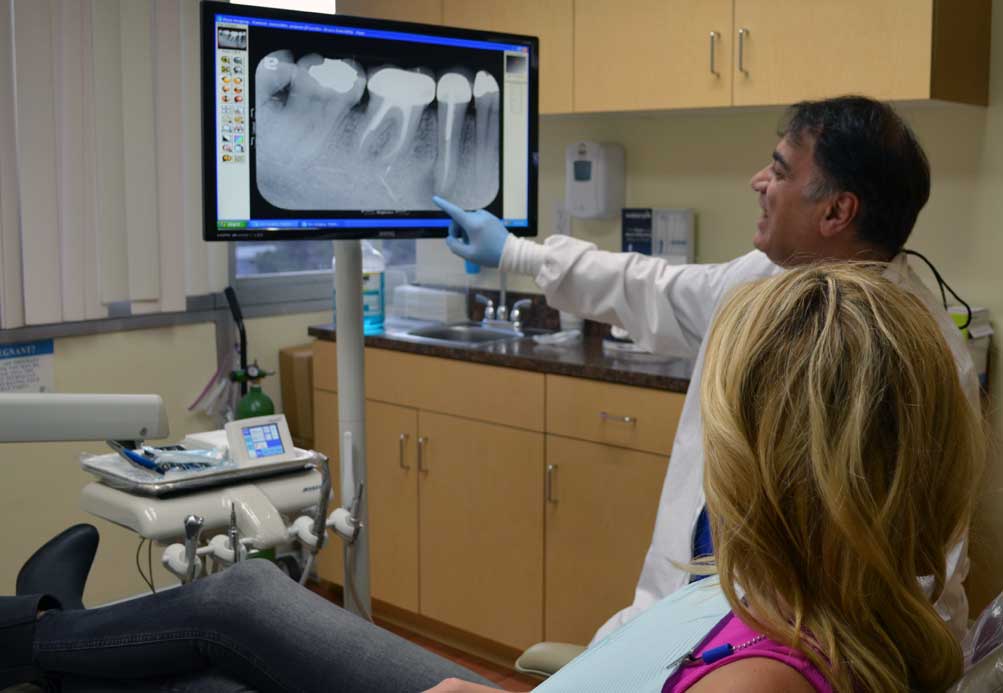
The process begins with a detailed examination, including X-rays, to identify the extent of infection. Once confirmed, the dentist numbs the area to create a comfortable experience.
Removing the Infection
A small opening is made in the tooth to access the infected pulp. The damaged tissue is removed, and the root canals are thoroughly cleaned.
Cleaning and Sealing
After cleaning, the canals are shaped and filled with a special material to seal them. This prevents bacteria from re-entering the tooth.
Restoring the Tooth
In most cases, a dental crown is placed on top of the treated tooth. This strengthens it and restores its natural function and appearance.
Signs You May Need a Root Canal
Identifying early symptoms can help prevent serious dental complications and save your natural tooth. Ignoring these warning signs may allow the infection to spread, leading to more pain and complex treatments. Seeking timely care improves the chances of successful treatment and faster recovery. Some common signs include:
Persistent tooth pain or sensitivity
Swelling or tenderness in the gums
Darkening or discoloration of the tooth
Pain when chewing or biting
Prolonged sensitivity to hot or cold
Pimple-like swelling on the gums (dental abscess)
Bad taste in the mouth or persistent bad breath
Benefits of Root Canal Treatment
Root canal treatment offers more than just relief from tooth pain. It plays a key role in preserving your overall oral health. By treating the infection at its source, this procedure helps restore function while preventing further complications. It is a reliable and long-term solution for maintaining a healthy, natural smile.
Pain Relief
Contrary to common myths, root canal treatment helps relieve pain by removing the infected tissue causing discomfort. Once the infection is cleared, pressure and inflammation are reduced, allowing the tooth and surrounding area to heal properly.
Tooth Preservation
This procedure allows you to keep your natural tooth instead of opting for extraction. Preserving your original tooth helps maintain normal chewing function and avoids the need for more complex replacement treatments.
Improved Oral Health
Removing the infection prevents bacteria from spreading to nearby teeth and gums. This supports better overall oral hygiene and reduces the risk of future dental complications or infections.
Long-Term Solution
With proper care and restoration, a root canal-treated tooth can last for many years or even a lifetime. Regular dental checkups and good oral hygiene further increase its durability and performance.
What to Expect After the Procedure
After a root canal, mild pain or sensitivity is normal for a few days. This can usually be managed with over-the-counter medication.
To support proper healing:
Avoid chewing on the treated tooth until fully restored
Maintain good oral hygiene
Follow your dentist’s aftercare instructions
Attend follow-up appointments if needed
How to Care for a Tooth After Root Canal
Proper care plays a key role in the long-term success of the treatment. Simple habits can help protect your restored tooth:
Brush twice daily with fluoride toothpaste
Floss regularly to remove plaque buildup
Avoid biting hard objects
Visit your dentist for regular checkups and cleanings
When to See a Dentist
Understanding when to get dental care is important to prevent the infection from getting worse. Ignoring early symptoms can lead to severe pain, tooth damage, and more complicated treatments. Visiting a Dentist in Murphy at the right time can help protect your natural tooth and improve treatment outcomes.
You should see a dentist if you notice:
Persistent or severe tooth pain that does not go away
Swelling, redness, or tenderness in the gums
Sensitivity to hot or cold that lingers
Pain while chewing or biting food
Darkening or discoloration of the tooth
Pimple-like swelling on the gums (possible abscess)
Unusual taste in the mouth or bad breath that does not improve
Conclusion
Root canal treatment is a highly effective solution for saving a damaged or infected tooth. By removing infection and restoring the tooth’s structure, it allows you to maintain your natural smile and avoid unnecessary extractions.Taking timely action and following proper dental care can help achieve long-lasting results. If you are experiencing tooth pain or signs of infection, choosing root canal treatment in Murphy can help protect your oral health and preserve your natural teeth for years to come.