How to Choose Root Canal Treatment in Patna: A Patient's Guide
-
- September 19th, 2026
- 38 views
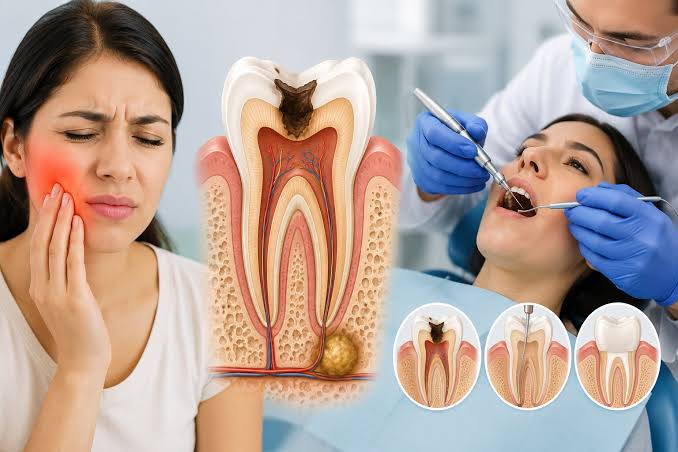
Tooth pain that keeps returning, sharp sensitivity to hot and cold, or a swollen gum can be a sign that the nerve inside a tooth is infected. When that happens, root canal treatment in Patna can remove the infection, relieve the pain and let you keep your natural tooth instead of losing it. This guide explains what the treatment involves, what to expect, and how to choose a clinic you can trust.
What Is a Root Canal Treatment?
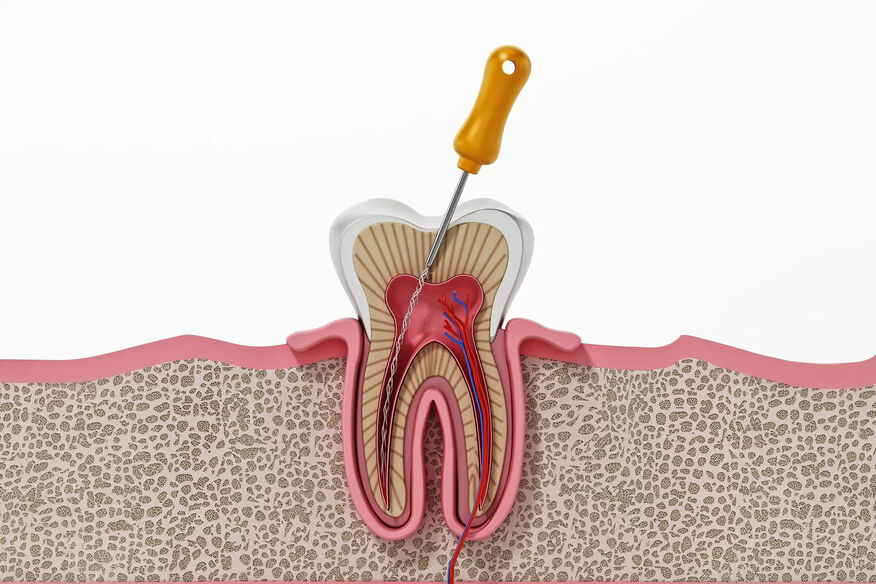
Inside every tooth is a soft tissue called the pulp, which contains nerves and blood vessels. Deep decay, a crack, a leaking old filling or an injury can let bacteria reach the pulp. Once it is infected or inflamed, it cannot heal on its own.
Root canal treatment, also called endodontic treatment or RCT, removes the damaged pulp, cleans and shapes the inner canals, and seals them so bacteria cannot return. The tooth stays in place and continues to work like any other tooth.
Signs You May Need a Root Canal
Only a dentist can confirm the diagnosis, but these symptoms are worth checking promptly:
Persistent or throbbing tooth pain, especially at night
Lingering sensitivity to hot or cold after the stimulus is gone
Pain when biting or pressing on the tooth
A swollen, tender or pimple-like bump on the gum
Darkening of a single tooth
A deep cavity or a cracked tooth
Sometimes an infected tooth causes no pain at all, which is why an X-ray is an important part of any diagnosis.
What Happens During the Procedure
Examination and X-ray. The dentist checks the tooth, tests how it responds, and uses an X-ray to see the roots and surrounding bone.
Local anaesthesia. The area is numbed so you stay comfortable during treatment.
Accessing the pulp. A small opening is made in the top of the tooth to reach the pulp chamber.
Cleaning and shaping. The infected tissue is removed, and the canals are cleaned and shaped with fine instruments and disinfecting solutions.
Filling and sealing. The clean canals are filled with a biocompatible material, usually gutta-percha, and the opening is sealed.
Restoration. A filling or, more often, a crown is placed to protect the tooth.
Depending on the tooth and the extent of infection, treatment may take one visit or several.
Is a Root Canal Painful?
Many people fear the treatment because of its reputation, but the pain usually comes from the infection, not from the procedure. With proper anaesthesia, modern root canal treatment is generally no more uncomfortable than getting a filling. Mild soreness for a few days afterwards is common and can usually be managed with the medicines your dentist recommends. If pain is severe or getting worse, contact your dentist.
Why the Crown Matters
A tooth that has had a root canal is often weaker, especially a back tooth that handles heavy chewing forces. Without a crown, it may crack or become reinfected. Your dentist will advise whether a crown is needed for your tooth. Ask about it before treatment begins so you understand the full plan and cost, since a crown is usually a separate step.
How to Choose a Root Canal Clinic in Patna
Because the outcome depends on careful technique, it is worth asking a few questions before you book:
Who will treat me? Ask about the dentist's training and how often they perform root canals.
Will you take an X-ray first? A proper diagnosis should never be skipped.
How is the tooth kept clean during treatment? Good infection control and isolation of the tooth are essential.
What technology do you use? Ask what equipment is actually available, such as rotary instruments, digital X-rays or magnification, and how it helps your case.
Is a crown planned? A clear plan from start to finish avoids surprises.
Can I see who is on the team? It helps to meet the dental team and understand their experience before you decide.
Be cautious about clinics that make bold guarantees or promise the "best" treatment without explaining what they do. A good clinic explains each step in plain language, answers your questions about pain and recovery, and never rushes you.
What Affects the Cost?
There is no single price for a root canal. The cost depends on several factors:
Which tooth is being treated (back teeth have more canals and take longer)
How severe the infection is
Whether the tooth needs retreatment
Whether extra procedures are needed
The materials and technology used
Whether a crown is required afterwards
Instead of comparing headline prices alone, ask for a clear estimate after examination, and check what it includes.
Root Canal or Extraction?
In most cases, saving your natural tooth is the better long-term choice. A missing tooth usually needs replacing with an implant or a bridge, which takes more time and costs more. Extraction is sometimes unavoidable, for example when the tooth is too badly broken or cannot be restored. Your dentist can explain the options for your specific tooth.
Aftercare and Recovery
Avoid chewing hard food on the treated tooth until the final restoration is in place.
Brush and floss as normal, and keep the area clean.
Take medicines only as your dentist advises.
Attend your follow-up visits, especially the crown appointment.
Contact your dentist if you notice swelling, fever, a loose filling or pain that keeps growing.
With proper care and a well-fitted restoration, a treated tooth can function for many years. If a treated tooth becomes infected again, retreatment is sometimes possible.
Don't Wait Too Long
Many people put off treatment, hoping the pain will settle. It often does for a while, but the infection remains. Left untreated, it can spread to the surrounding bone and gum and may cause an abscess and swelling. What could have been a straightforward procedure can then turn into an extraction and a costly replacement. Seeing a dentist early is almost always simpler, quicker and less costly overall.
Frequently Asked Questions
How long does a root canal take?
It depends on the tooth and the infection. Some cases are completed in one visit, while others need two or more.
Can I go to work afterwards?
Most people return to normal activities the same day or the next, though the numbness takes a few hours to wear off.
Will I need antibiotics?
Not always. Your dentist will decide based on your case.
Can a root canal fail?
Occasionally, particularly if the tooth is not properly restored or if bacteria re-enter. Retreatment may be an option.
Final Thoughts
A root canal is one of the most effective ways to relieve tooth pain and save a natural tooth. The key is early diagnosis, a clear treatment plan, and a dentist who explains everything openly. If you are in Patna and have persistent tooth pain, book a consultation at Dental Comfort Zone to have your tooth examined and your options explained.