Complete Guide to Root Canal Treatment in Turkey: Costs, Clinics, and Aftercare
-

- March 11th, 2026
- 719 views

Get a free topical map and start building content authority today.
Root canal treatment in Turkey is a common offering for both local patients and international visitors seeking reliable endodontic care. This guide explains what to expect, compares costs and clinic standards, and provides a practical checklist for choosing a clinic and planning travel.
Detected intent: Informational
- Root canal treatment removes infected pulp to save a natural tooth and relieve pain.
- Costs in Turkey are often lower than in Western Europe or North America, but quality varies.
- Choose accredited clinics, confirm endodontist experience, and plan post-op care in advance.
Root canal treatment in Turkey: what it is and when it’s needed
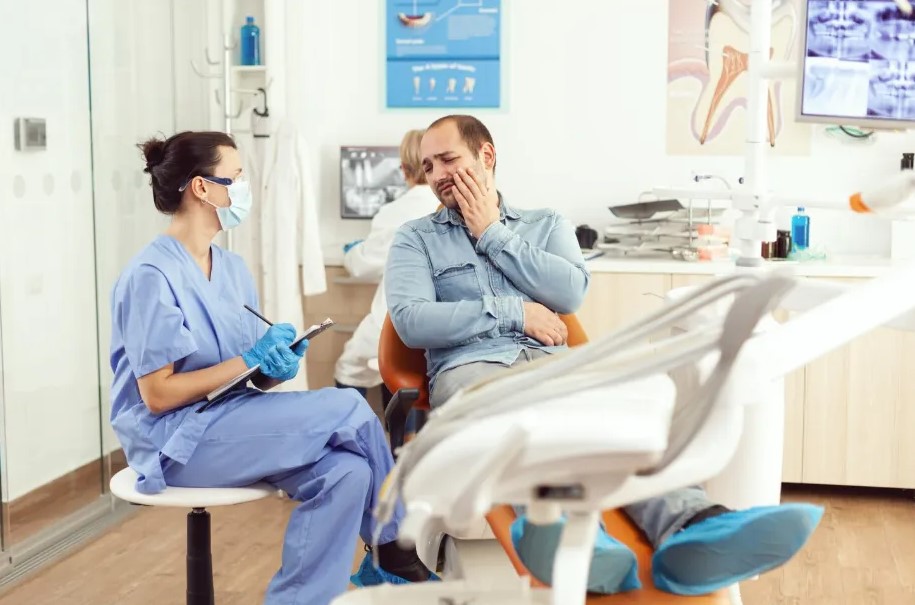
A root canal (endodontic) procedure treats infection inside a tooth’s pulp. Indications include persistent toothache, sensitivity to hot/cold, swelling, or radiographic signs of infection. The goal is to remove infected tissue, disinfect the canal system, and seal the tooth to prevent reinfection. Endodontists are specialists trained for complex cases; general dentists can perform routine root canals.
Cost, timing, and the role of dental tourism Turkey
Typical price range and what affects cost
Prices vary by city, clinic quality, and tooth complexity. Expect a range rather than a fixed figure: single-root anterior teeth are usually less expensive than multi-root molars. Additional costs may include CBCT imaging, temporary or permanent crowns, and sedation. Many international patients combine treatment with travel under the umbrella of dental tourism Turkey to reduce overall spend while receiving care.
Understanding root canal cost Turkey estimates
Compare clinic quotes carefully: a low headline price may not include imaging, materials, or follow-up. Request an itemized estimate and a timeline for treatment completion, especially if travel needs to be coordinated.
Step-by-step procedure overview
What happens during a typical visit
- Evaluation and X-rays (sometimes CBCT for complex anatomy).
- Local anesthesia and isolation with a rubber dam.
- Removal of infected pulp, cleaning and shaping of canals, irrigation.
- Filling and sealing of the canals; temporary restoration or referral for a crown.
- Follow-up visit to confirm healing and place a permanent restoration.
For more on clinical standards for root canal care, review resources from professional endodontic organizations such as the American Association of Endodontists: https://www.aae.org/patients/root-canals/.
Choosing a clinic: the R.E.P.A.I.R. checklist
Use this named checklist to evaluate clinics and avoid common pitfalls.
- Reputation — Read verified patient reviews and check clinic accreditation.
- Experience — Confirm an endodontist performs the procedure, not only a general dentist.
- Pricing transparency — Request an itemized quote with imaging and restoration costs.
- Availability — Verify post-op support and emergency contact while abroad.
- Imaging & Technology — CBCT availability and use of a rubber dam improve outcomes.
- Recovery plan — Clear aftercare instructions and local follow-up options.
Real-world example: planning a short treatment trip
A patient with a painful molar schedules a consultation with a clinic in Istanbul. The clinic requests a CBCT and provides a three-visit plan: initial canal cleaning and temporary seal, obturation (final canal filling) one week later, and crown placement with a partner prosthodontist two weeks after that. The patient schedules a 3-week stay, confirms post-op emergency contact, and arranges a local dentist to monitor healing after returning home.
Practical tips for patients
- Bring recent dental records and any X-rays to the consultation to avoid repeat imaging.
- Confirm which specialist will perform the treatment and ask for before/after cases of similar teeth.
- Plan for at least one follow-up visit in the destination country; ask about remote follow-up options.
- Verify sterilization protocols and whether the clinic uses rubber dam isolation for all root canals.
Trade-offs and common mistakes
Trade-offs to consider
Lower cost can be attractive, but shorter trip windows may force rushed treatment or require temporary restorations that need local completion. High-volume clinics can offer savings but vary in personalized care.
Common mistakes
- Not confirming the clinician’s qualifications or seeing sample cases.
- Overlooking the cost of necessary crowns after the root canal.
- Failing to secure a clear post-op emergency plan while traveling.
Core cluster questions
- How long does a root canal procedure take in Turkey?
- What certifications should a Turkish dental clinic have for endodontics?
- Are follow-up appointments included in international treatment packages?
- How to compare quotes for root canal treatment from different clinics?
- When is a dental crown required after a root canal?
Aftercare and outcomes
Expect soreness for a few days, manageable with over-the-counter analgesics unless advised otherwise. Avoid chewing on the treated tooth until a permanent restoration is placed. Success rates for properly performed root canals are high; long-term outcome depends on restoration quality and oral hygiene.
Closing checklist before booking
- Confirm clinician specialty, sterilization standards, and follow-up support.
- Get an itemized estimate and expected timeline for each visit.
- Arrange travel and accommodation around clinical appointments and recovery time.
FAQ: Is root canal treatment in Turkey safe?
Yes, many clinics in Turkey follow international sterilization and clinical standards. Safety depends on clinic accreditation, clinician training, and use of recommended practices such as rubber dam isolation and modern imaging.
How much does a root canal usually cost in Turkey?
Costs vary widely by city and tooth complexity. Request an itemized quote that includes imaging, materials, and the subsequent restoration to compare true costs.
Can international patients combine root canal treatment with dental tourism Turkey travel plans?
Yes, combining treatment with travel is common. Plan enough days for multiple visits, and ensure clear communication with the clinic about scheduling and emergency care.
Will a root canal in Turkey require a crown afterward?
Many teeth, especially molars, require a crown after root canal treatment to restore strength and function. The need depends on remaining tooth structure and biting forces.
How to follow up with a dentist at home after treatment in Turkey?
Provide your local dentist with treatment records, X-rays, and a summary of what was done. Arrange an evaluation within a few weeks to check healing and plan long-term restoration if required.