Rotary Dryers Market Growth Challenges: Energy Costs, Technology Adoption, Maintenance, and Industrial Expansion Barrier
-

- September 05th, 2026
- 1,733 views
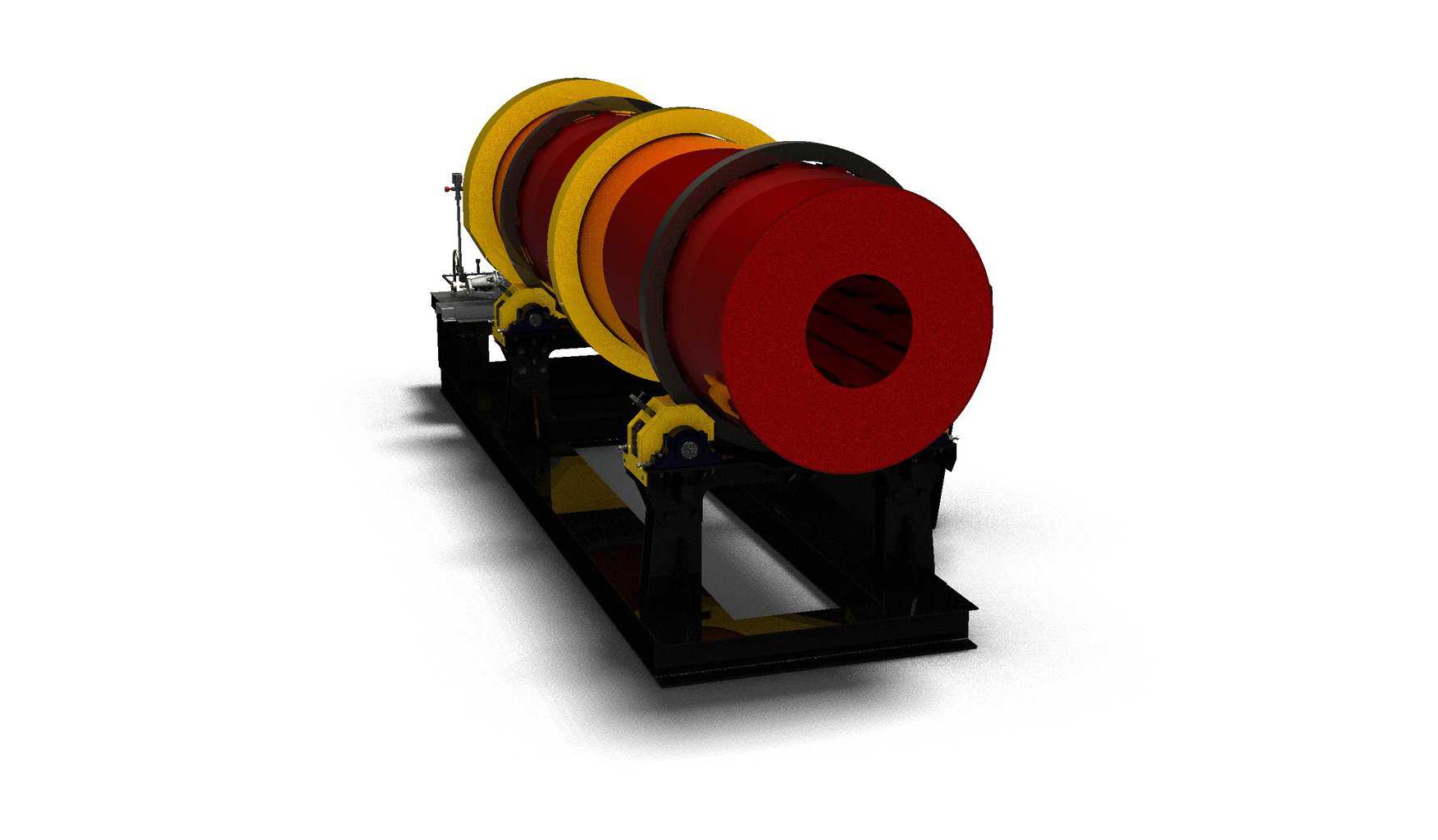
Rotary Dryers Market Growth Challenges: Energy Costs, Technology Adoption, Maintenance, and Industrial Expansion Barriers
Introduction
Rotary dryers are essential in many industries where large quantities of wet materials need to be processed continuously. Mining, mineral processing, agriculture, biomass, chemicals, fertilizers, food processing, and construction materials all use rotary drying systems for moisture reduction and product preparation.
Although industrial demand remains broad, market expansion is influenced by several practical obstacles. The rotary dryers market growth challenges include high equipment costs, energy consumption, maintenance requirements, technological complexity, environmental expectations, supply-chain uncertainty, and difficulties associated with integrating modern systems into existing facilities.
Addressing these issues will be important for manufacturers seeking to expand adoption and for industrial users looking to modernize their processing operations.
High Capital Investment
The cost of acquiring a rotary dryer can be a significant obstacle, particularly for small and medium-sized industrial businesses.
A complete system may require the dryer drum, burner, drive assembly, feeding equipment, exhaust infrastructure, dust collection, instrumentation, and control systems.
Installation, transportation, foundation work, and commissioning can further increase the total project cost.
When capital budgets are limited, companies may postpone equipment purchases or continue operating older systems.
Manufacturers can help overcome this challenge by offering modular configurations, retrofit solutions, and equipment packages designed around different investment levels.
Rising Energy Costs
Energy consumption is one of the most important concerns surrounding thermal drying.
Removing moisture from industrial materials requires considerable heat, especially when feedstock enters the dryer with high moisture content.
Changes in fuel and electricity prices can directly influence production costs.
Older dryers may also consume excessive energy because of inefficient burners, heat losses, poor airflow, or outdated controls.
Improving thermal efficiency is therefore essential, but energy-saving upgrades require additional investment.
Pressure to Improve Efficiency
Industrial operators increasingly expect equipment to deliver higher throughput without proportionally increasing energy consumption or maintenance costs.
This creates a demanding performance requirement for dryer manufacturers.
Improving heat transfer, airflow distribution, insulation, combustion efficiency, and process control can help achieve better results.
However, increasing performance while maintaining equipment durability can require advanced engineering and testing.
Manufacturers must balance efficiency improvements with reliability and affordability.
Maintenance and Downtime
Rotary dryers operate under demanding mechanical and thermal conditions.
Continuous rotation and exposure to high temperatures can place stress on bearings, seals, gears, flights, motors, and other components.
Abrasive materials can increase wear further.
Unplanned failures can interrupt production and create costs beyond the repair itself.
Maintenance teams may need to shut down connected equipment while repairs are completed.
Improving component durability and introducing predictive maintenance technologies can reduce this challenge.
Skilled Labor Shortages
The growing use of automated and digitally connected equipment creates new workforce requirements.
Operators need to understand process controls, sensors, automation systems, temperature management, and equipment-monitoring technologies.
Maintenance technicians may require knowledge of mechanical, electrical, thermal, and digital systems.
In areas where skilled industrial workers are difficult to recruit, companies may struggle to use advanced equipment effectively.
Manufacturers can support customers through training programs, remote assistance, technical documentation, and maintenance services.
Integration With Existing Facilities
Modernization does not always involve installing a completely new production line.
Many companies want to upgrade existing dryers while keeping surrounding equipment operational.
Integrating new controls, sensors, burners, drives, or monitoring systems with older infrastructure can be technically challenging.
Legacy control systems may not communicate easily with modern digital platforms.
Retrofitting therefore requires careful engineering to avoid compatibility problems and unnecessary production disruptions.
Environmental Requirements
Environmental performance is becoming an increasingly important consideration in industrial investment.
Depending on the application, rotary dryers may generate dust, particulate matter, and combustion-related emissions.
Facilities may need additional filtration, dust collection, exhaust management, and emissions-monitoring systems.
These requirements can increase equipment costs and project complexity.
Manufacturers that develop efficient combustion systems and effective environmental-control solutions can make their equipment more attractive to regulated industries.
Variability in Feed Materials
Drying performance can change when incoming materials vary.
Moisture content, particle size, bulk density, composition, and thermal characteristics may differ between batches.
A system operating under fixed conditions may struggle to maintain consistent output when these properties change.
This can increase energy consumption or affect final product quality.
Advanced process controls and real-time monitoring can help operators adjust drying conditions automatically.
However, these technologies require additional investment and technical expertise.
Supply-Chain Uncertainty
Manufacturing rotary dryers requires a range of components and raw materials.
Steel, motors, gearboxes, bearings, burners, sensors, electrical systems, and automation components may come from different suppliers.
Shortages or transportation delays can affect equipment delivery.
Long lead times can be particularly problematic for industrial projects operating under strict construction schedules.
Manufacturers can improve resilience through supplier diversification, regional sourcing, inventory planning, and stronger component-management systems.
Competition From Alternative Technologies
Rotary dryers compete with several other industrial drying technologies.
Fluidized-bed dryers, flash dryers, belt dryers, spray dryers, and vacuum systems may be suitable for particular applications.
Customers often compare alternatives based on energy efficiency, throughput, product quality, footprint, temperature control, capital cost, and maintenance requirements.
Rotary dryer manufacturers must therefore clearly communicate the advantages of their technology for specific materials and production conditions.
Long Installation Timelines
Large drying systems can require substantial preparation before commissioning.
Foundations, material-handling equipment, electrical connections, fuel systems, exhaust infrastructure, and dust-control equipment may all need to be installed.
Delays in construction or equipment delivery can postpone production startup.
For businesses operating under strict project schedules, lengthy installation periods can discourage investment.
Modular construction and improved project coordination can help reduce installation time.
Financing and Economic Uncertainty
Industrial equipment purchases are influenced by broader economic conditions.
Interest rates, commodity prices, production demand, construction costs, and investment expectations can all affect capital expenditure decisions.
When future demand is uncertain, companies may delay major equipment purchases.
This can slow the replacement of inefficient systems even when modernization could reduce long-term operating costs.
Manufacturers that provide clear lifecycle-value calculations can help customers evaluate investment decisions more confidently.
Balancing Technology and Affordability
Advanced technology can improve dryer performance, but excessive complexity can become a barrier.
Sensors, automated controls, remote monitoring, analytics platforms, and predictive maintenance systems add value when properly implemented.
However, customers may hesitate if these features significantly increase acquisition costs or require difficult maintenance.
Successful manufacturers will need to focus on practical technology that solves measurable operational problems.
Product Customization Challenges
Industrial customers often require dryers tailored to specific materials and production conditions.
Customization can involve changes to drum size, internal flights, heating systems, airflow configuration, feeding mechanisms, and control packages.
While customization can improve performance, it can also increase engineering time, manufacturing complexity, and delivery schedules.
Manufacturers must balance flexibility with standardized components to maintain efficiency and competitive pricing.
Strategies for Sustainable Growth
Manufacturers can address these challenges by improving energy efficiency, simplifying maintenance, developing modular equipment, and offering retrofit packages.
Digital monitoring can help customers understand equipment performance, while predictive maintenance can reduce unexpected failures.
Training and technical support can also improve adoption of advanced systems.
Developing strong supplier networks and maintaining critical spare parts can reduce delivery and service risks.
Most importantly, manufacturers can focus on total cost of ownership rather than only the initial equipment price.
The rotary dryers market growth challenges are closely linked to the practical requirements of modern industrial processing.
High investment costs, energy consumption, maintenance demands, workforce shortages, environmental expectations, supply-chain uncertainty, and technology integration can all affect market expansion.
At the same time, these challenges are encouraging manufacturers to improve equipment efficiency, reliability, automation, and service capabilities.
Rotary dryer suppliers that combine durable mechanical designs with intelligent controls, energy-saving technologies, application-specific engineering, and dependable after-sales support can be better positioned to support industrial modernization.
As manufacturers across multiple sectors continue seeking higher productivity and lower operating costs, overcoming these challenges will remain central to the long-term development of the rotary dryers industry.
Written as -https://www.pristinemarketinsights.com/rotary-dryers-market-report