Routine Dental Visits: The Practical Benefits of Regular Check Ups at Your Dental Office
-

- February 23rd, 2026
- 1,313 views
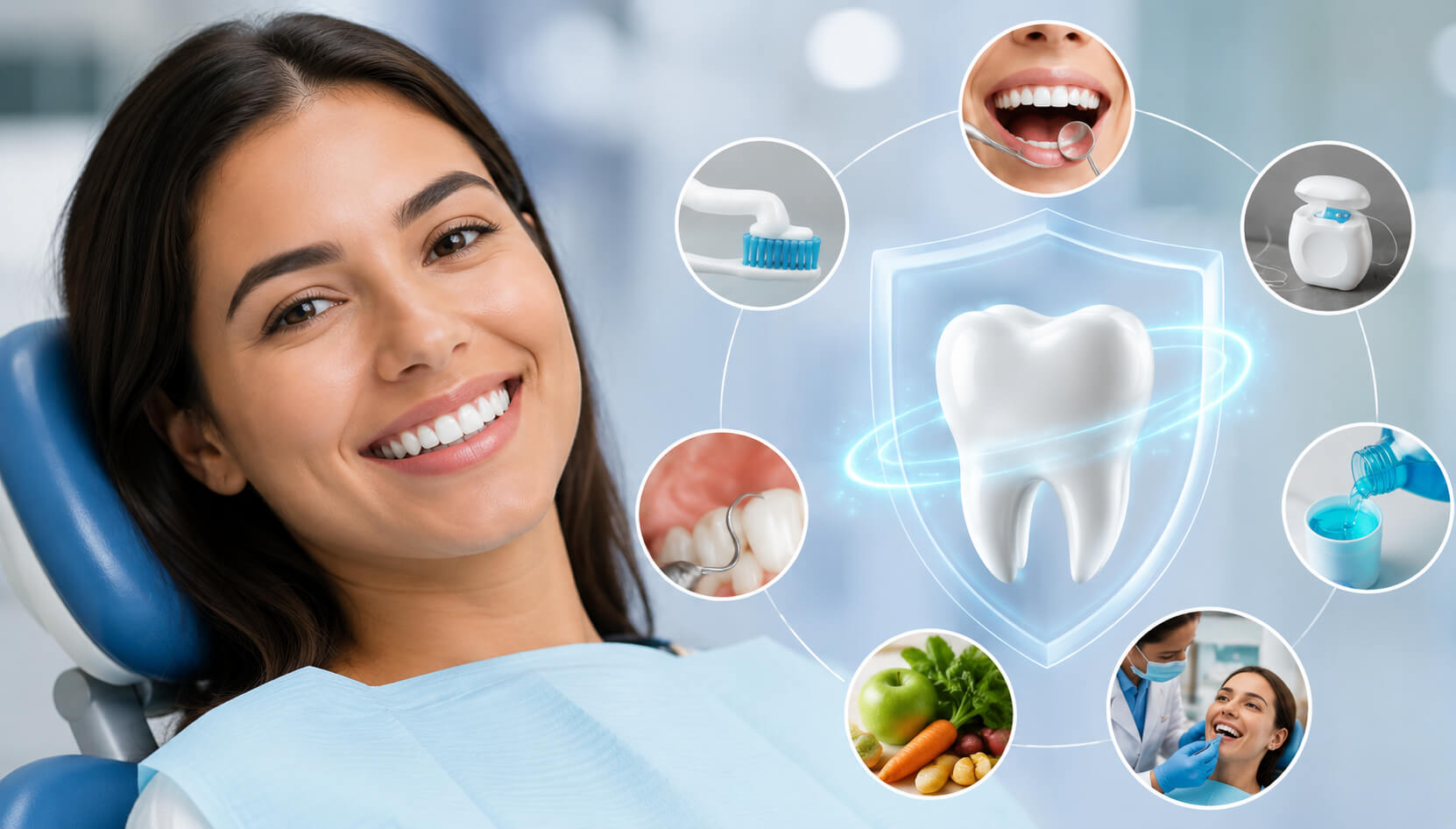
Regular check ups at your dental office play a central role in maintaining oral health, preventing disease, and identifying problems early. These visits combine clinical examination, professional cleaning, and screening for issues such as cavities, gum disease, and oral cancer. Routine care supports both short-term comfort and long-term outcomes by reducing the chance of more extensive treatment later.
- Routine dental visits include an exam, cleaning, and risk screening by a dental hygienist or dentist.
- Benefits include prevention of cavities and periodontal disease, early detection of oral cancer, and monitoring of restorative work.
- Visit frequency depends on individual risk factors; many people are seen every six months, while others may need more or less frequent care.
- Public health bodies such as the Centers for Disease Control and Prevention provide guidance on oral health practices.
Why regular check ups at your dental office improve oral health
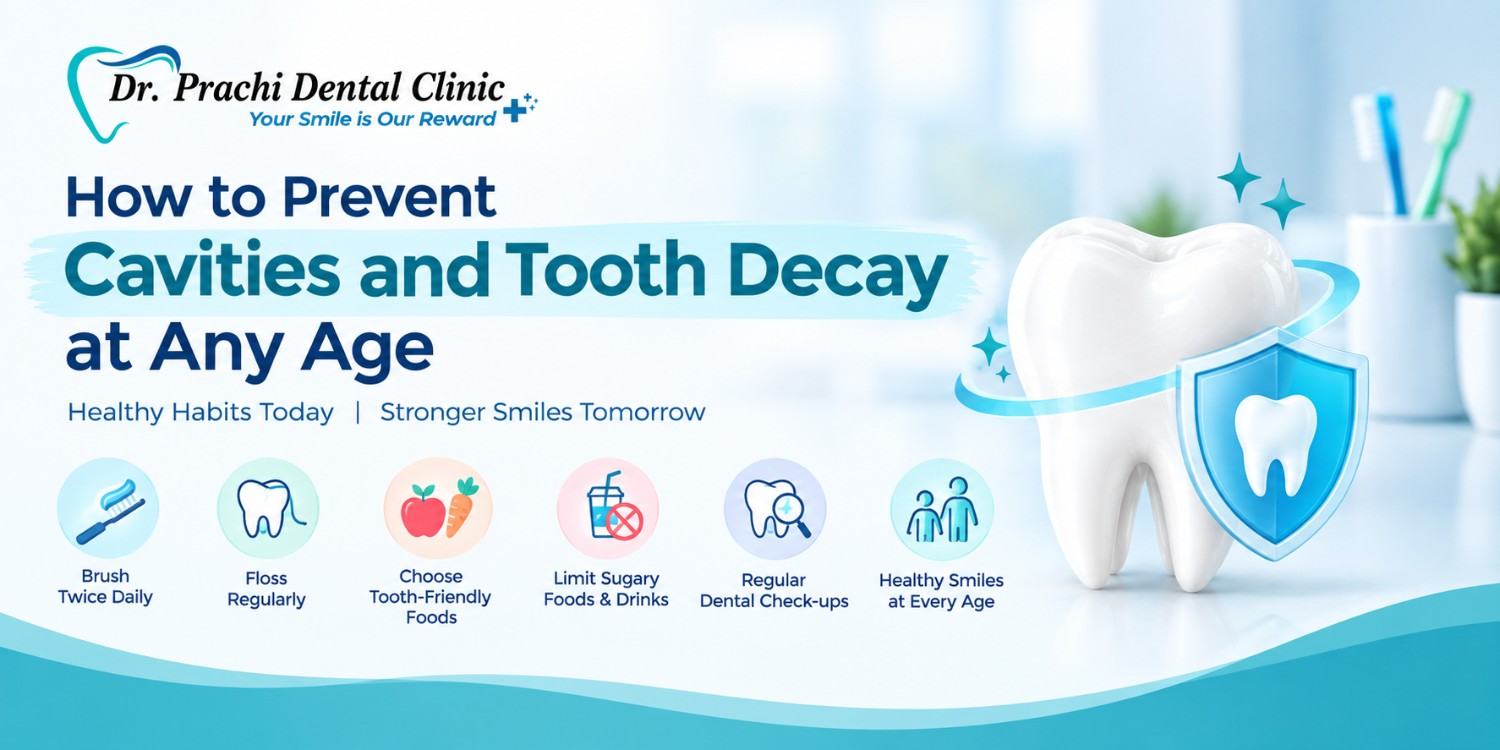
Routine visits combine preventive dentistry and diagnostic screening. Professional cleaning removes plaque and tartar (calculus) that daily brushing and flossing may miss, lowering the risk of cavities and gingivitis. During examinations, dentists and dental hygienists look for early signs of decay, periodontal disease, failing restorations, and oral cancer. Early detection often means less invasive treatment and better prognosis.
What happens during a typical dental checkup
Medical and dental history review
The dental team reviews changes in medical history, medications, and symptoms. Systemic conditions and certain medications can affect oral health and influence treatment planning.
Oral examination and risk assessment
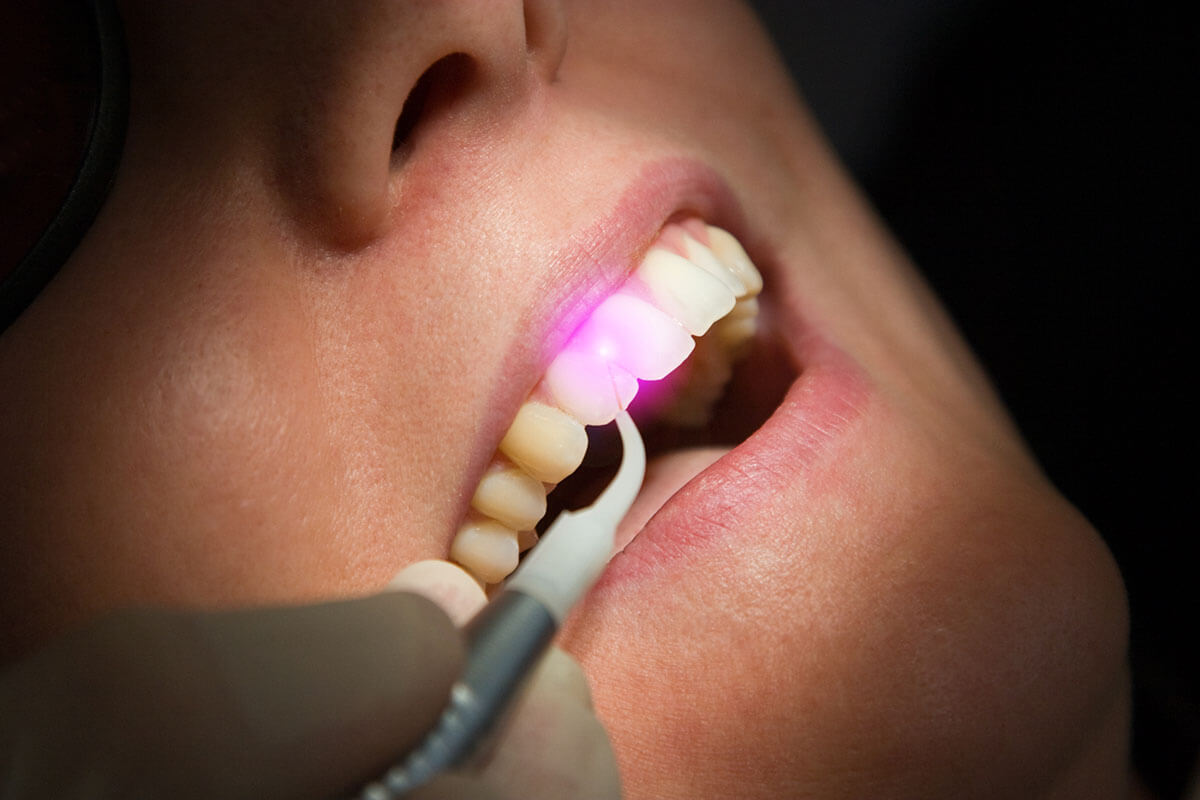
Examination includes visual inspection of teeth, gums, tongue, and other soft tissues. The dentist or hygienist assesses risk for caries (cavities), periodontal disease, bruxism (teeth grinding), and signs of oral cancer.
Professional cleaning and plaque control
Scaling and polishing remove plaque, biofilm, and tartar. Hygienists will often demonstrate targeted oral hygiene techniques and may recommend fluoride treatments or sealants where appropriate.
Diagnostic imaging
Radiographs (X-rays) or other imaging are used when indicated to detect interproximal decay, bone levels around teeth, and abnormalities not visible during a clinical exam. Imaging frequency is based on risk assessment and clinical need.
Benefits of regular dental checkups
Prevention and early treatment
Preventive care reduces the incidence of cavities and periodontal disease. When problems are identified early, treatment can be simpler and less costly than interventions required for advanced disease.
Oral-systemic health links
Oral health is linked to overall health. Periodontal disease has been associated in research with conditions such as diabetes and cardiovascular disease. Regular dental care supports coordination with medical providers when systemic concerns are identified.
Monitoring restorative and orthodontic work
Routine visits ensure fillings, crowns, implants, and orthodontic appliances remain functional. Early detection of wear, leakage, or failure reduces the likelihood of urgent complications.
How often should checkups occur?
Visit frequency is individualized. Standard practice for many adults is an exam and cleaning every six months, but some people with low risk may require less frequent visits, while those with active disease, a history of frequent decay, or certain medical conditions may need visits every three to four months. A dental professional can provide a personalized schedule based on risk factors including oral hygiene, tobacco use, medical history, and previous dental problems.
Who provides care during a checkup?
Dental hygienists commonly perform cleanings and initial assessments. Dentists conduct comprehensive examinations, diagnose conditions, and recommend treatment. In some clinics, dental therapists or clinical officers participate in prevention and basic restorative care under regulatory frameworks. All providers are typically regulated by state or national dental boards and follow professional guidelines.
Preparing for a dental checkup
- Bring a list of current medications and relevant medical conditions.
- Note any new symptoms such as tooth sensitivity, bleeding gums, or mouth sores.
- Maintain routine oral hygiene before the visit to support a thorough assessment.
Evidence and guidance
Public health organizations and dental professional bodies publish guidance on preventive care, screening, and appropriate use of radiographs. For general information on oral health and preventive practices, consult resources from recognized authorities such as the Centers for Disease Control and Prevention (CDC).
For more detailed recommendations, visit the CDC oral health resource: https://www.cdc.gov/oralhealth/
Common concerns about dental visits
Cost and insurance
Costs vary by location, services provided, and insurance coverage. Many practices offer itemized estimates and can discuss payment options. Insurance plans differ in covered services and frequency limitations.
Anxiety and comfort
Dental anxiety is common. Many offices offer approaches to reduce discomfort, including scheduling strategies, communication about procedures, and, in some cases, sedation options under clinical supervision.
Radiation exposure
Modern dental radiography uses low radiation doses. Imaging is performed only when clinically indicated and follows safety protocols and regulatory standards.
When to seek care between scheduled checkups
- Persistent toothache or swelling
- Bleeding gums that do not improve with brushing
- Loose restorations or sudden sensitivity
- Persistent mouth sores or lumps
Conclusion
Regular check ups at your dental office are an evidence-based component of oral health maintenance. They provide prevention, early detection, and monitoring that support both oral and general health. Scheduling visits according to individual risk and following professional guidance helps reduce the need for extensive treatment over time.
FAQ
How often should regular check ups at your dental office be scheduled?
Frequency is individualized. Many people attend every six months, but a dental professional will recommend an interval—more or less frequent—based on risk factors such as previous decay, periodontal disease, medical conditions, and oral hygiene.
What is the difference between a dental cleaning and a dental exam?
A dental cleaning (prophylaxis) is a preventive procedure performed by a hygienist to remove plaque and tartar. A dental exam includes a clinical evaluation by a dentist to assess tooth and gum health, review radiographs if needed, and plan any necessary treatment.
Are dental X-rays safe during routine checkups?
Dental X-rays use low radiation and are safe when taken according to professional guidelines. They are used selectively based on clinical need and risk assessment to minimize exposure while providing diagnostic benefit.
What should be discussed during a checkup?
Mention any changes in health, medications, pain, bleeding, recent dental work, and lifestyle factors such as tobacco use. Clear communication helps the dental team tailor prevention and treatment.
Can regular checkups help detect oral cancer?
Yes. Visual and tactile screening during routine exams can identify suspicious lesions or symptoms that warrant further testing or referral. Early identification improves chances for successful management.