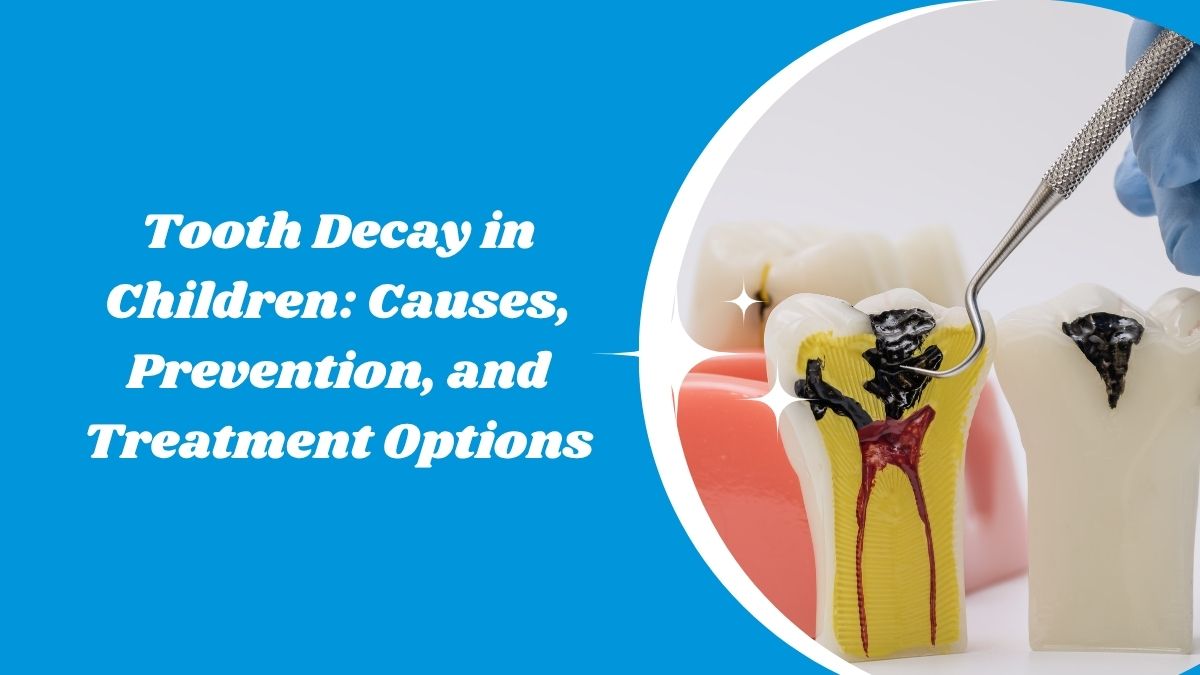
Tooth Decay in Children: Causes, Prevention, and Treatment Options
-

- Published Updated
- 8,580 views
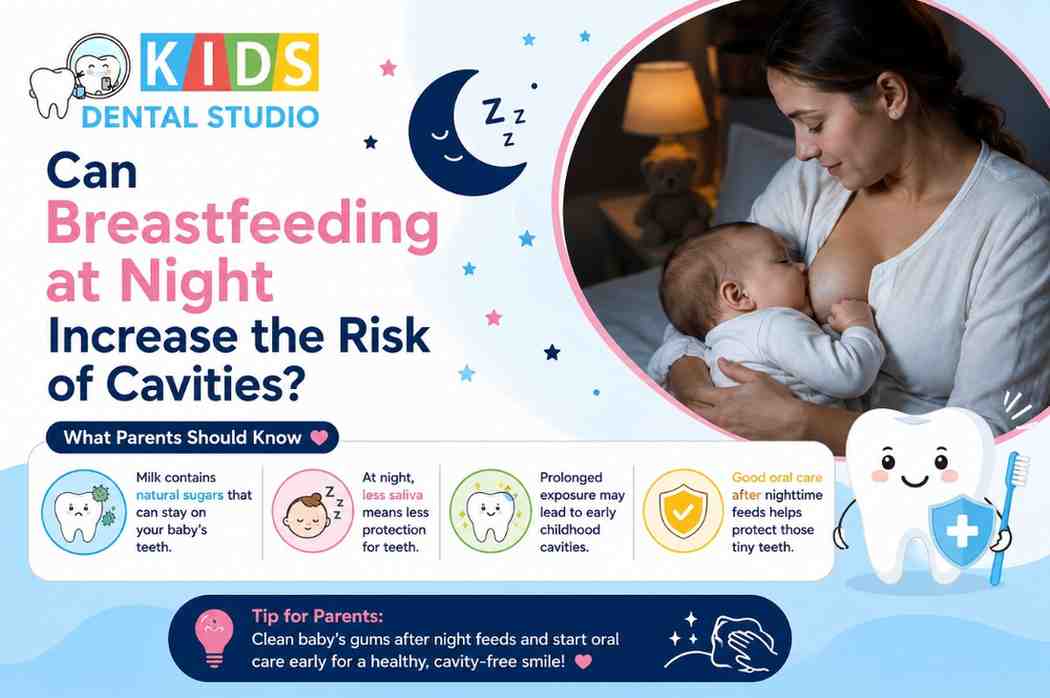
Children’s teeth play a major role in speaking, chewing, facial development, and overall health. However, tooth decay in children has become one of the most common dental problems among kids today. From sugary snacks to poor brushing habits, several factors contribute to dental cavities in children. If ignored, early childhood caries can lead to pain, infection, difficulty eating, and long-term oral health issues.
Parents often assume that baby teeth are temporary and do not require much attention, but healthy primary teeth are essential for guiding permanent teeth into the correct position. Seeking timely care from experts in pediatric dentistry in vaishali nagar can help protect your child’s smile and prevent serious complications in the future.
What Is Tooth Decay in Children?
Tooth decay, also known as cavities in kids, occurs when bacteria in the mouth produce acids that damage the tooth enamel. Over time, this damage creates small holes or cavities in the teeth. Tooth decay can affect infants, toddlers, school-age children, and teenagers.
When decay affects very young children, especially due to prolonged exposure to sugary milk or juices, it is called early childhood caries or baby tooth decay.
Common Causes of Tooth Decay in Children
Understanding the causes of child tooth decay treatment begins with identifying the habits and conditions that increase the risk of cavities.
1. Excess Sugar Consumption
One of the leading causes of kids dental problems is excessive sugar consumption in children. Candies, chocolates, biscuits, soft drinks, flavored milk, and packaged juices feed harmful bacteria in the mouth.
When these bacteria break down sugar, they produce acids that attack tooth enamel and cause dental cavities in children.
2. Poor Oral Hygiene Routine
Irregular brushing and flossing habits allow plaque and bacteria to remain on the teeth. Many children either brush incorrectly or skip brushing before bedtime, increasing the chances of decay.
An effective oral hygiene routine should begin as soon as the first tooth erupts.
3. Sleeping With Milk Bottles
Many toddlers sleep with bottles containing milk, formula, or sweetened liquids. This habit exposes teeth to sugars for long periods and is a major cause of baby tooth decay.
4. Lack of Fluoride Protection
Fluoride toothpaste helps strengthen tooth enamel and reduces cavity formation. Children who do not use fluoride toothpaste or fluoride-based preventive treatments may have a higher risk of tooth decay.
5. Irregular Dental Visits
Skipping regular dental checkups prevents early detection of cavities. Small dental problems can quickly become severe if left untreated.
Signs and Symptoms of Tooth Decay in Children
Parents should watch for the following warning signs:
White or brown spots on teeth
Tooth sensitivity to hot or cold foods
Pain while chewing
Bad breath
Swollen gums
Visible holes in teeth
Complaints of toothache
Early diagnosis through pediatric dental care helps prevent complicated procedures later.
Why Baby Teeth Matter
Many parents ignore cavities in baby teeth because they eventually fall out. However, untreated decay can affect a child’s overall development and oral health.
Healthy baby teeth help children:
Chew food properly
Speak clearly
Maintain facial structure
Guide permanent teeth into place
Build confidence with a healthy smile
Untreated early childhood caries may even damage developing permanent teeth beneath the gums.
How to Prevent Tooth Decay
Preventive dental care is the best way to maintain children oral health. Parents can significantly reduce the risk of cavities with simple daily habits.
1. Encourage Proper Brushing and Flossing Habits
Children should brush twice daily using fluoride toothpaste. Parents should supervise brushing until children develop proper technique.
Important tips:
Use a soft-bristled toothbrush
Replace toothbrushes every 3 months
Teach gentle circular brushing motions
Begin flossing once teeth touch each other
Strong brushing and flossing habits are essential for lifelong oral health.
2. Limit Sugary Foods and Drinks
Reducing sugar consumption in children lowers cavity risk. Avoid frequent snacking on sticky or sugary foods.
Instead, offer:
Fresh fruits
Nuts
Cheese
Yogurt
Homemade snacks
A balanced diet for kids supports healthier teeth and gums.
3. Include Calcium-Rich Foods
Calcium-rich foods strengthen developing teeth and bones. Good options include:
Milk
Paneer
Yogurt
Green vegetables
Almonds
Combined with vitamin D, calcium helps maintain strong enamel.
4. Schedule Regular Dental Checkups
Routine dental visits help detect issues before they become serious. Dentists can identify plaque buildup, weak enamel, or early cavities during regular dental checkups.
Families seeking pediatric dentistry in vaishali nagar should prioritize preventive visits every six months.
5. Consider Dental Sealants
Dental sealants are thin protective coatings applied to the chewing surfaces of molars. They prevent food particles and bacteria from settling into deep grooves.
Sealants are highly effective in preventing dental cavities in children, especially in school-age kids.
6. Avoid Bottle Feeding at Night
Do not allow children to sleep with milk or juice bottles. If necessary, provide only water during bedtime.
This simple habit greatly reduces the risk of baby tooth decay.
Treatment Options for Tooth Decay in Children
If cavities develop despite preventive efforts, timely child tooth decay treatment becomes essential.
Fluoride Treatments
For early-stage decay, dentists may apply fluoride treatments to strengthen enamel and reverse minor damage.
Pediatric Dental Fillings
When cavities become larger, pediatric dental fillings are used to restore damaged teeth and prevent further infection.
These fillings are safe, durable, and specially designed for children.
Crowns for Severely Damaged Teeth
In cases of extensive decay, stainless steel crowns may be recommended to protect weak teeth.
Root Canal Treatment for Children
If decay reaches the tooth nerve, pediatric root canal procedures may be needed to save the tooth.
Tooth Extraction
Severely damaged teeth that cannot be restored may require removal. Dentists may recommend space maintainers to guide permanent teeth properly afterward.
Importance of Choosing the Right Pediatric Dentist
Children require specialized dental care because their emotional and developmental needs differ from adults. A skilled pediatric dentist creates a comfortable and friendly environment that reduces fear and anxiety.
Parents looking for the best pediatric orthodontist in vaishali nagar should choose professionals experienced in treating children gently and effectively.
In some cases, alignment issues caused by damaged or missing teeth may also require consultation with the best orthodontist in jaipur or an experienced orthodontist in vaishali nagar.
Creating Healthy Dental Habits for Life
Good dental habits developed during childhood often continue into adulthood. Parents play a critical role in teaching children the importance of oral care.
Simple habits such as:
Brushing twice daily
Eating nutritious foods
Drinking enough water
Visiting the dentist regularly
Avoiding excessive sweets
can protect children from future dental complications.
Conclusion
Tooth decay in children is preventable with proper awareness, healthy habits, and timely dental care. From maintaining a proper oral hygiene routine to encouraging a balanced diet for kids, every small effort contributes to stronger and healthier teeth.
Early intervention is extremely important because untreated cavities in kids can lead to pain, infections, speech problems, and long-term dental complications. Regular visits for pediatric dentistry in vaishali nagar help ensure early detection and effective treatment of dental issues before they worsen.
By focusing on preventive dental care, parents can protect their children’s smiles and support better overall health for years to come.