Common Daily Habits That Can Contribute to Neck and Foot Discomfort
-

- Published Updated
- 1,604 views

Everyday routines can have a noticeable effect on how the body feels and moves. Spending long periods at a desk, standing for extended periods, wearing unsuitable shoes, or repeating the same movements throughout the day can gradually contribute to physical discomfort.
While occasional discomfort may be temporary, recurring symptoms can sometimes be related to daily habits, movement patterns, or the way the body is positioned during regular activities. Understanding these factors can help people make simple adjustments to support better physical comfort.
How Can Poor Posture Affect the Neck?
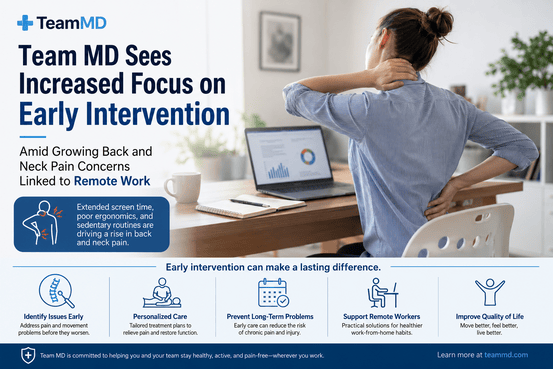
Poor posture is a common habit that can place unnecessary stress on the muscles and joints around the neck. Sitting with the head positioned too far forward or keeping the shoulders rounded for long periods may contribute to neck discomfort and neck stiffness.
Over time, maintaining the same position can increase muscle tension, particularly around the shoulders and upper back. Small adjustments, such as keeping the screen at a comfortable height and allowing the shoulders to relax, may help reduce unnecessary strain.
People experiencing recurring symptoms may consider professional assessment to understand whether posture, movement habits, or another factor could be contributing to their discomfort.
Can Prolonged Screen Time Contribute to Neck Problems?
Prolonged screen time can encourage people to remain in one position for extended periods. Looking down at a phone or leaning toward a computer screen may place additional demand on the neck and upper back.
Taking regular movement breaks can help avoid staying in one posture for too long. Changing position, gently moving the shoulders, and adjusting the height of a screen can make everyday activities more comfortable.
For people looking for neck pain treatment malaysia, understanding daily habits can be an important part of managing recurring neck symptoms. Professional guidance may also help identify appropriate exercises and movement strategies.
How Can Sleeping Habits Affect Neck Comfort?
Sleeping position and pillow support can influence how the neck is positioned for several hours at a time. A pillow that does not provide suitable support may contribute to neck stiffness after waking.
There is no single sleeping position that works equally well for everyone. Comfort, individual body structure, and existing symptoms can all influence what feels appropriate.
People experiencing persistent neck discomfort may benefit from discussing their sleeping habits and daily activities with a qualified healthcare professional.
Can Standing Habits Affect the Feet?
Standing for long periods can place repeated stress on the feet and lower limbs. When a person remains in one position for an extended time, the muscles and soft tissues may become tired, potentially contributing to foot discomfort.
Standing posture can also influence how weight is distributed through the feet. Frequently shifting weight to one side or placing excessive pressure on a particular area may affect overall comfort.
Taking short breaks, changing positions, and using appropriate surfaces can help make prolonged standing more manageable.
How Do Walking Patterns Influence Foot Comfort?
The way a person walks can affect how forces move through the feet and legs. Certain walking patterns may place greater pressure on specific areas of the foot.
Changes in walking habits can sometimes occur because of footwear, previous injuries, muscle weakness, or differences in foot alignment. If foot pain continues or repeatedly returns, an assessment may help identify possible contributing factors.
Understanding movement patterns can be particularly useful when addressing recurring lower-limb discomfort rather than focusing only on the painful area.
Can Footwear Contribute to Foot Discomfort?
Footwear plays an important role in everyday foot comfort. Shoes that are too tight, lack adequate support, or do not suit a person's activity can contribute to pressure and discomfort.
Choosing supportive footwear with an appropriate fit can help provide better comfort during walking and standing. People who spend much of the day on their feet may need to pay particular attention to cushioning, stability, and overall fit.
For individuals researching plantar fasciitis treatment kuala lumpur, understanding footwear and everyday movement habits can be useful when considering factors that may contribute to heel and foot symptoms.
Why Is Foot Alignment Important?
Foot alignment affects how weight is distributed when standing and walking. Differences in alignment can influence the way the feet, ankles, knees, and hips work together.
Poorly fitting shoes, repetitive activities, or changes in walking patterns may sometimes affect how pressure is distributed across the foot. When discomfort is persistent, a healthcare professional can assess movement and alignment rather than relying only on self-diagnosis.
How Can Daily Movement Help?
Regular movement can be helpful for people who spend much of their day sitting or standing. Gentle activity can reduce the effects of staying in one position for too long and may support normal mobility.
For office workers, changing sitting positions and taking movement breaks can reduce prolonged static posture. For people who stand or walk frequently, alternating activities and allowing adequate recovery can help manage foot pain and general physical fatigue.
The appropriate type and amount of activity can vary depending on a person's symptoms and overall health.
When Should Professional Advice Be Considered?
Occasional foot discomfort or neck discomfort may improve after changing daily habits, but persistent or worsening symptoms deserve attention. Professional assessment can help determine whether the symptoms are related to posture, movement, footwear, muscle tension, or another underlying issue.
People should also seek appropriate medical advice when discomfort is accompanied by significant weakness, numbness, swelling, injury, or other concerning symptoms.
Frequently Asked Questions
Can daily habits really contribute to neck discomfort?
Yes. Repeated posture, prolonged screen use, limited movement, and certain sleeping positions can contribute to muscular strain and neck stiffness.
Can standing for long periods cause foot pain?
Extended standing may increase pressure and fatigue in the feet. Appropriate breaks, comfortable surfaces, and supportive footwear may help improve everyday comfort.
Is poor posture the only cause of neck problems?
No. Neck symptoms can have many possible causes. Poor posture is one potential contributing factor, but persistent symptoms should be assessed appropriately.
Can footwear affect foot alignment?
Footwear can influence how the feet are positioned and how pressure is distributed while walking. However, individual anatomy and movement patterns also play a role.
What can help prevent recurring discomfort?
Regular movement, suitable footwear, comfortable working positions, and attention to walking patterns can support better everyday body mechanics.
Conclusion
Daily habits can influence how the neck and feet feel over time. Paying attention to posture, movement, footwear, screen habits, and standing routines can help people become more aware of factors that may contribute to recurring discomfort.
When symptoms continue despite simple adjustments, professional assessment can provide a clearer understanding of the possible cause and appropriate next steps.
CTA
If recurring discomfort is affecting your daily activities, consider discussing your symptoms and everyday habits with a qualified healthcare professional for personalised guidance.