Why Healthy Gums Are Essential for a Healthy Smile
-

- Published Updated
- 4,051 views
When people think about oral health, they often focus on clean teeth, cavities, or getting a brighter smile. However, healthy gums are just as important. The gums provide essential support for the teeth and help protect the structures surrounding them. When gum health is neglected, seemingly minor symptoms can eventually develop into more serious dental problems.
Understanding the importance of gum health and recognizing early warning signs can help people take better care of their teeth and seek professional advice when necessary.
What Makes Healthy Gums So Important?
Gums form a protective barrier around the teeth and help support the tissues and bone that keep teeth stable. Healthy gums are generally firm and do not bleed easily during routine brushing or flossing.
When harmful bacteria accumulate around the teeth, they can cause inflammation of the gums. This early stage of gum disease is commonly known as gingivitis. If left unmanaged, the condition can progress and affect the deeper tissues supporting the teeth.
This is one reason regular dental examinations are important even when there is no obvious tooth pain.
Common Signs of Gum Problems
Gum disease does not always cause noticeable discomfort in its early stages. Paying attention to subtle changes can therefore be helpful.
Some common warning signs include:
- Bleeding while brushing or flossing
- Red, swollen, or tender gums
- Persistent bad breath
- Gum recession
- Teeth that appear longer than before
- Increased sensitivity
- Loose or shifting teeth
- Changes in the way teeth fit together
A single episode of bleeding may not necessarily indicate serious disease, but persistent symptoms should not be ignored.
Gum Recession Should Not Be Overlooked
Gum recession occurs when the gum tissue gradually pulls away from the tooth, exposing more of the tooth surface. It can make teeth appear longer and may lead to sensitivity, particularly when consuming hot, cold, or acidic foods.
Several factors can contribute to gum recession, including aggressive brushing, gum disease, tooth position, inadequate oral hygiene, and certain anatomical characteristics.
Because the underlying cause can vary from person to person, treatment should be based on an appropriate clinical evaluation rather than simply addressing the visible recession.
The Role of Periodontal Care
Periodontal care focuses on the health of the gums and the supporting structures around the teeth. It plays an important role in preventing the progression of gum disease and maintaining natural teeth over the long term.
Modern periodontal treatment can include both non-surgical and surgical approaches depending on the condition. Professional cleaning, periodontal therapy, gum grafting, regenerative procedures, and other treatments may be considered based on individual needs.
For people experiencing persistent bleeding, gum recession, loose teeth, or other concerns, consulting a periodontist for gum disease treatment can help identify the cause and determine an appropriate treatment plan.
How Laser Dentistry Is Changing Gum Care
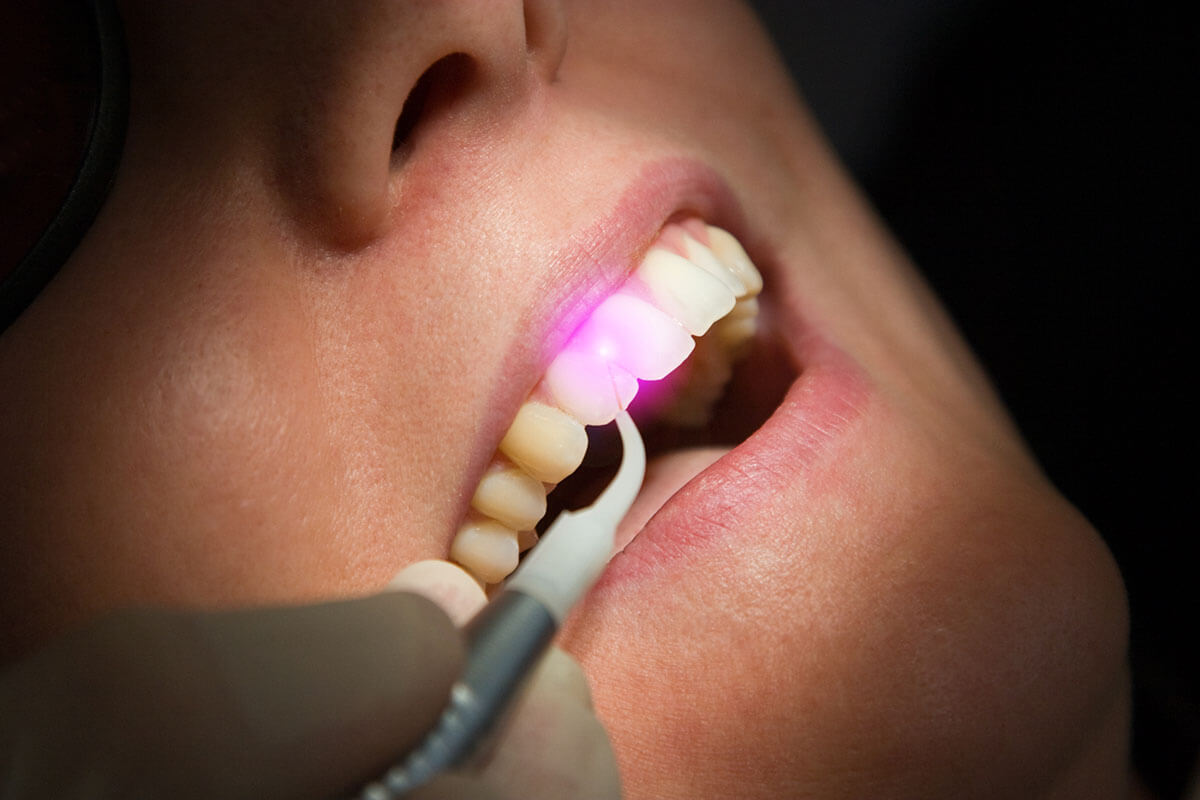
Advances in dental technology have introduced new approaches to periodontal treatment. Laser dentistry is one such technology that can be used in selected dental and gum procedures.
Depending on the procedure and the patient's individual condition, laser-assisted treatment may help clinicians work with greater precision while reducing the need for more invasive techniques in appropriate cases.
However, laser treatment is not automatically the best option for every patient. A proper diagnosis should come first, followed by a treatment approach that addresses the specific underlying problem.
Prevention Starts With Everyday Habits
Professional dental care is important, but daily habits remain the foundation of good oral health.
A simple routine can include:
- Brushing twice a day with a soft-bristled toothbrush.
- Cleaning between the teeth regularly using floss or another suitable interdental cleaning method.
- Limiting frequent consumption of sugary foods and drinks.
- Avoiding tobacco products.
- Paying attention to persistent bleeding or changes in the gums.
- Scheduling regular dental check-ups.
- Following professional recommendations for periodontal maintenance when required.
Good oral hygiene is particularly important for people who have previously experienced gum disease, as ongoing maintenance can help reduce the likelihood of recurrence.
Don't Wait for Pain to Take Action
One of the biggest misconceptions about dental problems is that pain is always the first indication that something is wrong. Gum disease can develop gradually without significant discomfort, allowing the condition to progress unnoticed.
Regular dental examinations provide an opportunity to identify changes before they become more complicated. Early evaluation can also make it easier to understand whether symptoms are related to gum disease, tooth sensitivity, brushing habits, or another underlying issue.
Protecting Your Natural Teeth Starts With Your Gums
A healthy smile depends on more than the appearance of the teeth. Strong and healthy gums provide the foundation needed to support them for years to come.
By maintaining good oral hygiene, recognizing early warning signs, and seeking professional evaluation when problems persist, individuals can take meaningful steps toward protecting their periodontal health and preserving their natural teeth.
Ultimately, prevention and early intervention can make a significant difference. Caring for the gums today is an investment in a healthier smile for the future.