Rudraksha Malas: Meaning, Types, Benefits and How to Use Thems
-
- Published Updated
- 88 views
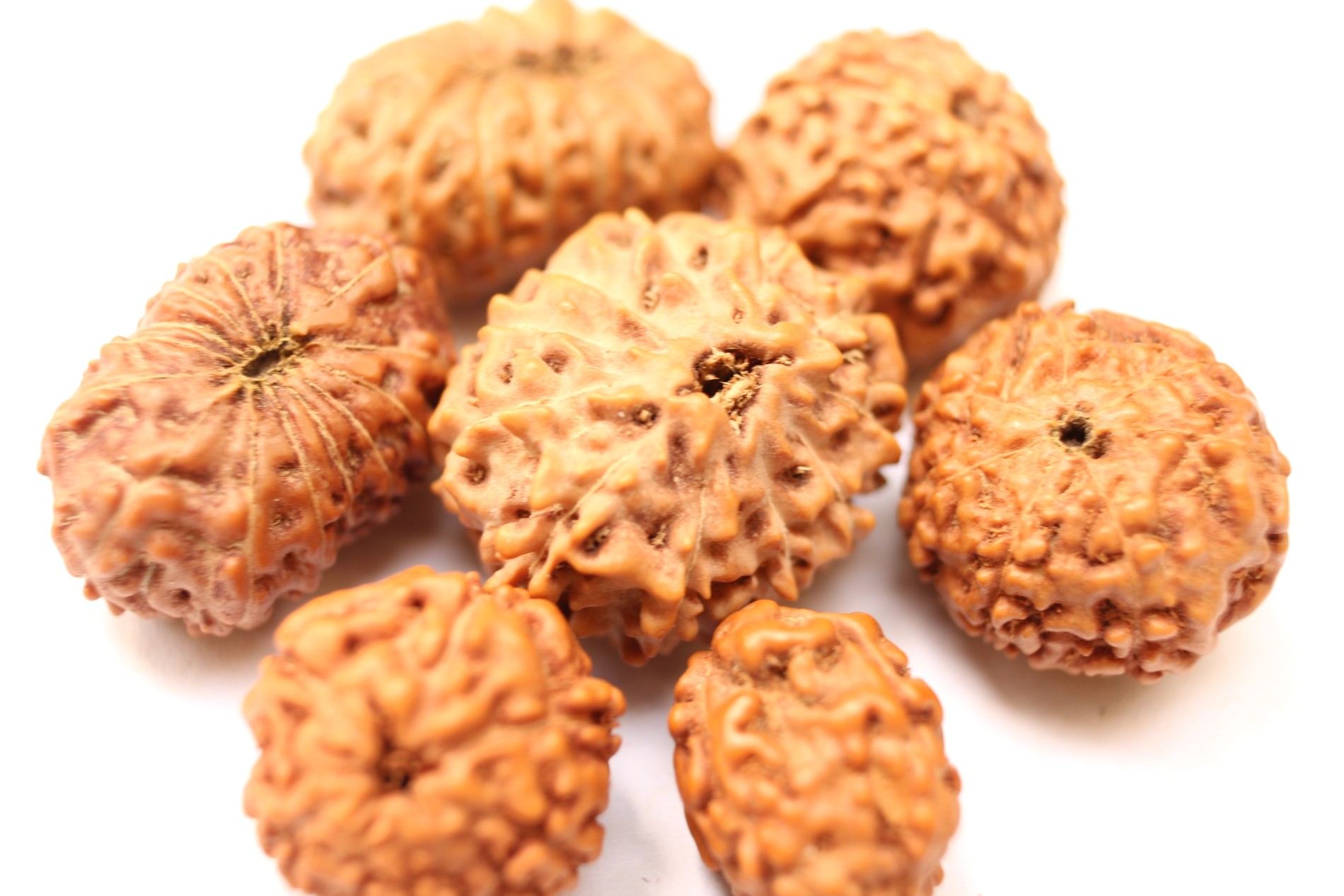
Rudraksha malas have been used in Indian spiritual traditions for centuries as a tool for meditation, mantra chanting, prayer, and spiritual practice. Made from sacred Rudraksha beads, these malas are traditionally used to maintain focus while repeating a mantra or prayer.
Today, Rudraksha malas are available in different bead sizes, Mukhi varieties, and designs, making them suitable for both spiritual practices and everyday use.
What Is a Rudraksha Mala?
A Rudraksha mala is a string of Rudraksha beads traditionally used for Japa (mantra repetition) and meditation. A standard mala commonly contains 108 beads, along with an additional bead known as the Guru or Meru bead.
The number 108 has an important place in several Indian spiritual traditions. During Japa, practitioners move through the beads one by one while repeating their chosen mantra.
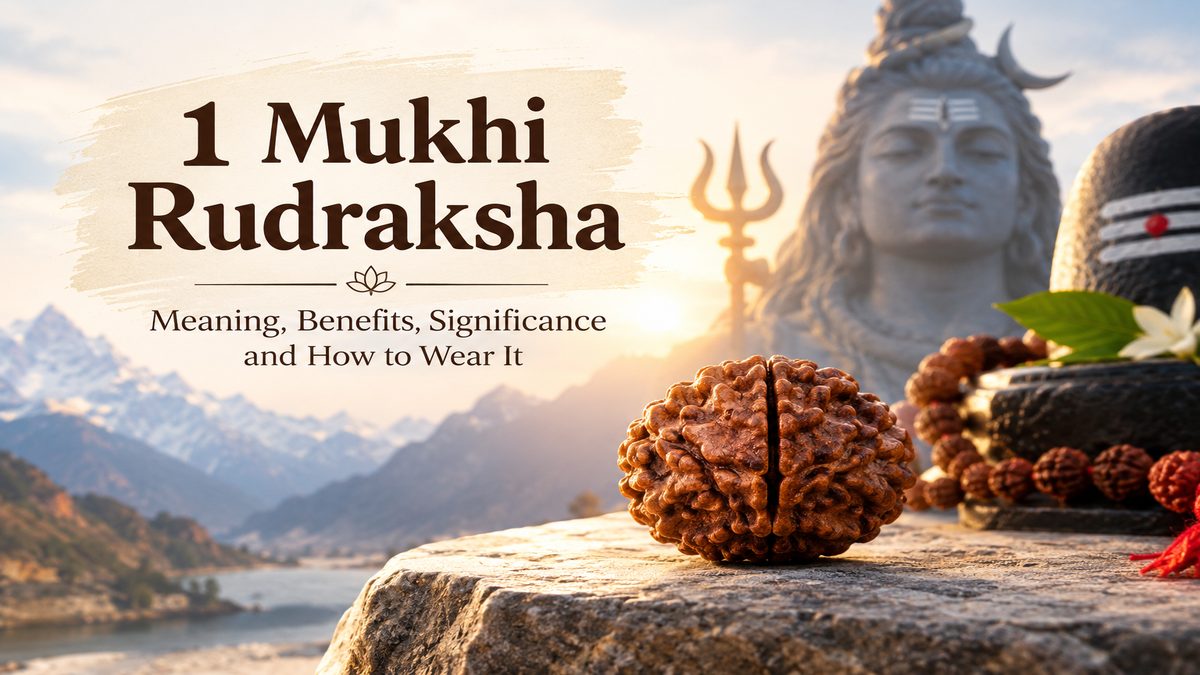
Rudraksha beads themselves are the dried seeds of the Rudraksha tree, scientifically associated with the Elaeocarpus genus. They are especially connected with Lord Shiva in Hindu traditions.
Different Types of Rudraksha Malas
Rudraksha malas can be made using different Mukhi Rudraksha beads. The term "Mukhi" refers to the natural lines or faces visible on the surface of a Rudraksha bead.
5 Mukhi Rudraksha Mala
The 5 Mukhi Rudraksha mala is one of the most commonly used varieties. It is traditionally associated with spiritual practice, meditation, and regular mantra chanting.
Because of its traditional accessibility, it is often chosen by beginners as well as experienced practitioners.
6 Mukhi Rudraksha Mala
A 6 Mukhi Rudraksha mala is another variety used in spiritual practices. Different traditions associate it with Lord Kartikeya and particular spiritual qualities.
7 Mukhi Rudraksha Mala
The 7 Mukhi Rudraksha is traditionally associated with Goddess Lakshmi and is often included in malas used for spiritual and devotional practices.
Mixed Rudraksha Malas
Some malas combine different Mukhi Rudraksha beads. These designs may be selected according to an individual's spiritual preferences, traditional practices, or specific devotional purposes.
Traditional Significance of Rudraksha Malas
Rudraksha has a long-standing association with Lord Shiva and Shaivite traditions. Because of this connection, Rudraksha malas are commonly used during prayers, meditation, and the chanting of Shiva mantras.
Many practitioners use a mala to create a consistent rhythm during Japa. Rather than focusing on counting repetitions mentally, the beads provide a physical method of tracking the mantra.
This can help make a meditation routine more structured and focused.
How to Use a Rudraksha Mala for Japa
Using a Rudraksha mala is relatively simple.
Start by holding the mala comfortably in your hand. Select a mantra according to your spiritual practice. A commonly known Shiva mantra is “Om Namah Shivaya.”
Move from one bead to the next while completing one repetition of the mantra. Continue until you reach the Guru or Meru bead.
Traditionally, practitioners avoid crossing over the Guru bead. Instead, they turn the mala around and continue in the opposite direction if another round of Japa is desired.
Regular practice is generally more important than rushing through a fixed number of repetitions.
How to Care for a Rudraksha Mala
Proper care can help maintain the condition of a Rudraksha mala for a longer period.
Keep the mala away from unnecessary moisture and harsh chemicals. Avoid applying perfumes, sprays, or chemical-based products directly onto the beads.
When not in use, store the mala in a clean and dry place. A soft cloth or suitable pouch can help protect the beads from dust and friction.
It is also useful to handle Rudraksha beads gently because excessive pressure or rough handling may damage their natural surface.
Can You Wear a Rudraksha Mala?
Yes, many people traditionally wear Rudraksha malas around the neck or use them during meditation and prayer. The choice depends on personal preference and spiritual practice.
Some practitioners wear their mala regularly, while others keep it specifically for meditation, Japa, or religious activities.
If you follow a particular spiritual tradition, you may also choose to follow its specific guidelines regarding how and when the mala should be worn.
Choosing the Right Rudraksha Mala
When buying a Rudraksha mala, consider the type of Rudraksha, bead quality, authenticity, construction, and intended use.
For regular Japa, a traditional 108-bead mala can be a practical choice. If you are purchasing a specific Mukhi Rudraksha mala, learn about its traditional significance and buy from a reliable source.
It is important to remember that traditional and spiritual claims about Rudraksha should not be treated as medical advice or as a substitute for professional healthcare.
Final Thoughts
Rudraksha malas combine traditional symbolism with a practical role in meditation and mantra chanting. Whether used for Japa, prayer, meditation, or devotional practice, a Rudraksha mala can become a meaningful part of a regular spiritual routine.