Rustic Revival: Practical Guide to Restoring Forgotten Vehicles
-

- Published Updated
- 1,617 views
Rustic Revival: Practical Guide to Restoring Forgotten Vehicles
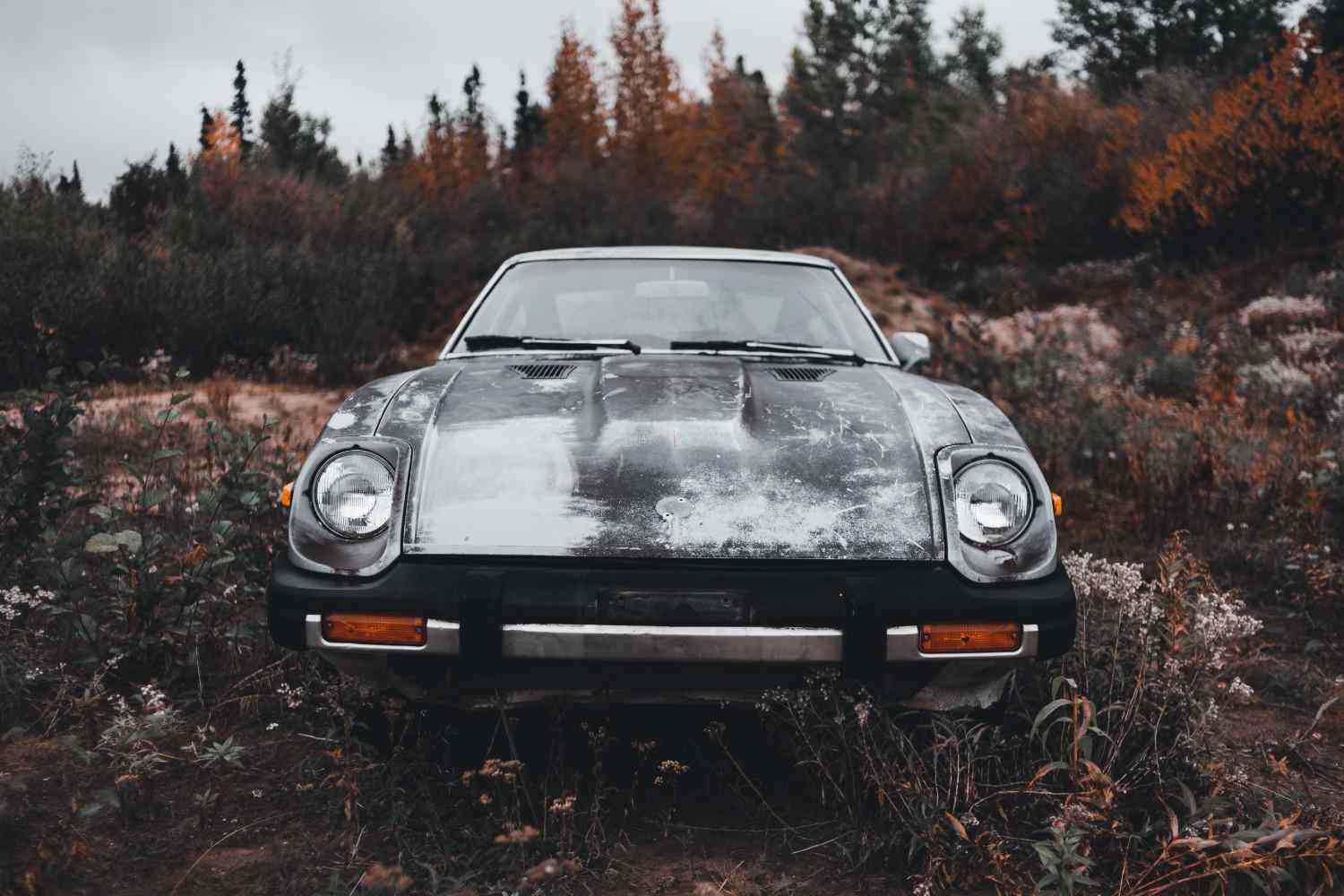
Rustic Revival is a creative and methodical approach to bringing neglected cars, trucks, and motorcycles back into use or display condition while preserving character and historic patina. This guide outlines assessment, rust repair, mechanical safety, parts sourcing, and preservation strategies for a general audience interested in vehicle rehabilitation, barn finds, and classic auto restoration.
- Inspect and document condition before beginning work.
- Address structural rust and suspension safety first.
- Source compatible parts from salvage yards, specialist suppliers, and community networks.
- Preserve historical character when appropriate; use reversible techniques for conservation.
- Follow safety and regulatory guidance for registration, emissions, and roadworthiness.
Assessing a Forgotten Vehicle
Start with a thorough inspection: structural integrity, frame and floor pan condition, suspension components, braking system, and basic engine and transmission presence. Photographs and detailed notes help track progress. Look for signs of water damage, previous welds, and missing or improvised parts. Consider how much of the original material should be retained to preserve provenance versus what must be replaced for safety.
Planning Restoration Work
Develop a prioritized plan that separates immediate safety fixes from cosmetic work. Structural repairs, brake and steering systems, fuel and electrical safety items, and tires should be treated as priority tasks. Create a parts list and a budget scope: full mechanical overhaul, partial mechanical with cosmetic preservation, or a conservative conservation approach that stabilizes the vehicle without erasing its patina.
Rust Repair and Metalwork
Diagnose rust severity
Differentiate between surface rust, through-holes, and frame-weakening corrosion. Surface rust can often be treated with abrasion and corrosion inhibitors; extensive corrosion may require plate replacement and professional welding. When cutting out sections, document original seams and use appropriate sheet metal thickness for patch panels.
Welding and structural repairs
Welding techniques (MIG/TIG) and rust-through repairs are specialized skills. If unfamiliar with welding, consult a certified technician or a restoration shop. Replacing structural members may affect alignment and suspension geometry; post-repair measurement and wheel alignment are important.
Mechanical Systems and Safety
Brake, steering, and suspension
Inspect brake lines, calipers, drums, and master cylinders for corrosion or leakage. Replace rubber lines and seals as needed. Check tie rods, control arms, and bushings for play. Suspension condition affects safety and handling; prioritize solid mounts and correct spring/shock function.
Fuel, electrical, and engine basics
Old fuel tanks and lines may contain varnish or rust; consider cleaning or replacing tanks and installing new hoses. Electrical systems on older vehicles often suffer from brittle insulation and poor connections—trace circuits, replace damaged wiring, and verify charging system operation before attempting to start an engine.
Parts Sourcing and Documentation
Parts sourcing can involve salvage yards, specialist reproduction suppliers, and online communities. Keep a log of part numbers and provenance. When originality matters for historical value, prioritize OEM-equivalent parts or documented NOS (new old stock). For mechanical reliability, modern components that fit and meet specifications can be appropriate; document any substitutions for future owners or appraisals.
Finishes, Patina, and Preservation
Decide whether to preserve original paint and patina or to perform a full repaint. Conservation approaches aim to stabilize surfaces and protect metal while retaining character; reversible coatings and clear protective layers can be used to maintain a weathered look. Full restorations benefit from correct color matching and proper surface preparation to avoid corrosion under paint.
Regulatory and Safety Considerations
Before returning a vehicle to public roads, confirm compliance with local registration, inspection, and emissions rules. Safety components such as seat belts, lights, and tires should meet current standards for road use. For authoritative guidance on vehicle safety and federal regulations, consult the National Highway Traffic Safety Administration (NHTSA). Additionally, technicians with Automotive Service Excellence (ASE) certification are commonly recognized for professional standards in mechanical work.
Community, Learning, and Resources
Joining local car clubs, online forums, and restoration societies can accelerate learning and access to specialist tools. Technical manuals, factory service literature, and publications from the Society of Automotive Engineers (SAE) provide detailed specifications and engineering context. Practical workshops and trade schools are useful for acquiring metalwork and welding skills under supervision.
Long-Term Care and Storage
After restoration or stabilization, maintain the vehicle with regular inspections, moisture control, and corrosion-preventive measures. Controlled storage, periodic exercise of mechanical systems, and documentation of service history will protect investment and heritage value.
Cost Considerations and Project Scope
Estimate costs conservatively and expect unexpected findings when disassembling older vehicles. Time, parts availability, and labor are common variables. Small conservation projects can be completed on modest budgets, while full mechanical and body restorations can become significant investments. Create milestones and re-evaluate scope if expenses exceed planned limits.
What is Rustic Revival and how does it differ from classic restoration?
Rustic Revival emphasizes preserving character and original materials where practical, often retaining patina and visible history. Classic restoration typically aims to return a vehicle to factory-new condition, focusing on period-correct finishes and components. The choice depends on goals, provenance, and budget.
How can safety be prioritized when reviving a neglected vehicle?
Address brakes, steering, suspension, tires, fuel system, and electrical safety first. Use certified technicians for structural repairs and follow local inspection and registration requirements before driving on public roads.
Where are reliable sources for replacement parts and technical information?
Salvage yards, specialist suppliers, factory service manuals, and technical societies such as SAE offer parts and detailed specifications. Owner clubs and online forums are valuable for locating rare components and sharing restoration tips.
Can patina be preserved while ensuring long-term durability?
Yes. Stabilize and treat corrosion, apply protective coatings or clear sealants, and use reversible methods where possible so the appearance is maintained while protecting metal from further decay.