RWA Tokenization in 2026: Turn Real-World Assets into Digital Investment Opportunities
-
- Published Updated
- 57 views
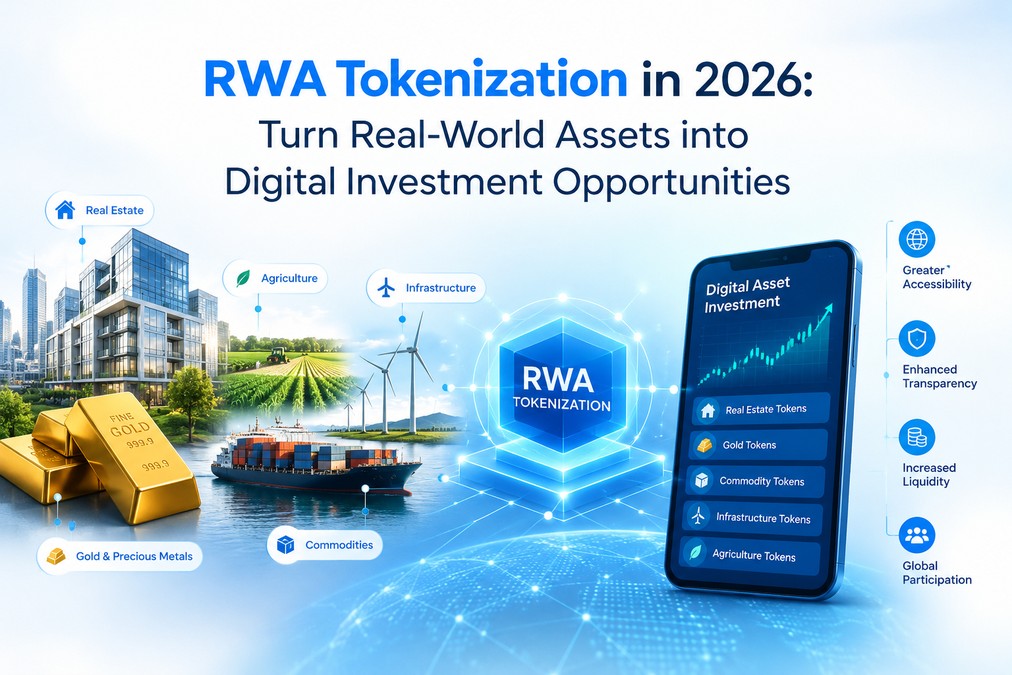
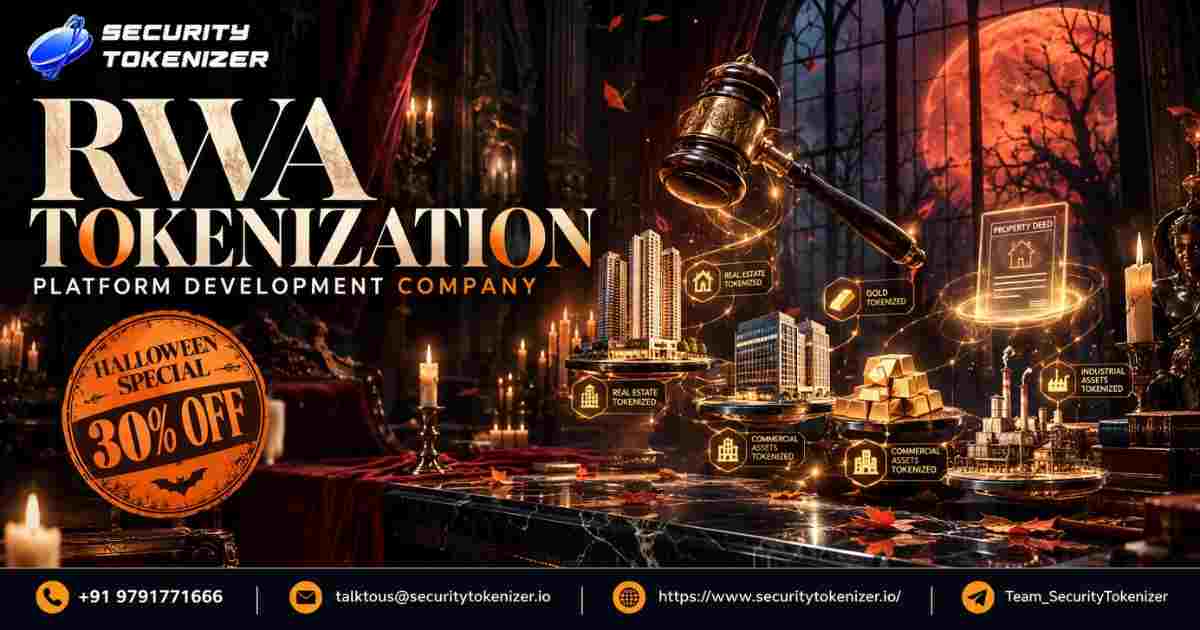
The financial industry is entering a new phase where traditional assets can be represented and managed through blockchain technology. Real estate, commodities, private credit, and other eligible assets are becoming part of the growing real-world asset (RWA) tokenization ecosystem.
Businesses are exploring this technology to improve asset administration, automate transactions, and create new investment opportunities. As adoption develops, working with an experienced RWA tokenization development company can help organizations build secure, scalable platforms tailored to their business requirements.
Clarisco helps businesses explore blockchain development solutions designed to support digital asset issuance, smart contract automation, and tokenization platform infrastructure.
What Makes RWA Tokenization a Growing Business Opportunity?
Traditional asset management can involve complex documentation, multiple intermediaries, manual recordkeeping, and limited access to certain investment opportunities. Blockchain-based tokenization offers an alternative approach to managing digital representations of asset-related rights.
RWA tokenization can provide several business advantages:
Fractional ownership: Eligible asset interests can be divided into smaller units, subject to legal and regulatory requirements.
Transparent records: Blockchain technology can provide verifiable transaction histories.
Automated processes: Smart contracts can execute predefined rules for transfers and distributions.
Digital accessibility: Online platforms can help eligible participants access asset information and manage their holdings.
Operational efficiency: Integrated systems can simplify selected issuance, reporting, and administration processes.
These benefits depend on the asset structure, platform design, legal arrangements, and implementation quality. Tokenization does not automatically guarantee liquidity, profitability, or legal ownership of an underlying physical asset.
Which Real-World Assets Can Be Tokenized?
A well-designed RWA tokenization platform can support different asset categories depending on the project's technical and legal requirements.
1. Real Estate Tokenization
Real estate tokenization can represent eligible ownership interests or contractual rights associated with residential properties, commercial buildings, and other property investments.
For example, a commercial property investment may be structured into smaller digital units, allowing eligible investors to participate through a defined legal arrangement. The tokens represent the rights established by that arrangement, not automatically direct ownership of the building.
2. Commodity Tokenization
Commodities such as gold and silver may be represented by digital tokens linked to specified assets or contractual claims. Reliable custody arrangements, asset verification, redemption policies, and independent audits can be important components of these platforms.
3. Private Credit and Debt Tokenization
Eligible private credit and debt instruments can be represented through blockchain-based systems. Smart contracts may support payment tracking, recordkeeping, and configured distribution processes.
4. Carbon Credit Tokenization
Tokenization can support the digital representation and tracking of eligible carbon credits. Platforms need clear verification, registry integration, and controls against duplicate issuance or inappropriate reuse of credits.
5. Private Equity Tokenization
Certain private company shares or investment interests may be represented digitally where permitted. These platforms often require investor eligibility checks, transfer restrictions, and accurate ownership records.
How Does RWA Tokenization Platform Development Work?
RWA tokenization platform development involves building the technology that connects asset documentation, blockchain tokens, investor interfaces, and administrative processes.
A typical development process includes the following stages.
Step 1: Asset and Business Model Assessment
Identify the assets, target users, investment structure, and intended rights represented by the tokens.
Step 2: Legal and Compliance Planning
Determine the relevant legal structure, jurisdictional requirements, investor eligibility rules, and applicable licensing obligations with qualified professionals.
Step 3: Blockchain Selection
Choose a blockchain based on security, transaction costs, smart contract capabilities, interoperability, and project requirements.
Step 4: Smart Contract Development
Develop contracts for token issuance, transfer permissions, supply management, and other required functions.
Step 5: Platform Interface Development
Build investor dashboards, administrative panels, asset listings, transaction histories, and supporting integrations.
Step 6: Security Testing and Deployment
Test the platform, review access controls, arrange independent smart contract audits where appropriate, and deploy the solution with monitoring and maintenance procedures.
An experienced RWA tokenization development company can help coordinate these technical requirements and create a platform aligned with the business model.
Essential Features of a Successful RWA Tokenization Platform
Businesses should evaluate the following capabilities when planning a tokenization solution.
Feature |
Business purpose |
|---|---|
Digital token issuance |
Creates tokens representing defined asset-related rights |
Smart contract automation |
Enforces programmed transaction and permission rules |
Investor onboarding |
Supports registration and eligibility checks |
KYC/AML integration |
Supports required identity and compliance processes |
Asset management dashboard |
Organizes asset details and administrative records |
Payment integration |
Supports applicable funding and settlement workflows |
Distribution management |
Helps administer configured income distributions |
Reporting and analytics |
Provides transaction and operational insights |
Custody integration |
Supports appropriate digital asset safekeeping arrangements |
The exact feature set depends on the asset class, target market, compliance obligations, and operational requirements.
How Can Businesses Generate Revenue From RWA Tokenization?
RWA platforms can adopt different revenue models depending on their customers and services.
Common options include:
Issuance fees: Charges for creating and launching tokenized asset offerings.
Platform subscription fees: Recurring charges for access to platform software.
Transaction fees: Fees for eligible transactions processed through the platform.
Asset administration fees: Charges for ongoing asset records and related services.
White-label licensing: Licensing platform technology to other businesses.
Reporting services: Fees for specialized analytics and operational reporting.
Businesses should evaluate the economics of each model alongside operating costs, customer demand, legal restrictions, and applicable regulations.
Why Choose Clarisco for RWA Tokenization Development?
Clarisco supports businesses exploring blockchain-based development and tokenization solutions. The appropriate technical approach depends on each project's asset category, business objectives, security needs, and compliance requirements.
Businesses planning an RWA initiative can evaluate development capabilities such as:
Custom blockchain application development.
Smart contract design and integration.
Token issuance and asset management workflows.
Investor portals and administrative dashboards.
Payment, custody, and third-party service integrations.
Security testing and ongoing technical support.
A structured development process can help businesses define project scope, identify technical dependencies, and prepare for future platform expansion.
What Challenges Should Businesses Consider Before Launch?
Despite its potential, RWA tokenization requires careful planning.
Legal enforceability: The relationship between digital tokens and underlying asset rights must be clearly documented and enforceable.
Asset verification: Reliable procedures are needed to verify assets and maintain accurate off-chain information.
Smart contract security: Vulnerabilities can expose platforms to unauthorized transactions or financial losses.
Liquidity limitations: Tokenization does not guarantee that buyers will be available when investors want to sell.
Regulatory compliance: Requirements can differ substantially between jurisdictions and asset categories.
Addressing these challenges early can help businesses develop more reliable and sustainable tokenization platforms.
Frequently Asked Questions
1. What is RWA tokenization?
RWA tokenization is the process of representing rights associated with real-world assets through digital tokens recorded on a blockchain. The rights may relate to property interests, commodities, debt instruments, or other eligible assets.
2. What does an RWA tokenization development company do?
An RWA tokenization development company builds blockchain-based solutions for token issuance, smart contract automation, asset management, investor onboarding, and transaction tracking.
3. How much does RWA tokenization platform development cost?
Costs depend on platform complexity, blockchain selection, smart contract requirements, integrations, compliance workflows, and security testing. A project assessment is needed to establish a realistic budget.
4. Which blockchain is suitable for RWA tokenization?
Ethereum, Polygon, Avalanche, and private or permissioned blockchain networks may be considered. The appropriate choice depends on transaction requirements, security, ecosystem compatibility, and governance needs.
5. Is RWA tokenization profitable?
Profitability depends on the underlying business model, asset economics, customer demand, operating costs, and regulatory requirements. Tokenization itself does not guarantee returns.
6. How do I start an RWA tokenization project?
Start by identifying the asset class, defining the rights represented by the token, assessing legal requirements, selecting a business model, and planning the technical architecture with suitable development and legal professionals.
Conclusion
RWA tokenization is creating new ways to represent, manage, and transfer rights associated with eligible real-world assets. From property investments to commodities and private credit, blockchain technology can support new digital asset models when implemented with appropriate legal, operational, and security controls.
Choosing the right RWA tokenization development company is an important step toward building a platform that meets business needs and supports long-term growth.
Clarisco helps businesses explore RWA tokenization platform development with solutions tailored to their technical requirements and strategic objectives.