Salvage Yard Treasures: How to Find Parts, Restorable Cars, and Value
-

- February 23rd, 2026
- 1,481 views

FREE SEO Topical Map Generator: Find Your Next Content Ideas
The lure of discovery draws hobbyists, mechanics, and restoration enthusiasts to salvage yards, where discarded vehicles and spare parts can be reclaimed for repair or reuse. This guide explains what to expect at salvage yards, how to identify valuable items, and which records and regulations to consider when acquiring parts or whole cars.
- Salvage yards offer used auto parts, restorable vehicles, and recyclable materials at lower cost than new components.
- Know basic vehicle identification (VIN), part compatibility, and local title rules before purchasing.
- Inspect parts for wear, corrosion, and compatibility; bring tools and documentation for a smoother transaction.
- Check records through official sources such as the National Motor Vehicle Title Information System (NMVTIS) to confirm title histories.
How salvage yards work and what they offer
Salvage yards operate as centers for dismantling, storing, and selling parts from damaged or end-of-life vehicles. Commonly found items include engines, transmissions, body panels, interior components, electronics, and tires. Some yards sell whole vehicles for restoration, while others specialize in dismantled parts. The inventory can come from insurance write-offs, trade-ins, and abandoned vehicles.
Types of automotive treasures to look for
Used replacement parts
High-demand components such as alternators, starter motors, hoods, doors, and mirrors are commonly available. Original equipment manufacturer (OEM) parts are valuable when compatibility and condition meet needs. Aftermarket alternatives may also be present but require careful verification.
Restorable cars and project vehicles
Older and classic models sometimes survive in salvage yards with repairable frames and bodies. These can be attractive for restoration projects, provided the rust, structural damage, and title status are understood.
Rare or vintage components
Specialty parts, trim pieces, and trim badges for discontinued models can be found sporadically. Patience and regular visits increase chances of finding rare items.
Preparing for a visit to a salvage yard
Research and timing
Search online inventory listings or call ahead if the yard provides that service. Weekdays or early mornings often yield more time for inspection before busy hours. Bring the vehicle identification number (VIN) or exact part numbers when possible to speed up searches.
Tools, safety, and supplies
Essential items include gloves, safety glasses, a socket set, pry bars, and a magnet for checking metal components. Wear sturdy shoes and clothing that covers arms and legs. Many yards require proof of identity and may restrict entry into certain areas for safety.
Inspecting parts and vehicles for value
Visual and functional checks
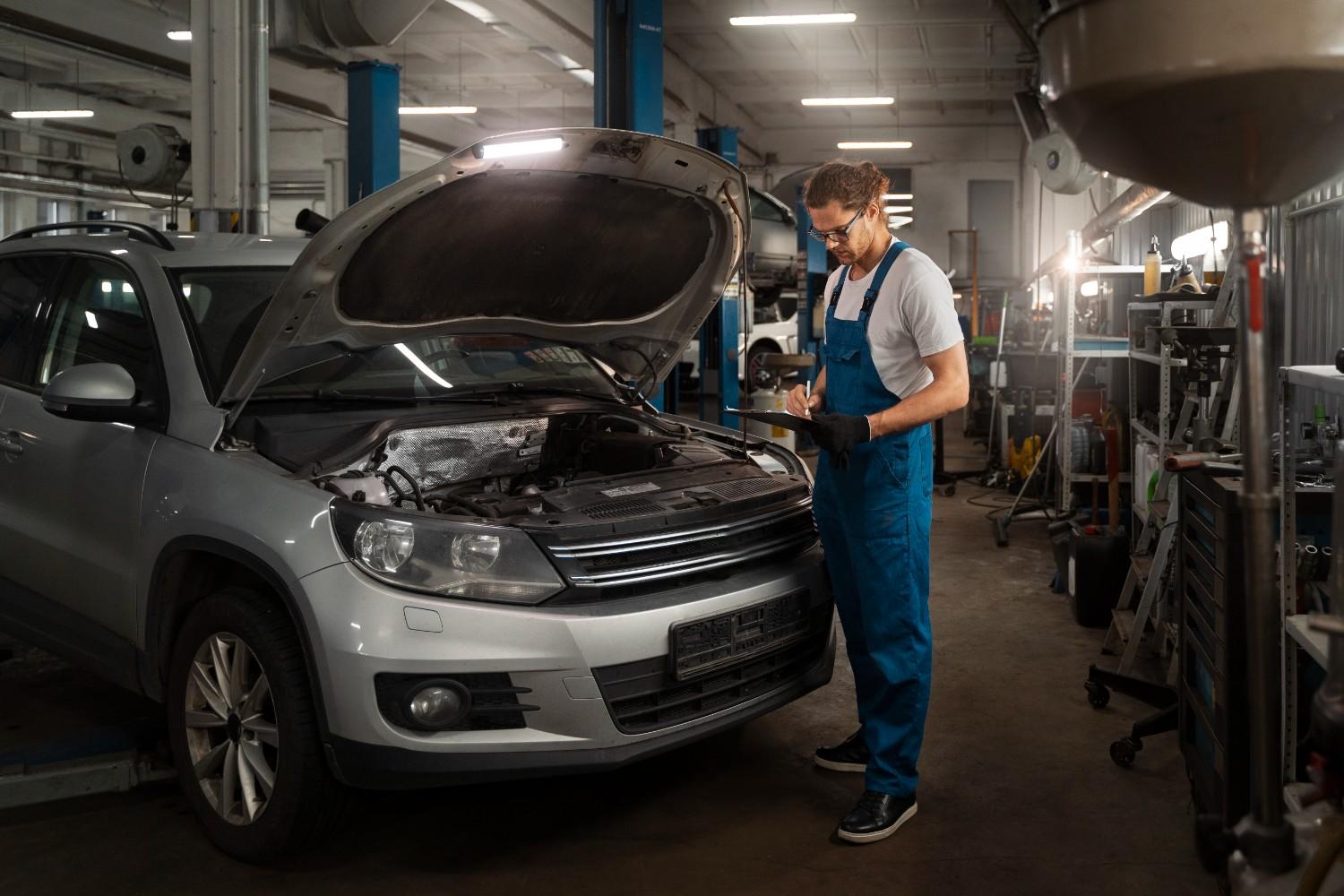
Examine components for corrosion, dents, cracks, fluid leaks, and missing hardware. For electrical modules, look for water damage or burnt connectors. When possible, test mechanical parts—rotate bearings, inspect seals, and check gear engagement.
Compatibility and part numbers
Confirm compatibility by matching part numbers, VIN-linked specifications, or interchange references. Vehicle age, model variations, and factory options can affect fitment.
Documentation, titles, and official records
Understanding title status is important when buying entire vehicles. Salvage, rebuilt, or branded titles have legal and insurance implications that vary by state and country. To verify history and title branding, consult official resources such as the National Motor Vehicle Title Information System (NMVTIS) for U.S. title information and histories. National Motor Vehicle Title Information System (NMVTIS)
Receipts, return policies, and warranties
Ask about the yard's return policy and any limited warranties. Some yards sell parts as-is, while others offer short warranty periods on major components. Keep written receipts that list part numbers and condition notes.
Environmental and regulatory considerations
Hazardous materials and recycling
Salvage operations handle batteries, fluids, refrigerants, and airbags—items regulated for safe disposal. Many yards follow environmental guidelines to drain fluids and recycle components. Local environmental protection agencies provide disposal rules and recycling programs.
Legal requirements
Title transfers, emissions requirements, and registration rules differ by jurisdiction. Consult local motor vehicle agencies for procedures when registering a salvaged or rebuilt vehicle.
Tips for maximizing success at salvage yards
Build relationships and return frequently
Regular visits and polite interactions with yard staff can reveal incoming inventory and hold items for later pickup. Establish whether the yard offers pull-and-hold services or installation help.
Compare prices and factor in refurbishment
Consider the cost of cleaning, repairing, or replacing worn components when calculating savings versus new parts. For mechanical items, labor cost for fitment and testing should be included in any purchase decision.
Use online tools and communities
Forums, parts databases, and social groups focused on vehicle makes and model years can provide compatibility charts and part number cross-references. These resources complement in-person inspection.
Common pitfalls
Avoid assuming cosmetic condition indicates mechanical soundness. Confirm mounting hardware, brackets, and electronic connectors are present. Beware of undocumented title branding or salvage status when buying whole vehicles.
When to consult professionals
For complex electrical systems, safety equipment (airbags), or structural repairs, consider professional assessment before committing to a purchase. Certified mechanics and restoration experts can provide condition appraisals and repair estimates.
Frequently asked questions
What should be known before visiting salvage yards?
Know the VIN or part numbers, bring tools and identification, and understand local title and registration rules. Check yard hours and any entry policies ahead of time.
Are parts from salvage yards reliable for repairs?
Many parts are reliable when properly inspected and verified for compatibility. Critical safety components and heavily worn items may require professional evaluation or refurbishment.
How can the title history of a salvage vehicle be checked?
Use official title information systems and state motor vehicle agencies to confirm branding and history. In the U.S., the NMVTIS provides a centralized resource for title and salvage records.
Do salvage yards recycle hazardous materials?
Reputable operations follow environmental regulations for fluids, batteries, and refrigerants and often work with certified recycling programs. Local environmental authorities set specific disposal requirements.