Schedule 40 Pipe Sizes & Price Guide — Dimensions, Wall Thickness, and Costs
-

- Published Updated
- 1,697 views
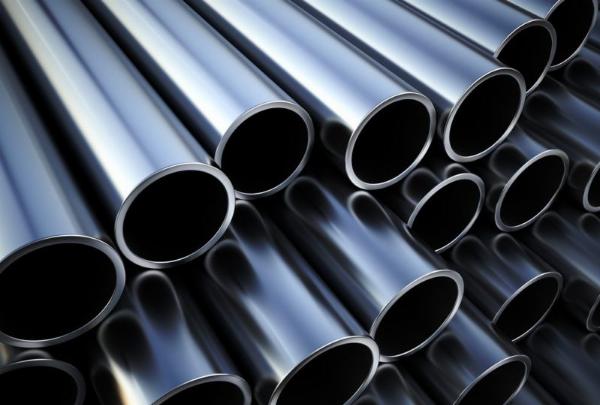
Schedule 40 pipe dimensions are a set of standardized measurements used to describe nominal pipe sizes, outside diameters (OD), and wall thickness for common pipe materials such as PVC, CPVC, and steel. Understanding these dimensions and typical price ranges helps with material selection, project planning, and comparing supplier quotes.
- Schedule 40 defines wall thicknesses for a given nominal pipe size; OD is consistent across schedules for a given nominal size.
- Common materials include PVC, CPVC, and steel; standards include ASTM, ASME, and ANSI publications.
- Typical prices vary by material, diameter, finish, and market conditions; check supplier quotes and standards for exact specs.
Schedule 40 pipe dimensions
What "schedule" means and how sizes are named
"Schedule" is a number that relates to wall thickness for a nominal pipe size. Nominal Pipe Size (NPS) describes the approximate inside diameter for smaller pipes and is a sizing system rather than a precise measurement. The outside diameter (OD) for a given NPS is standard, so changing the schedule changes wall thickness and therefore the internal capacity and pressure rating, while OD remains the same.
Typical standards and references
Dimensions and tolerances are published by standards organizations such as ASME (for steel pipe dimensions, e.g., ASME B36.10M), ASTM (for thermoplastic pipes, e.g., ASTM D1785), and ANSI. For potable-water use and certification, organizations like NSF/ANSI may also be relevant.
Common dimensions (typical values)
Below are representative outside diameters and wall thicknesses for Schedule 40 pipe. Values can vary slightly by material and standard; consult the applicable standard for design or fabrication.
| NPS (Nominal) | Outside Diameter (in) | Schedule 40 Wall Thickness (in) — typical |
|---|---|---|
| 1/2" | 0.840 | 0.109 |
| 3/4" | 1.050 | 0.113 |
| 1" | 1.315 | 0.133 |
| 1-1/4" | 1.660 | 0.140 |
| 1-1/2" | 1.900 | 0.145 |
| 2" | 2.375 | 0.154 |
| 3" | 3.500 | 0.216 |
| 4" | 4.500 | 0.237 |
| 6" | 6.625 | 0.280 |
| 8" | 8.625 | 0.322 |
Note: The table shows common, representative values that apply to many metal and plastic Schedule 40 products. For exact wall thicknesses and tolerances, consult the applicable ASTM, ASME, or manufacturer specification.
Schedule 40 pipe price list
Price ranges by material and diameter (approximate)
Prices vary by region, supplier, finish (e.g., galvanized, black, coated), length, and market conditions. The ranges below are approximate retail/wholesale ranges for single-piece purchases and should be treated as illustrative rather than definitive.
- PVC Schedule 40: typical retail ranges might be about $0.50–$2.00 per foot for 1/2" up to $10–$25 per foot for larger diameters (4" and up), depending on length and fittings.
- CPVC Schedule 40: generally higher than PVC; small diameters can range from about $1–$4 per foot and larger sizes scale up accordingly.
- Steel (Schedule 40, black or galvanized): commonly ranges from roughly $2–$6 per foot for small diameters (1/2" to 3/4"), $3–$10 for 1", and substantially more for larger diameters (e.g., $8–$60+ per foot for 2" to 8" depending on type and coating).
- Stainless steel and specialty alloys: significantly higher cost, often quoted per piece or per ton rather than per foot for common projects.
Factors that affect price
- Material type (PVC, CPVC, steel, stainless, copper)
- Diameter and wall thickness (schedule)
- Length and quantity purchased (bulk discounts may apply)
- Finish or coating (galvanized, black painted, lined)
- Certifications or testing requirements (e.g., NSF listing for potable water)
- Market conditions (steel commodity pricing, resin costs for plastics)
Buying tips
Compare supplier quotes that include material, length, and any required testing or documentation. Verify that the product references the relevant standards (for example, ASME or ASTM designations) and ask for mill/test certifications when required for regulated projects.
Standards, pressure ratings, and safety considerations
Standards and certifications
Refer to standards published by organizations such as ASTM and ASME for dimensional tolerances and material requirements. For potable water applications, look for NSF/ANSI certifications and local regulatory approvals. Pressure rating tables and temperature deratings are provided in standards and manufacturer literature; consult those sources for design calculations.
Design and installation notes
Do not assume interchangeability across materials: fittings and joining methods differ (solvent cement for PVC/CPVC, welding or threaded connections for steel). When in doubt, consult the product standard or a qualified engineer for system design and pressure calculations.
Frequently asked questions
What are standard Schedule 40 pipe dimensions for PVC and steel?
Standard Schedule 40 pipe dimensions list consistent outside diameters by NPS and provide wall thickness values specific to the schedule. Typical OD and wall thickness values for common sizes are shown in the table above. Exact dimensions are published in standards such as ASME B36.10M for steel and ASTM D1785 for PVC.
How does Schedule 40 differ from Schedule 80?
Schedule 80 has a thicker wall than Schedule 40 for the same nominal pipe size, which increases pressure capacity and reduces internal diameter. Outside diameters remain the same for both schedules at a given nominal size.
Are Schedule 40 pipes rated for potable water?
Many Schedule 40 PVC and CPVC products are suitable for potable water when they carry the appropriate NSF/ANSI certification. Confirm certification on the product label or technical data sheet and check local plumbing codes for allowed materials.
How should suppliers be compared for price?
Compare total cost including freight, coatings, certifications, and any required testing. Consider lead time and warranty or return policies. For large projects, request itemized quotes and ask for material test reports where applicable.
Can dimensions vary between manufacturers?
Manufacturers typically follow the same dimensional standards, but tolerances and finishes can vary. Always verify that the product references the appropriate standard and request dimensional drawings or certificates if precision is required.
For exact engineering values and pressure tables, consult the relevant standards (ASME, ASTM) or manufacturer technical data sheets before specifying or installing pipe in any critical system.