Sculptra Fillers in Abu Dhabi: A Practical Guide to Collagen-Boosting Treatments
-
- February 23rd, 2026
- 1,528 views
Sculptra fillers in Abu Dhabi are a type of injectable treatment based on poly-L-lactic acid (PLLA) designed to restore facial volume by stimulating the skin’s own collagen production. Interest in collagen biostimulators has grown because they produce gradual, natural-looking results that can last many months. This article explains what Sculptra is, how treatments typically proceed, safety and regulation considerations, and what to expect in Abu Dhabi.
- Sculptra is a PLLA-based injectable that encourages collagen formation rather than simply filling space.
- Treatment usually involves a series of sessions spaced several weeks apart; visible results develop gradually over months.
- Common short-term effects include swelling and bruising; rare issues include nodules that may require specialist attention.
- Selecting a licensed practitioner and following local health regulator guidance is important for safety.
Sculptra fillers in Abu Dhabi: how they work and typical treatment plans
Sculptra contains poly-L-lactic acid particles that work as a collagen biostimulator. Instead of providing immediate volume like hyaluronic acid fillers, PLLA promotes the skin’s repair process so collagen builds up over weeks to months. In many cases, a recommended course involves two to three treatment sessions spaced about four to six weeks apart. Final improvement becomes more noticeable after several months and may persist for 12–24 months depending on individual factors and maintenance.
Who is a typical candidate?
Suitable candidates usually have facial volume loss, early-to-moderate skin laxity, or want a gradual, natural improvement rather than a dramatic immediate change. Candidates should be adults in generally good health and have realistic expectations about the timeline and outcomes. A consultation with a licensed aesthetic physician or dermatologist can determine whether Sculptra, hyaluronic acid fillers, fat transfer, or other options are more appropriate.
Procedure, aftercare, and expected timeline
Before treatment
A clinical assessment includes medical history, medication review, and a facial analysis. The practitioner discusses goals, risks, expected number of vials, and follow-up plans.
During treatment
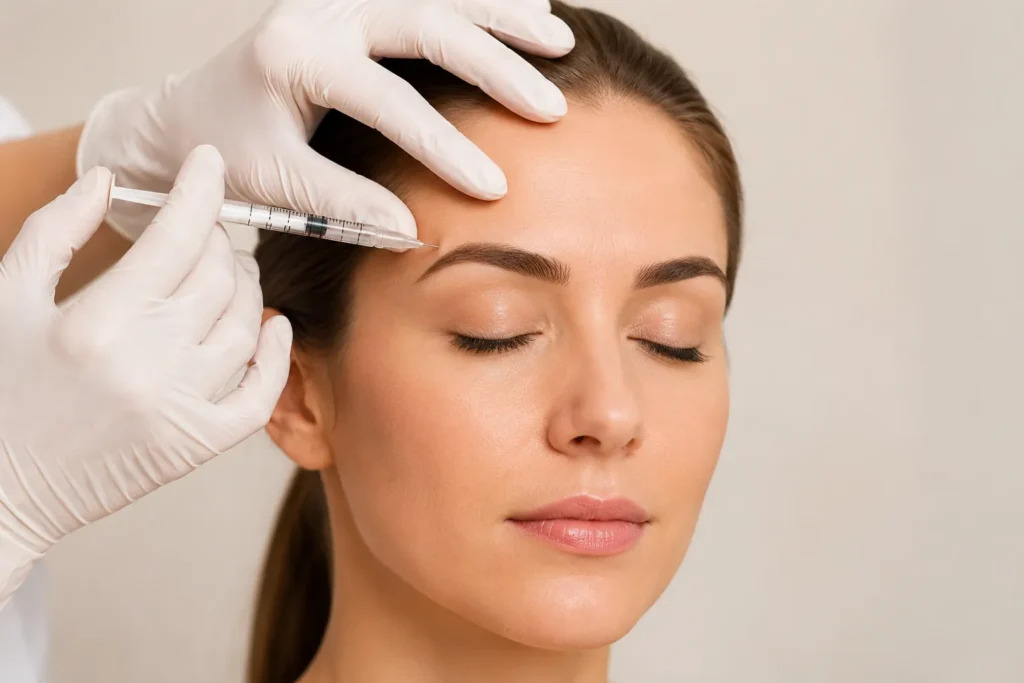
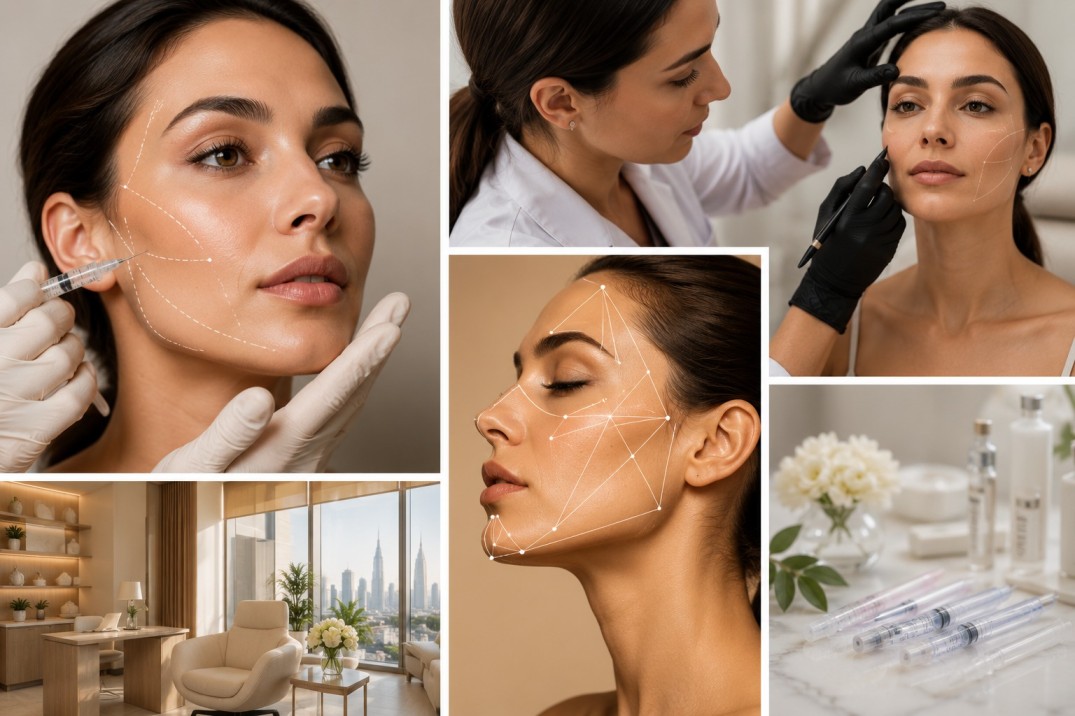
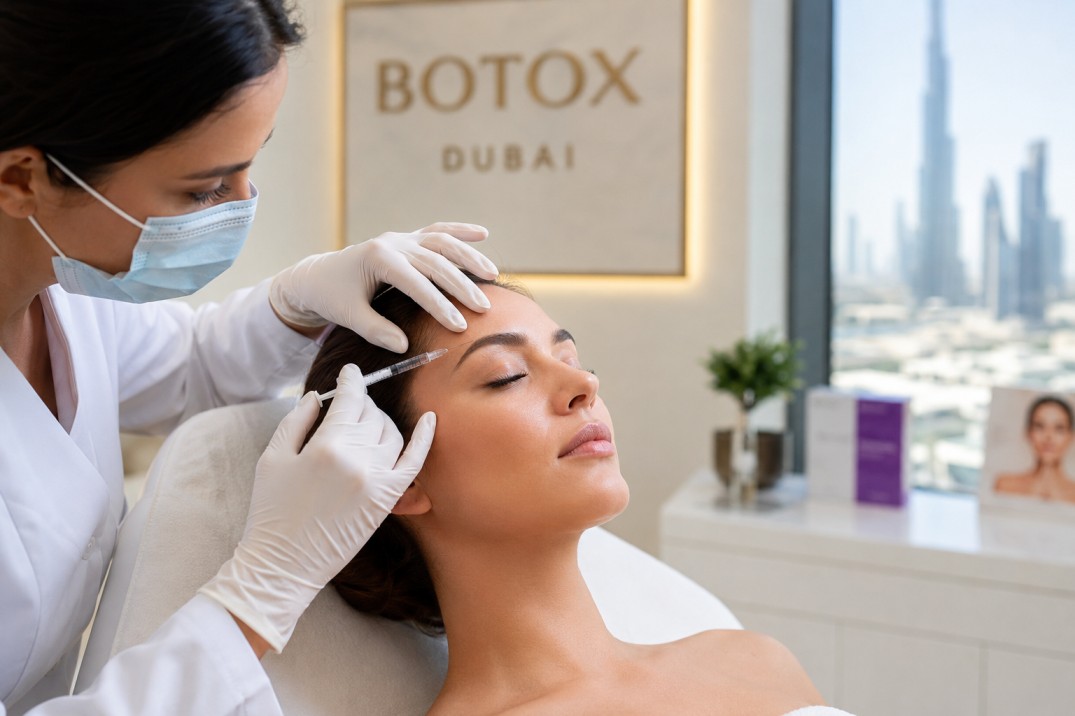
Injections are placed in the deep dermis or subdermal plane. Procedures are usually done under topical or local anesthesia. Patients commonly receive several small injections per side to achieve an even distribution of PLLA particles.
Aftercare
Typical aftercare recommendations include avoiding strenuous exercise, excessive heat, or alcohol for a short period and following any massage instructions from the practitioner. Mild swelling and bruising are common; more concerning signs—persistent lumps, increasing pain, or redness—should be evaluated by the treating clinician. Follow-up appointments help assess progress and determine if additional sessions are needed.
Safety, regulation and choosing a clinic in Abu Dhabi
Safety depends on product quality, correct handling, and the skill of the injector. Local health regulators and professional medical boards set licensing and facility standards; in Abu Dhabi, patients are advised to confirm clinic accreditation and practitioner credentials with the relevant health authority. For official guidance on licensed facilities and practitioner registration, consult the Department of Health – Abu Dhabi website: Department of Health – Abu Dhabi. Additional safety information and regulatory perspectives may be available from national health agencies and international professional societies.
Potential side effects and uncommon complications
Short-term side effects are usually mild and include swelling, bruising, redness, tenderness and temporary asymmetry. Less common complications reported in literature include nodule or granuloma formation, which may require specialist assessment and targeted management. Rare vascular complications are associated with many injectable procedures; use of correct technique and anatomical knowledge reduces risk. Clinical trials and peer-reviewed studies on PLLA describe its collagen-stimulating properties and safety profile, but outcomes vary by patient and provider technique.
Cost factors and alternatives
Cost in Abu Dhabi varies by number of vials required, practitioner experience, clinic location and included follow-up. Alternatives include hyaluronic acid dermal fillers (for immediate volumizing), fat grafting (surgical option using the patient’s own tissue), and thread lifts (mechanical support). Each approach has different recovery times, longevity and risk profiles; a consultation can clarify relative benefits.
Questions to ask during consultation
- Is the practitioner licensed and experienced specifically with PLLA products?
- How many vials are typically recommended for the described concern and what is the total estimated cost?
- What are the documented side effects and how are complications managed in this clinic?
- Are before-and-after photos and patient references available for similar treatments?
This information is educational and not a substitute for a professional medical consultation. Individuals should seek personalized assessment from qualified healthcare providers before undergoing any cosmetic procedure.
Further reading and professional sources
Peer-reviewed dermatology and aesthetic surgery journals discuss PLLA mechanisms and outcomes. Regulatory guidance from local health authorities and international bodies such as national plastic surgery societies offer safety recommendations for injectable procedures.
Frequently asked questions
Are Sculptra fillers in Abu Dhabi safe?
When administered by a licensed, experienced practitioner in an accredited facility, PLLA injections have an established safety record; however, all injectable treatments carry risks. Confirm practitioner credentials and facility accreditation with the local health regulator and discuss specific risk factors during consultation.
How long does it take to see results?
Results appear gradually over weeks to months as collagen forms. Many people notice improvement after the first few months, with optimal results often evident around six months after a full series of sessions.
How many treatment sessions are typically needed?
Common practice is two to three sessions spaced about four to six weeks apart. The number of vials and sessions required depends on the degree of volume loss and individual response.
What are common side effects?
Common short-term effects include swelling, bruising, redness and tenderness. Rarely, small nodules or lumps can form and may require specialist management.
How should a patient choose a practitioner in Abu Dhabi?
Verify clinical accreditation, practitioner licensing, documented experience with PLLA treatments, and clear aftercare and complication-management protocols. Review before-and-after images and ask for a detailed treatment plan during consultation.